
Scampi Sauce Recipe: Simple Garlic-Butter Sauce for Perfect Shrimp
I love cooking seafood and scampi sauce is one of my go-to ways to lift a simple meal. This buttery, garlicky sauce with a splash of white wine brightens shrimp, lobster, and pasta. I’ll share a clear, step-by-step approach so you can make the sauce at home and get consistent, tasty results.
I’ll also cover the key ingredients, the basic tools I use, and easy tips that save time and improve flavor. Expect a quick recipe sequence for marinating, sautéing, and finishing the sauce, plus simple serving ideas that pair well with scampi.
Key Takeaways
- The sauce blends butter, garlic, lemon, and wine for a bright, savory finish.
- A few basic tools and clear steps make the recipe fast and reliable.
- Serve with pasta, bread, or mixed seafood for an easy, flavorful meal.
Ingredients Of Scampi Sauce With Wine
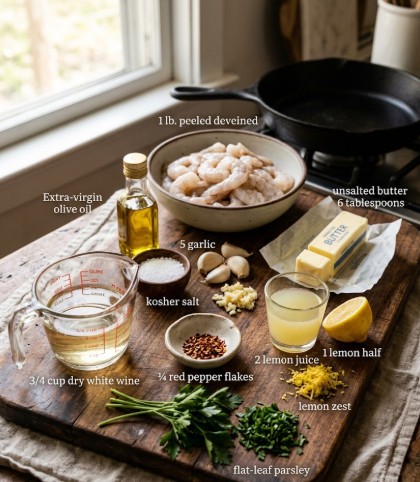
Fresh shrimp — 1 lb
I use one pound of raw shrimp, peeled and deveined. They cook fast and give a mild, sweet taste that pairs well with garlic and lemon.
Extra-virgin olive oil — 3 Tbsp
I start with three tablespoons of olive oil to build flavor and help brown the shrimp lightly before adding butter and wine.
Kosher salt — 1 tsp
I add one teaspoon of kosher salt to season the sauce and bring out the natural flavors without overpowering the seafood.
Garlic — 5 cloves
I mince five garlic cloves for a strong, aromatic base. Garlic warms the sauce and complements the butter and wine.
Dry white wine — 3/4 cup
I pour three-quarters of a cup of dry white wine to deglaze the pan and give the sauce a bright, slightly acidic note.
Unsalted butter — 6 Tbsp
I stir in six tablespoons of unsalted butter to create a smooth, rich sauce that coats the shrimp and pasta evenly.
Crushed red pepper — 1/4 tsp
I add a quarter teaspoon of crushed red pepper for a gentle heat that lifts the other flavors without making the dish spicy.
Fresh lemon juice — 2 Tbsp
I squeeze two tablespoons of lemon juice for a clean, citrus tang that balances the butter and wine.
Lemon zest — 1 tsp
I grate one teaspoon of lemon zest to add concentrated citrus aroma and a fresh pop to the finished sauce.
Chopped parsley — 2 Tbsp
I finish with two tablespoons of chopped parsley for color and a mild, herbaceous note that brightens each bite.
Essential Kitchen Tools for Scampi Sauce
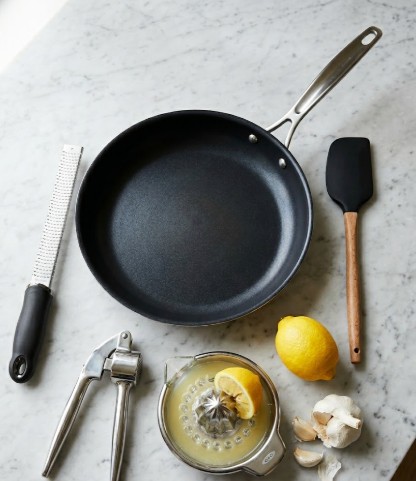
I keep a Microplane for zest, a garlic press for quick minced garlic, and a good nonstick skillet to sauté shrimp. I use a silicone spatula to stir without damage and a citrus juicer to squeeze fresh lemon juice. These make sauce prep faster.
How To Make Scampi sauce?
Step 1: Season and rest the shrimp
I toss the shrimp with 1 tsp kosher salt, 1 tbsp olive oil, and one grated garlic clove.
I mix well so the flavors coat the shrimp and set them aside to rest while I prep the other ingredients.
Step 2: Prepare garlic, herbs, and lemon
I finely mince the remaining garlic with a sharp knife.
I chop the parsley into coarse pieces.
I zest the lemon, then squeeze out the juice and keep both for later.
I lay out the measured butter, wine, and red pepper flakes so everything is ready.
Step 3: Cook the shrimp briefly
I warm the pan over medium-low and add the remaining olive oil.
When the oil shimmers, I add all the shrimp at once.
I cook them until the first side just turns pink, flip, and finish until the other side turns pink.
I move the shrimp to a plate to rest while I make the sauce.
Step 4: Build the scampi sauce
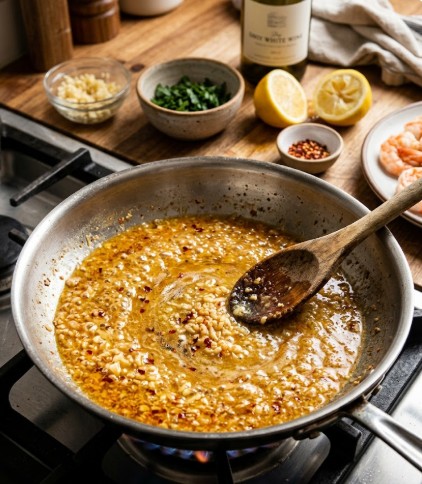
In the same pan, I add the minced garlic and cook, stirring, for about 2 minutes until fragrant.
I pour in white wine and scrape the pan to lift any browned bits.
I add a pinch of salt, crushed red pepper flakes, and the butter, stirring until the butter melts and the sauce comes together.
Step 5: Combine and serve immediately
I return the shrimp to the pan and warm them for about 1 minute.
I remove the pan from heat, then stir in lemon zest, lemon juice, and chopped parsley.
I transfer the shrimp and sauce to a platter and serve right away with pasta, bread, or rice.
Tips for making scampi sauce
I cook the shrimp first and pull it from the pan before finishing the sauce. Shrimp cooks very fast and will turn rubbery if left too long, so I remove it early and finish the sauce with the pan juices.
I season shrimp right after peeling and patting dry. I sprinkle grated garlic and salt onto the shrimp and let them sit 5–10 minutes so the flavors sink in. If I’m rushed I still let them rest briefly — it makes a noticeable difference.
I watch shrimp size to judge cook time. Big shrimp need a little more time than small ones, so I check for firm, opaque flesh rather than relying on a timer.
I add crushed red pepper to taste. Small amounts give just a hint of heat; increase it if you want more spice.
I shut off the heat before stirring in lemon juice and chopped parsley. This keeps the parsley bright and prevents the lemon from turning bitter from cooking.
I use a little white wine or broth to deglaze the pan and lift browned bits for extra flavor. Then I swirl in butter off the heat so the sauce stays silky.
If I want a nonseafood option, I swap in thin-sliced chicken breast and follow the same steps for a chicken scampi-style dish.
What To Serve With Shrimp Scampi?
Ingredients I Use
- 1 lb raw shrimp, peeled and deveined
- 3 tbsp olive oil (divided)
- 1 tsp kosher salt (plus a pinch)
- 5 garlic cloves — 1 grated, 4 minced
- 1/3 cup dry white wine
- 6 tbsp unsalted butter
- 1/4 tsp red pepper flakes (or to taste)
- 2 tbsp fresh lemon juice
- 1 tsp lemon zest
- 2 tbsp chopped fresh parsley
I also keep ready simple sides that soak up the sauce:
- Pasta (angel hair or spaghetti), rice, spaghetti squash, or zucchini noodles
- Garlic breadsticks or crusty bread
- Roasted broccoli with Parmesan
- Caesar or mixed green salad
- Creamy mashed potatoes
How I Cook and Serve It
- Toss shrimp with 1 tsp salt, 1 tbsp olive oil, and the grated garlic. Let sit briefly.
- Heat remaining olive oil in a wide skillet over medium-low heat until shimmering. Add shrimp in a single layer and cook until pink on the first side, then flip and finish. Transfer shrimp to a plate.
- In the same pan, cook the minced garlic about 2 minutes until soft and fragrant. Pour in white wine and stir to deglaze the pan.
- Add red pepper flakes and a small pinch of salt. Stir in butter until melted and combined.
- Return shrimp to the sauce for about 1 minute to reheat. Remove from heat and stir in lemon zest, lemon juice, and parsley.
- Plate shrimp scampi over your chosen base (pasta, rice, squash, or zoodles). Serve immediately with bread or a vegetable side to balance the richness.
Tips I follow:
- Use a wide pan so shrimp cook quickly and evenly.
- Reserve bread for mopping up the sauce.
- Choose a light salad or roasted vegetable to cut the butteriness.
Nutrition Per Serving (Approximate)
- Calories: 286 kcal
- Fat: 28 g
- Saturated fat: 12 g
- Monounsaturated fat: 12 g
- Polyunsaturated fat: 2 g
- Trans fat: 1 g
- Protein: 0.4 g*
- Carbohydrates: 2 g
- Sodium: 587 mg
- Potassium: 52 mg
- Cholesterol: 45 mg
*Protein value in the background data seems incorrect for shrimp; expect shrimp to add substantial protein when served with pasta or rice.
Final Words
I love how a simple scampi sauce lifts a meal. It adds bright lemon, garlic, and buttery richness that pairs with shrimp, pasta, or bread. I keep recipes flexible so I can tweak herbs, spice level, or wine to match the dish. Try small changes each time—fresh parsley, extra lemon, or a splash of white wine—and note what you like. Practice a few times and the sauce will become a go-to for quick, flavorful dinners.
FAQs
- What makes my scampi sauce taste bright and balanced?
I use fresh lemon juice and a splash of white wine or stock to add acidity. Garlic and a pinch of salt boost savory flavor, while butter or olive oil gives a smooth mouthfeel. Taste as you go and adjust acid, salt, or fat until flavors feel even. - Is scampi sauce safe to store and how long will it keep?
I cool leftover sauce quickly, store it in an airtight container, and refrigerate. It stays good for 3–4 days. For longer storage, I freeze portions for up to 2 months and thaw in the fridge before use. - How well does scampi sauce work on foods other than shrimp?
I find the sauce pairs well with scallops, white fish, lobster, chicken, and pasta. The garlic-lemon profile complements mild proteins and starches, so it adapts easily to different dishes. - Are there any food safety steps I should follow when making scampi sauce with seafood?
I keep raw seafood cold until cooking and avoid cross-contamination by using separate utensils and cutting boards. I cook seafood until opaque and firm, then add it to the sauce off heat if needed. If I use wine, I simmer it to cook off alcohol. - How do I keep the sauce from separating or getting greasy?
I cook gently over medium heat and add butter or oil at the right time. Emulsifying by whisking in small pieces of cold butter off the heat helps the sauce hold together. Adding a bit of starchy pasta water can also bind the sauce. - What simple swaps work if I don’t have white wine or butter?
I substitute low-sodium chicken or vegetable stock for wine and extra-virgin olive oil for butter. A splash of white wine vinegar with a little stock can mimic wine’s acidity if needed. - How does scampi sauce compare to cream-based seafood sauces?
I find scampi sauce is lighter and more acidic than cream sauces. It highlights seafood flavor instead of masking it. Cream sauces give richness and body, while scampi offers brightness and a quicker cook time.
Final Thoughts
I recommend making scampi sauce at home because it delivers fresh flavor, simple ingredients, and fast results. A basic mix of garlic, butter, lemon, and a splash of white wine or broth creates a bright, savory sauce that pairs well with shrimp, pasta, or fish. I find that small adjustments — more lemon for brightness, crushed red pepper for heat, or fresh herbs for aroma — let you tailor the sauce to any meal.
This sauce is safe and eco-friendly when you pick quality, sustainably sourced seafood and use minimal processed ingredients. It cooks quickly at moderate heat, so it keeps healthy fats intact and avoids overcooking proteins. For reliable, repeatable results, I suggest measuring basic ratios at first (about 4 tablespoons butter, 3–4 cloves garlic, 2 tablespoons lemon juice, and 1/4 cup wine or broth for two servings) and then adapting to taste.
Choose good ingredients and a steady, gentle technique for long-term success in your kitchen. I encourage you to try a batch tonight — it’s fast, versatile, and worth making again.
