
Ricotta Cheese Recipes for Quick, Flavorful Meals and Desserts
I use ricotta because it brings a smooth, creamy texture that lifts both sweet and savory dishes. Its mild flavor mixes well with herbs, fruits, and vegetables, so a small amount often makes a dish feel richer and more balanced without overpowering other ingredients.
I often add ricotta to pastas, baked goods, and simple appetizers to give them extra body and silkiness. These ideas show how a single ingredient can change the feel of everyday meals and make cooking more flexible and satisfying.
Key Takeaways
- Ricotta adds creaminess and balance to a wide range of dishes.
- A small amount of ricotta can enrich pastas, bakes, and starters.
- Ricotta blends easily with sweet and savory flavors.
1. Baked Ricotta with Honey and Herbs
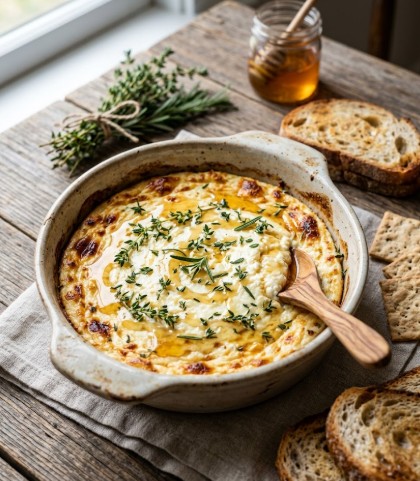
I combine ricotta with chopped thyme, rosemary, and a splash of olive oil, then bake until warm and lightly golden. I finish it with a drizzle of honey for sweet balance. Serve with toasted bread or crackers for an easy, creamy appetizer.
2. Spinach and Ricotta Stuffed Shells
I stuff jumbo pasta shells with a creamy ricotta and cooked spinach mix, then arrange them over a layer of marinara. I sprinkle mozzarella on top and bake until cheese melts and sauce bubbles. I serve them hot with torn basil and a dusting of grated Parmesan.
3. Lemon Ricotta Pancakes
I fold ricotta into the batter for extra moisture and a tender crumb. I add lemon zest and a splash of juice to lift the flavor. I cook them on a hot griddle until edges brown and serve with maple syrup, powdered sugar, or fresh berries.
4. Ricotta and Tomato Crostini
I toast baguette slices until they are crisp, then spread a thick layer of ricotta on each. I top with halved cherry tomatoes, drizzle balsamic glaze, and finish with torn basil and cracked black pepper.
- Bread: toasted until crunchy
- Cheese: creamy ricotta, generous spread
- Topping: cherry tomatoes, basil, balsamic, pepper
5. Ricotta and Spinach Frittata
I whisk eggs with ricotta and grated Parmesan, fold in sautéed spinach, then cook the mixture in a skillet until mostly set. I finish it under the broiler for a light golden top. I slice it into wedges and serve warm or at room temperature.
6. Ricotta-Stuffed Chicken Breast
I butterfly chicken breasts, fill them with ricotta mixed with garlic and herbs, then sear until browned.
I finish them in the oven until cooked through and juicy.
- Serve with roasted vegetables or a simple salad.
- The ricotta keeps the meat moist and adds mild creaminess.
7. Creamy Ricotta Pasta
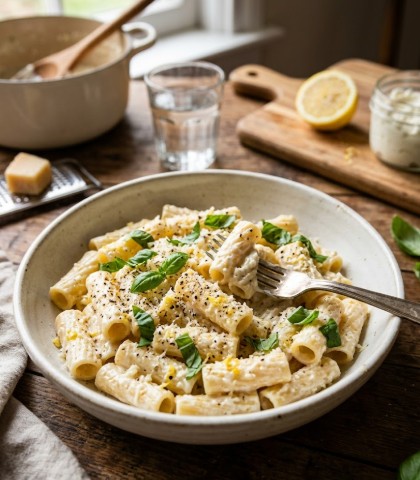
I cook pasta until it’s al dente, then fold in ricotta and grated Parmesan for a silky sauce. I stir in minced garlic, lemon zest, and a splash of pasta water to loosen the mixture. I finish with cracked black pepper and torn basil before serving.
8. Ricotta and Mushroom Toast
I sauté mushrooms with garlic and butter until they turn golden and smell rich.
I spread creamy ricotta on toasted sourdough, pile the mushrooms on top, and scatter fresh thyme and sea salt.
I finish with a light olive oil drizzle and serve the toast warm.
9. Ricotta and Berry Parfait
I layer creamy ricotta with fresh berries and a handful of crunchy granola.
I finish with a light drizzle of honey to add sweetness and bind flavors.
I serve chilled for a simple breakfast or a refreshing, low-effort dessert.
10. Ricotta and Herb Dip
I whip ricotta with minced garlic, lemon juice, and chopped fresh herbs until silky. I season with salt and pepper to taste.
- Serve with sliced veggies, pita chips, or crusty bread.
- Works well with both crunchy and soft dippers.
11. Ricotta and Asparagus Tart
I bake puff pastry until it’s golden and puffy, then spread a creamy ricotta-Parmesan mix and top with roasted asparagus. I slice the tart into squares for easy serving. It works well as a warm appetizer or a simple side with fresh herbs and a drizzle of olive oil.
12. Ricotta-Stuffed Peppers
I stuff halved bell peppers with herbed ricotta and a touch of Parmesan, then bake until the peppers soften and the top browns.
Serve with chopped parsley and a lemon squeeze for brightness.
- Texture: creamy center, tender pepper
- Tip: use fresh herbs for best flavor
13. Ricotta and Zucchini Fritters
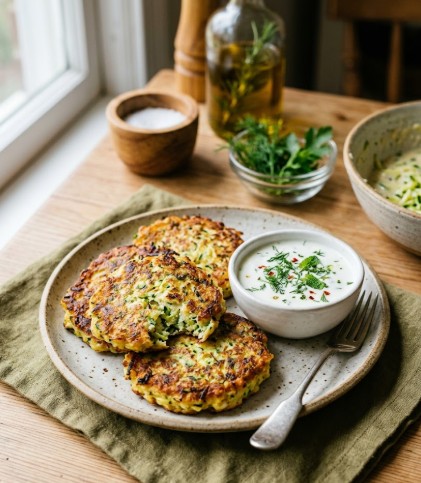
I mix grated zucchini with ricotta, eggs, and breadcrumbs, then pan-fry small patties until they’re golden and crisp.
The ricotta keeps them light and creamy inside.
I like to serve them with a lemony yogurt sauce or a sprinkle of fresh herbs for brightness.
Final Thoughts
I find ricotta a simple way to lift dishes with creaminess and mild flavor.
I use it in both sweet and savory recipes and like to tweak seasonings or add herbs.
Try small changes—texture and taste improve easily, and new favorites often follow.
FAQs
Q1: How do I use ricotta in different meals?
I use ricotta in breakfasts, mains, and desserts. It works well on toast with fruit, folded into pasta for creamy sauces, stuffed into baked vegetables, or mixed with sugar and lemon for simple desserts.
Q2: Is ricotta safe for people with lactose issues?
Ricotta has less lactose than some fresh milks, but it still contains lactose. I recommend small servings to test tolerance, or choosing lactose-free ricotta or plant-based ricotta if you are sensitive.
Q3: How long does ricotta last once opened?
I follow a 5–7 day rule after opening when stored in the fridge at 40°F (4°C) or below. If it smells sour, looks discolored, or has visible mold, I throw it out.
Q4: Which is better for recipes: whole-milk or part-skim ricotta?
I pick whole-milk ricotta for richer texture in desserts and creamy sauces. I use part-skim when I want fewer calories but still need that mild ricotta flavor.
Q5: Can I make ricotta at home and is it worth it?
Yes. I make ricotta from milk and an acid like lemon juice or vinegar. Homemade ricotta is fresh and cost-effective if I have the time, but store-bought tubs save time and are consistent.
Q6: How do I keep ricotta from making dishes watery?
I drain ricotta in a fine sieve or cheesecloth for 15–30 minutes to remove excess liquid. I also avoid over-mixing and add it near the end of cooking to preserve texture.
Q7: How does ricotta compare to other cheeses for cooking?
Compared with cream cheese, ricotta is lighter and more granular; it gives creaminess without heaviness. Compared with mascarpone, ricotta is less fatty and has a milder tang, so I choose based on desired richness.
Q8: What basic maintenance tips help ricotta recipes turn out well?
I use fresh ricotta, taste as I go, drain when needed, and balance flavors with salt, acid (like lemon), or herbs. I store leftovers tightly sealed and use within a week.
Conclusion
I’ve shown how ricotta brings creamy texture and mild flavor to a wide range of dishes, from simple breakfasts to elegant desserts. It works well in sweet and savory recipes, pairs with many ingredients, and helps you stretch a small tub into several meals.
- Effectiveness: Ricotta adds richness and body without overpowering other flavors, making recipes more satisfying.
- Safety: Store ricotta chilled and use by the package date. Freshness matters for both taste and food safety.
- Eco-friendliness: Using leftover ricotta in multiple recipes reduces food waste and gets more value from each purchase.
- Suitability: Ricotta fits diets that allow dairy, and lighter versions offer lower fat options while keeping creaminess.
Choose reliable brands or make fresh ricotta at home for consistent results and longer use. I recommend planning a few recipes ahead so you use the whole tub and enjoy ricotta’s versatility. Try one new ricotta dish this week and see how it improves your meals.
