
Chicken Seasoning Essentials: Expert Tips for Flavorful, Foolproof Poultry
I grew tired of bland chicken and wanted a simple spice mix that works for any cooking method. I tested a blend of sweet, savory, and mildly spicy seasonings until I found a mix that makes chicken juicy and flavorful whether I bake, grill, roast, or air-fry it.
I also focused on easy prep and storage: basic measuring tools, a bowl to mix, and airtight jars keep the blend fresh. Below are the main points to remember about making and using a homemade chicken seasoning.
Key Takeaways
- A balanced spice mix lifts the flavor of any chicken recipe.
- Simple tools and airtight storage keep the seasoning easy to use and fresh.
- The blend works well across baking, grilling, roasting, and air-frying.
What I Mean by Chicken Seasoning
I use chicken seasoning as a ready mix of herbs and spices to boost plain chicken.
Typical blends include salt, black pepper, garlic and onion powders, paprika, and dried herbs like thyme or rosemary.
- Purpose: I add depth, aroma, and balance to chicken’s mild flavor.
- Uses: I apply it for grilling, baking, roasting, or frying.
- Extras: I also use it on vegetables, other meats, and in soups or stews.
I value chicken seasoning because it speeds prep and helps season evenly.
You can tweak the ratios to make blends hotter, smokier, or more herbal depending on the dish.
Essential Ingredients In Chicken Seasoning
I. Brown Sugar — 2 tbsp
I add brown sugar to bring mild sweetness and help the chicken brown.
- It balances savory spices and gives a slight caramel note.
- Use packed brown sugar for a richer flavor.
II. Paprika — 1 tbsp
I use paprika for color and a gentle smoky taste.
- It adds a warm red hue and mild sweetness.
- Smoked paprika gives more depth if you want extra smokiness.
III. Dried Oregano — 2 tsp
I include dried oregano for an earthy, herb-like base.
- It pairs well with other herbs and adds a subtle bitterness.
- Good for a Mediterranean touch without overpowering the mix.
IV. Garlic Powder — 1 tsp
I choose garlic powder for steady, savory garlic flavor.
- It’s milder than fresh garlic and blends evenly.
- Great for adding depth without extra moisture.
V. Salt — 1 tsp
I always add salt to bring out the natural flavors.
- It balances sweetness and spices and helps the meat taste fuller.
- Kosher or fine salt works; adjust to taste.
VI. Onion Powder — ½ tsp
I use onion powder for a soft, savory backbone.
- It gives a rounded onion flavor without sharpness.
- Blends smoothly into dry mixes.
VII. Black Pepper — ½ tsp
I add black pepper for warm, mild heat.
- It lifts the other flavors and adds subtle spice.
- Freshly ground pepper tastes best.
VIII. Cayenne — ¼ tsp
I include a small pinch of cayenne for a bright kick.
- It brings heat and lively spice without dominating.
- Increase slightly if you prefer spicier chicken.
IX. Dried Thyme — 1 tsp
I finish the blend with dried thyme for a light herbal note.
- It adds a faint minty, earthy scent that complements poultry.
- Use sparingly so it doesn’t mask other spices.
Essential Equipment For Chicken Seasoning Recipe
Measuring Spoons
I use measuring spoons to get exact amounts of each spice. Consistent measures keep flavors balanced so the mix tastes the same every time. A set with 1/4 tsp, 1/2 tsp, 1 tsp, and 1 tbsp covers most recipes.
Mixing Bowls
I choose a medium bowl with plenty of room to stir without spilling. Stainless steel or glass works well and is easy to clean. A bowl helps me see and blend colors and textures evenly.
Spice Jars or Containers
I store blends in small airtight jars to keep them fresh. Clear jars let me read labels and check color, while tight lids stop moisture. Label each jar with the date and name.
Whisk or Spoon
I prefer a small whisk for quick, even blending; a spoon works fine for simple mixes. Either tool breaks up clumps and helps spices distribute evenly. Clean tools between batches to avoid cross-contamination.
How I Mix My Chicken Seasoning
I combine all dry spices in a small bowl, stir until even, then transfer to an airtight jar.
Best Ways To Use Chicken Seasoning
1. Oven-Baked Chicken
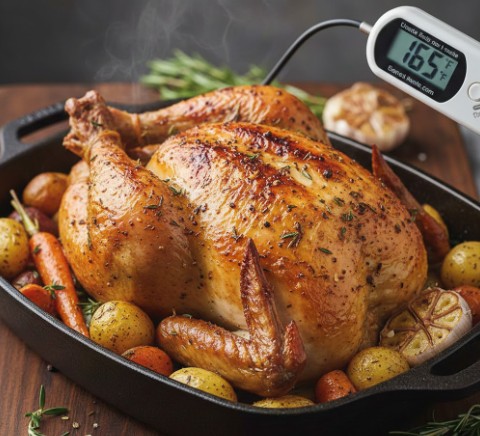
I rub seasoning under and over the skin so the flavor reaches the meat and the skin can crisp. For juicier results, I marinate pieces for at least 30 minutes in the spice mix and a little oil before baking. I cook at about 375°F (190°C) until the chicken hits 165°F (75°C), usually 25–30 minutes for breasts and a bit longer for larger pieces.
2. Chicken on the Grill
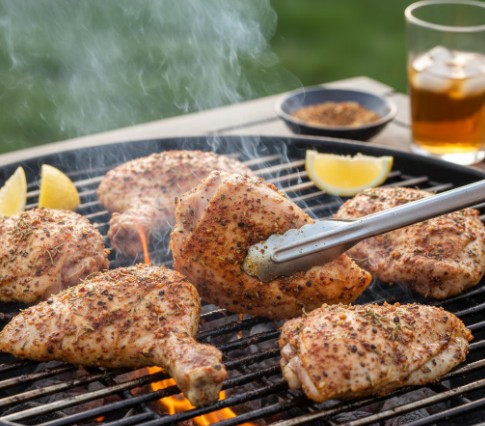
I mix oil, spices, and a splash of lemon or vinegar to help the seasoning stick, then grill over medium-high heat. I turn the chicken a few times so it chars evenly and cooks through to 165°F (75°C). The heat gives the spices a smoky edge, so I keep the rub simple if I want a clean grilled flavor.
3. Whole-Roast or Pan-Roasted Chicken

I spread seasoning over the skin and rub some under the skin or inside the cavity for deeper flavor. I add fat like butter or oil to promote browning and tuck aromatics—like garlic, onion, or herbs—inside or around the bird. I roast at a higher temperature, around 400°F (200°C), and adjust time by size—often 45–60 minutes for a whole chicken—until the juices run clear.
4. Air-Fryer Chicken
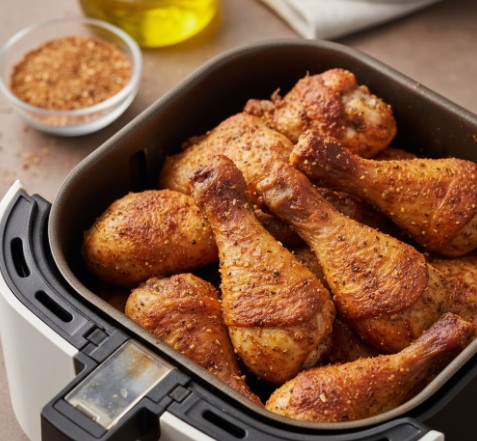
I toss pieces with a bit of oil and seasoning so the coating crisps in the air fryer. I set the fryer to about 375°F (190°C) and flip halfway through for even browning, usually 20–25 minutes depending on piece size. The air fryer gives a crunchy exterior while keeping the inside tender, so I avoid over-seasoning to prevent the coating from burning.
Tips I use across methods:
- Salt first, other spices after, and taste as you go.
- Let seasoned chicken rest for a bit before cooking so flavors settle.
- Use a meat thermometer to ensure safe, consistent doneness.
Tips For Storing Chicken Seasoning
Use Airtight Jars and Bags
I keep seasoning in airtight jars or heavy-duty resealable bags to block air and moisture. Glass jars with tight lids work best because they don’t hold odors. Plastic containers are fine if they seal well and are clean.
Store in a Cool, Dry Spot
I place spices in a pantry or cupboard away from heat and steam. High heat and humidity break down flavor fast. Avoid storing near the stove, dishwasher, or any place that gets warm.
Protect from Sun and Light
I always keep seasoning out of direct sunlight to stop color and flavor loss. Opaque jars or a dark shelf help shield spices from light. Even brief sun exposure can weaken aromas over time.
Watch Dates and Freshness
I check labels and use blends within a year or two for best taste. Seasonings don’t usually spoil, but their flavor fades. If a mix smells weak or tastes flat, I replace it.
Mark and Track Batches
When I make my own blend, I write the mix date on the container. That way I know how old it is and can use the oldest first. Clear labeling also helps if I store several blends.
Blend Components List
I list the main ingredients I used so I remember the mix and any allergens. Example:
- Brown sugar, paprika, oregano
- Garlic powder, salt, onion powder
- Black pepper, cayenne, dried thyme
How I Mix and Store
I combine all spices in a small bowl, stir well, and transfer to an airtight jar. I wipe the jar rim before sealing to keep the lid clean. Then I store the jar in my cool, dark cabinet.
Nutritional Note
A typical serving is low in calories but adds sodium and spices. I use the blend sparingly to control salt and flavor strength.
Final Words
I keep this spice mix on hand because it lifts any chicken dish with almost no effort. A quick rub or sprinkle before cooking adds clear, layered flavor whether I grill, roast, or pan-sear. It saves time and reduces guesswork, so meals taste consistent and satisfying. Try small tweaks—more smoked paprika or extra garlic—to suit your taste and make this blend truly yours.
FAQs
How long should I marinate chicken?
I usually marinate chicken at least 30 minutes so flavors begin to soak in. For better tenderness and deeper flavor, I marinate 2–6 hours. I avoid going past 24 hours because the meat can become mushy or change texture.
Which seasonings work best with chicken?
I pick seasonings by the dish and time of year. For lighter, fresher meals I use citrus, fresh herbs, and mild spices. For cold-weather or hearty dishes I reach for paprika, garlic, and warmer spices to build richer flavors.
Which herb should I choose for chicken?
I rely on thyme, rosemary, and oregano most often. Thyme brings a gentle, earthy note; rosemary gives a fragrant, pine-like edge; oregano adds a savory, slightly spicy lift. I combine them in rubs or marinades and often add garlic and lemon for extra brightness.
FAQs
Q1: What seasonings do I use to make chicken taste better?
I usually start with salt and black pepper, then add garlic powder, onion powder, and paprika. For herb flavor, I use dried thyme or rosemary. These basics work for roasting, grilling, or pan-frying.
Q2: How much seasoning should I put on chicken?
I recommend about 1 teaspoon of kosher salt per pound of chicken as a starting point. Adjust other spices to taste — generally ½ to 1 teaspoon each of garlic and onion powder, and 1–2 teaspoons of a spice blend per pound.
Q3: Can I use the same seasoning for different cooking methods?
Yes. I use similar seasonings for roasting, grilling, and baking, but I change quantities: use more for high-heat methods (grilling) to help form a crust. For slow cooking, use slightly less salt up front since flavors concentrate over time.
Q4: Are store-bought chicken seasonings safe and any different from homemade blends?
Most store blends are safe and convenient. I check labels for added salt, sugar, or preservatives. Homemade blends let me control salt and avoid additives, while store mixes save time and offer consistent flavor.
Q5: How do I keep seasoning on the chicken so it sticks and tastes good?
I pat the chicken dry, then lightly coat it with oil before applying spices. The oil helps the seasoning adhere and promotes browning during cooking.
Q6: How long should I let seasoned chicken rest before cooking?
I let bone-in or larger pieces sit for 15–30 minutes at room temperature after seasoning. For a deeper flavor, I refrigerate and marinate or dry-brine for 1–24 hours, depending on time available.
Q7: Can I substitute herbs if I don’t have a specific one on hand?
Yes. I swap sage, thyme, oregano, or marjoram for each other in poultry blends. Use dried herbs at about one-third the volume of fresh herbs. If you lack herbs, extra garlic, onion powder, and paprika still give good flavor.
Conclusion
I recommend simple, tested seasoning methods that make chicken taste better while staying safe and eco-friendly. Use good salt levels, a balance of herbs and spices, and modest oil to help flavors stick. For best results, season early for deeper flavor or just before cooking for a crisp crust, depending on the recipe.
I favor high-quality, minimally processed spices and herbs because they give clear flavor without additives. I also suggest storing seasonings in a cool, dark place to keep them fresh longer and reduce waste.
I trust basic safety steps: keep raw chicken chilled, avoid cross-contamination, and cook to a safe internal temperature. These practices protect both flavor and health.
I encourage choosing reliable brands or making your own blends so you control ingredients and reduce packaging. Small changes—better salt, fresh herbs, and proper storage—deliver big, lasting improvements.