
Best Rice for Red Beans and Rice
I love cooking red beans and rice because the dish is forgiving and comforting. Still, I’ve learned that the rice you choose changes the whole meal: even perfectly seasoned beans can fall flat if the rice turns out mushy, clumpy, or can’t soak up the sauce.
In this article I’ll explain which rice works best for that fluffy, flavorful finish and offer a few strong alternatives to keep on hand. I’ll also show why rice texture and absorption matter so you can pick the right grain at the store.
Key Takeaways
- Choose a rice that stays fluffy and absorbs sauce for the best result.
- Keep a few reliable rice options available to match your cooking style.
- Rice quality and texture make a big difference in the final dish.
Top Rice Variety: American Long-Grain White Rice
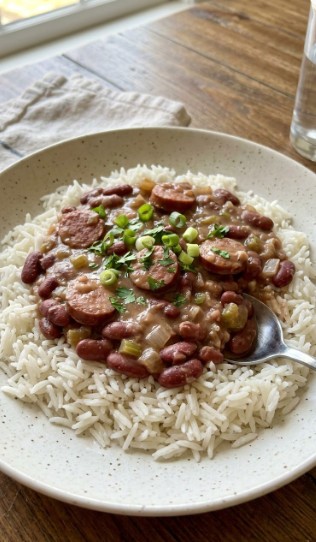
Why I Choose Long-Grain White for Red Beans and Rice
I pick long-grain white rice because it stays light and separate, which pairs well with creamy, saucy red beans. Its mild taste and low aroma let the spices and beans shine without fighting for attention.
- Texture match: The grains stay fluffy and distinct, giving a pleasant contrast to the soft beans.
- Simple to make: I can cook it easily with basic pantry tools. Small water-measure mistakes rarely ruin the result.
- Easy to find: Most stores stock it, so I don’t need a special trip to get the right rice.
- Multi-use: Leftovers work for many dishes—stir-fries, bowls, or packed lunches—so the rice doesn’t go to waste.
I often season the cooking water lightly or use broth to add a touch of flavor without masking the red beans. This keeps the dish balanced and predictable, which helps when I feed a crowd or plan meals ahead.
Rice Runner-Ups
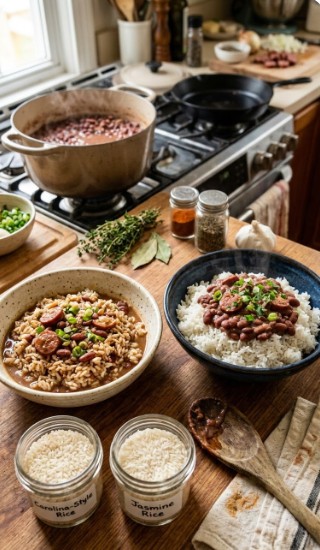
Carolina-Style Rice
I like Carolina-style rice when I want grains that soak up sauce and seasoning. Its texture grabs flavors from the beans and spices, so each mouthful tastes richer. It also holds up well during reheating without turning to mush. Use a bit less water or rinse the rice first to keep the texture from getting too soft.
Fragrant Jasmine Option
I reach for jasmine when I want a fragrant, slightly nutty note in the dish. Jasmine is a touch stickier than classic long-grain white, but it still stays fairly fluffy under a scoop of beans. Its aroma pairs nicely with smoky sausage or bold spices, adding a subtle lift to the overall flavor.
Rice Matters in Red Beans and Rice
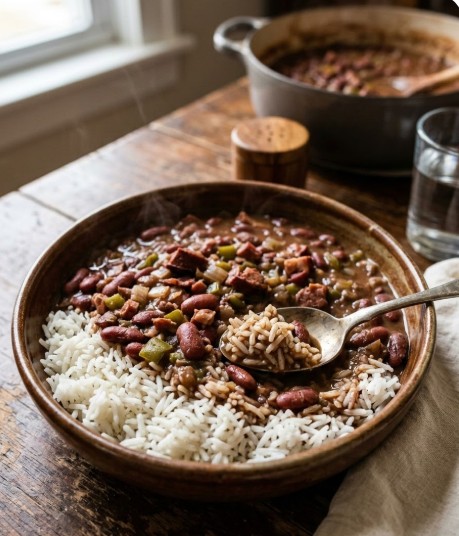
Ingredients I Use
I pick rice that stays fluffy and soaks up the sauce without getting mushy. My top choice is long-grain white rice for its classic texture. If I want a slightly firmer bite, I choose Carolina-style long-grain. For a subtle floral note, I sometimes use Jasmine as a bolder option.
For the beans, I follow a simple ingredient list that pairs well with those rice choices:
- 1 tablespoon extra virgin olive oil
- 1/2 cup finely chopped onion
- 1/4 cup finely chopped celery
- 1/4 cup finely chopped bell pepper
- 2 strips thick-cut bacon, diced
- 2 teaspoons minced garlic
- 1 cup chicken stock + 2 1/2 cups water
- 1/2 tablespoon Worcestershire sauce
- 1/2 tablespoon hot sauce (adjust to taste)
- 1/2 teaspoon smoked paprika
- 1/2 teaspoon Creole seasoning
- 1/2 teaspoon salt and a pinch of black pepper
- 1/2 pound dried red beans, soaked and drained
- Cooked long-grain white rice, for serving
I measure the rice-to-beans balance so each spoonful has rice and beans. I prepare the rice fresh and keep it warm while the beans finish so textures match at serving.
How I Cook and Combine Them
I start by sweating the “trinity” — onion, celery, and bell pepper — in olive oil until they soften and get a bit of color. Then I brown the bacon, leaving about a tablespoon of fat for flavor and discarding excess grease.
After adding garlic for one minute, I raise the heat and pour in chicken stock and water. I add Worcestershire, hot sauce, smoked paprika, Creole seasoning, salt, and pepper. Then I stir in the soaked red beans.
I bring the pot to a boil, lower the heat, cover, and simmer for about two hours. I check for tenderness and extend cooking by 30 minutes if needed. Once the beans are soft and the liquid has thickened, I taste and adjust seasoning.
I let the beans rest for 15 minutes off the heat so the sauce thickens more. Meanwhile, I cook the rice using a 1:2 rice-to-water ratio for long-grain white rice, fluff it with a fork, and keep it covered and warm.
To serve, I spoon the hot beans over a bed of rice. I aim for a balance: the rice should lift the rich bean sauce and the beans should stick to the grains without turning them soggy. I add extra hot sauce or green onions if someone wants more heat or freshness.
FAQs
- Which rice do I recommend for red beans and rice?
I prefer long-grain white rice for classic red beans and rice. It stays fluffy, soaks up sauces without becoming mushy, and matches the dish’s texture. Basmati works well if you want a nuttier aroma, but avoid short-grain or sticky rices. - Is brown rice a safe and tasty option?
Brown rice is safe and adds more fiber and a nutty taste, but it needs more water and a longer cook time. I suggest cooking the beans fully first, then serving brown rice separately or adjusting cooking times so the textures match. - How do I keep the rice from getting soggy?
I rinse long-grain rice until the water runs clear to remove excess starch. Use the right rice-to-water ratio (usually 1:2 for white long-grain) and let rice rest covered off heat for 10 minutes before fluffing with a fork. - Will flavored or seasoned rice work as well?
Pre-seasoned rice can work if its flavors match the dish, but I usually cook plain rice so the beans and sausage or ham can shine. Seasoned mixes sometimes add salt or spices that clash with traditional Cajun flavors. - What’s the best way to cook rice for large batches?
For large portions, I use a heavy pot with a tight lid or a rice cooker. A rice cooker gives consistent results and frees me to focus on the beans. Keep the same rice-to-water ratio and scale up evenly. - How does rice choice affect the dish’s nutrition?
White rice gives a lighter texture but fewer nutrients than brown rice. I choose brown rice for more fiber and vitamins, but I know many people prefer white rice for its classic mouthfeel in this recipe. - How does my rice choice compare to other starches like quinoa or grits?
Quinoa or grits can replace rice and add different textures and nutrients. I use rice for authenticity and its sauce-absorbing quality. If I want a gluten-free or higher-protein option, I’ll try quinoa and adjust cooking liquids.
Final Thoughts
I recommend choosing a long-grain white rice or parboiled rice for red beans and rice because they stay fluffy, soak up flavor, and keep the texture distinct from the beans. I find that these varieties give the dish the classic balance between creamy beans and separate, tender grains.
- Effectiveness: Long-grain and parboiled rices absorb flavors well and resist becoming mushy during serving.
- Safety and eco-friendliness: Buying rice with minimal processing or from sustainable brands reduces waste and supports better farming practices.
- Suitability: If you prefer a fragrant touch, I use basmati; for a fully traditional, hearty bowl, I choose long-grain American-style or parboiled rice.
I recommend testing one rice at home to match your taste and cooking routine. Pick a trusted brand, store rice in a cool, dry place, and you’ll have consistent results for many meals. I encourage you to try a small package of the rice that fits your needs and see how it improves your red beans and rice.
