
Bojangles Cajun Pintos Recipe
I love the deep, smoky taste that Cajun-style pinto beans bring to a meal. This recipe turns simple dried beans into a warm, satisfying dish by using slow cooking and a bold mix of spices and smoked meat to build rich flavor.
I’ll walk you through a clear, easy copycat version that works for weeknight dinners or feeding a crowd. The steps focus on getting the seasoning right and using low heat so the beans soak up all the savory, Southern flavors.
Key Takeaways
- The recipe makes flavorful, slow-cooked Cajun pinto beans with smoky notes.
- Simple techniques and the right spices deliver consistent, restaurant-style results.
- The dish scales well for family meals or meal prep.
Why You’ll Fall in Love with These Cajun Pinto Beans
I love how the first bite hits with layers of flavor—soft, creamy beans soaked in smoky, slow-cooked juices. The smoked turkey gives the dish a meaty depth that turns a simple side into something filling and satisfying.
The spice mix keeps things balanced: cumin brings warm earthiness, paprika adds mild smoke, and garlic and onions form a savory backbone. A touch of sugar rounds the edges and lifts the whole pot without making it sweet.
I always save room for the pot liquor—the reddish-brown broth that soaks into cornbread and keeps each bite juicy. Its rich, slightly thick texture carries concentrated flavor from the beans and meat, making every spoonful comforting and true to Southern style.
- Texture: creamy beans, tender turkey
- Flavor notes: smoky, savory, lightly sweet, earthy
- Best with: cornbread or biscuits
Key Ingredients for Perfect Bojangles Cajun Pintos Recipe

I use drained, soaked pinto beans as the base, then add smoked turkey pieces for a deep, savory taste. I build flavor with diced yellow onion and chopped garlic, sautéed briefly in vegetable oil. For seasoning I rely on salt, cumin, paprika, and a touch of black pepper and sugar to balance heat and earthiness. I add enough water to cover the beans and a small splash of tomato sauce for color. I finish with sliced green onions as a fresh garnish. I also measure ingredients and cook in a large lidded pot.
Copycat Bojangles Cajun Pintos Recipe
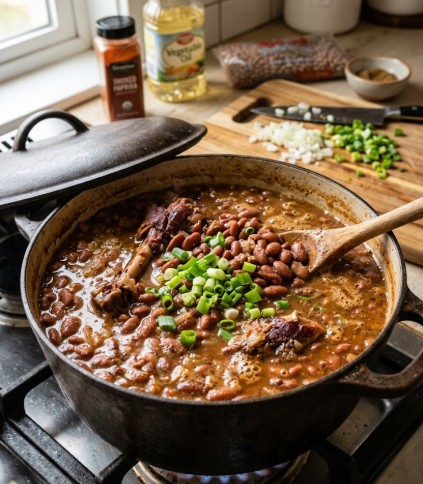
I make these Cajun-style pinto beans by starting with well-sorted, soaked beans and a smoky meat for depth. I pick out any bad beans, rinse them, and soak them 8–24 hours so they swell and cook evenly. After a final rinse I add the beans and smoked turkey to a large pot with about 13 cups of water — enough to sit roughly 2 inches above the beans.
I season early with oil, salt, chopped onion, and garlic, then bring the pot to a boil and lower the heat to a gentle simmer. I skim off any foam after 10–15 minutes and add cumin, paprika, black pepper, and the rest of the salt. I cover the pot and let it cook slowly for 2–2.5 hours, stirring now and then until the beans are tender and the meat nearly falls from the bone.
For color and balance I stir in a bit of sugar and a splash of tomato sauce until the cooking liquid turns reddish-brown. I taste and tweak the salt and spices before serving. I finish with chopped green onions for a fresh bite.
Ingredients at a glance:
- Dried pinto beans (soaked)
- Smoked turkey or ham hock
- Onion, garlic, oil, salt
- Cumin, smoked paprika, black pepper
- Small amount sugar and tomato sauce
- Chopped green onions for garnish
Pro Tips for First-Time Success on This Bojangles Cajun Pintos Recipe
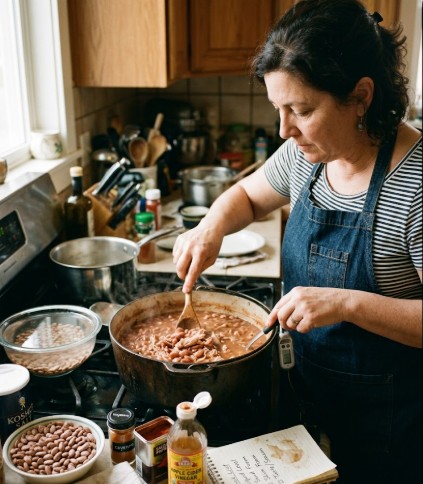
I sort the beans carefully before anything else. I pull out shriveled, discolored, or rock-hard beans so one bad piece won’t ruin the pot. That little bit of prep takes time but saves trouble later.
I soak my beans about 24 hours. A full soak speeds cooking, improves texture, and cuts down on digestive upset. I rinse them once before soaking and again after soaking to wash away dust and starch.
I always keep the liquid level at least two inches above the beans. If the water drops during cooking, I add hot water so the beans cook evenly without drying or sticking. I also skim off the foam when it rises; the clear surface helps the flavor and look.
I add smoked turkey for depth. A smoked leg or wing gives a rich, savory base that lifts the whole dish. I let the meat simmer until it’s tender so it adds both flavor and texture.
I go light with salt and spices at the start. Slow cooking concentrates flavors, so I add small amounts first and taste as the pot cooks. I check the beans every hour and adjust salt, cayenne, or smoked paprika gradually.
I stir very gently and only when needed. Vigorous stirring breaks beans and makes them mushy, so I fold the pot slowly to keep whole beans intact. When I do add tomato sauce, I add it drop by drop until the cooking liquid reaches a reddish-brown color I like. That keeps the beans tasting savory instead of overly tomato-forward.
I use a simple checklist while the beans simmer: liquid level, skim foam, gentle stir, taste every hour, and adjust seasonings slowly. That routine keeps the texture right and builds flavor without overcooking or over-salting.
If something tastes dull late in cooking, I finish with a small splash of acid—vinegar or lemon—to brighten the flavors. I keep notes on what I changed so my next batch is even better.
Creative Serving Ideas for This Bojangles Cajun Pintos Beans
How to Store and Heat Leftovers
I keep leftovers in airtight containers in the fridge for up to five days.
For longer storage, I freeze portions in meal-sized bags for up to three months.
To reheat on the stovetop, I warm the beans over medium heat and add a splash of water or broth if the liquid has thickened.
In the microwave, I heat single servings for 1–2 minutes, stirring halfway to heat evenly.
What Goes in the Pot
I use soaked pinto beans, smoked turkey leg or wing, and enough water to cover by about 2 inches.
My spice mix includes cumin, paprika, black pepper, salt, and a touch of sugar to balance flavors.
I add chopped yellow onion, garlic, a small amount of tomato sauce for color, and green onions for garnish.
Here’s a quick ingredient checklist:
- Soaked pinto beans (about 10 cups)
- Smoked turkey pieces (leg and wing)
- Water (about 13 cups)
- ½ yellow onion, chopped
- 6 garlic cloves, chopped
- Vegetable oil
- Salt, cumin, paprika, black pepper, sugar
- Tomato sauce (small amount)
- Green onions to finish
Step-by-Step Cooking Notes
I sort and rinse the beans, then soak them 8–24 hours (24 hours is best).
After draining, I put beans and smoked turkey in a large pot, add water, and bring to a boil.
I add oil, half the salt, onion, and garlic, then simmer and skim any foam after 10–15 minutes.
Next I add the remaining spices, cover, and cook 2–2.5 hours until meat falls from the bone and beans are tender.
I finish with sugar and a bit of tomato sauce to deepen color, then taste and adjust salt and pepper.
I garnish with chopped green onions before serving.
Short Video Reference
I often watch a short cooking clip to check timing and texture before I start.
Look for a Bojangles Cajun Pintos recipe video that shows simmering beans and skimming foam so you can match the pot liquor and bean tenderness.
Useful Tips and Serving Ideas
- Cornbread dunking: I serve warm buttered cornbread to soak up the pot liquor.
- Over rice: I spoon beans over fluffy white rice and add a dollop of sour cream and hot sauce.
- Baked potato topping: I load baked potatoes with beans, shredded cheese, and chopped green onions.
- Breakfast hash: I fry leftover beans with diced potatoes, then add scrambled eggs and cheese.
- Quesadillas: I use the beans with cheddar or pepper jack between tortillas and toast until melty.
- Hearty soup: I thin the beans with broth, add tomatoes, corn, and bell peppers for a vegetable-packed bowl.
- Nachos: I layer beans on tortilla chips, add cheese and jalapeños, and broil until bubbly.
- Stuffed peppers: I mix beans with cooked rice and ground meat, then stuff and bake bell peppers.
- Taco filling: I warm beans for tacos with avocado, cilantro, and a squeeze of lime.
- Sausage skillet: I sauté andouille or smoked sausage, stir in beans, and serve over grits for a one-pan meal.
Quick serving ideas table:
| Use | Why it works |
|---|---|
| Cornbread | Sweetness balances smoky, savory beans |
| Rice | Absorbs flavorful pot liquor |
| Baked potato | Adds creamy texture and melty cheese |
| Quesadilla | Beans + cheese = easy, portable meal |
| Soup | Stretch into a veggie-rich broth |
| Nachos | Pot liquor becomes a sauce for chips |
I recommend portioning leftovers into single-serve containers so reheating is faster and safer.
Common Questions About Bojangles Cajun Pintos Recipe
1. What goes into Bojangles-style Cajun pintos?
I use pinto beans cooked slowly with smoked turkey, onions, garlic, and a Cajun spice mix like cumin and paprika. A small amount of tomato sauce often goes in for color. Long, slow cooking helps the flavors meld and the beans become creamy.
2. Are these Cajun pintos meat-free?
No. I include smoked turkey (legs or wings) for the smoky, savory flavor. The meat breaks down during cooking and seasons the beans. If you must go meatless, you can try liquid smoke, but it won’t match the original taste.
3. Which bean variety is best?
Pinto beans work best for this recipe. They hold their shape while becoming tender and soak up the spices well. I’ve found other beans don’t give the same texture or flavor.
4. How long should I soak the beans?
I recommend soaking for about 24 hours for best results, though 8–12 hours is acceptable. Soaking cuts down cooking time and helps reduce the beans’ gas-producing compounds. Rinse well after soaking.
5. Can I leave out the smoked turkey?
You can swap in other smoked meats like ham hocks or turkey necks, but I don’t advise skipping meat entirely. The smoked protein is key to the authentic flavor. For a vegetarian version, add a smoky seasoning but expect a different result.
6. Why do my beans need so much time to cook?
Pinto beans need 2.5–3 hours on the stove to reach the right tenderness. Factors like old beans, hard water, or adding acidic ingredients too early can slow cooking. I check and simmer patiently to avoid tough beans.
7. What does the tomato sauce do?
I use a little tomato sauce mainly for color. It gives the cooking liquid a reddish-brown hue without making the dish taste tomato-y when used sparingly. It’s a visual trick common in Southern cooking.
8. Can I freeze leftovers?
Yes. I freeze portions in airtight containers for up to three months. The beans reheat well because they have plenty of liquid. Thaw overnight in the fridge and reheat gently, adding water if the mix looks too thick.
9. How will I know the beans are finished?
I test a few beans by pressing them on a spoon — they should be soft and creamy inside. The cooking liquid should be rich and slightly thickened, and any meat should fall off the bone. If beans are still firm, I keep simmering and recheck every 30 minutes.
10. Is a slow cooker a good option?
Yes, you can use a slow cooker. I pre-soak the beans, reduce the liquid a bit, and cook on low for 6–8 hours. Stovetop gives more control over consistency and lets you skim foam, but the slow cooker works for hands-off cooking.
FAQs
Q1: What makes my version of Bojangles Cajun Pintos taste close to the original?
I focus on slow cooking, smoky seasoning, and a balance of heat and salt. I use ham hock or smoked bacon for depth, onion and garlic for aroma, and a Cajun spice mix (paprika, cayenne, oregano, thyme) to give that classic kick. Low, long simmering lets flavors blend.
Q2: Are these pintos safe to eat if I leave them on the stove for hours?
Yes, if you keep them at a simmer and the pot stays covered, they stay safe and develop flavor. I cool leftovers within two hours and refrigerate in a shallow container to prevent bacterial growth. Reheat to steaming hot before serving.
Q3: How long will the cooked pintos last in the fridge or freezer?
I store cooked beans in the fridge for 3–4 days. For longer storage, I freeze them up to 3 months in airtight containers. Thaw in the fridge overnight and reheat gently.
Q4: How do I keep the beans from becoming too mushy or too firm?
I start with even bean sizes and soak them if using dried beans. I simmer gently and check periodically. If they soften too fast, I lower the heat; if they stay firm, I cook longer and add a bit more water. Salt late in cooking to avoid tough skins.
Q5: Can I make a vegetarian version that still tastes rich?
Yes. I replace smoked meat with smoked paprika, liquid smoke, or roasted mushrooms to add umami. I also use extra onions, garlic, and a splash of soy sauce or miso for depth.
Q6: How does this recipe compare to slow-cooker or pressure-cooker methods?
I find stovetop slow simmering gives the most control over texture. A slow cooker needs less attention but may dilute flavors unless reduced at the end. A pressure cooker cuts time greatly and yields very tender beans but loses some of the slow-cooked complexity.
Q7: What routine maintenance keeps the recipe consistent each time?
I measure spices, keep a steady simmer, and taste as I cook. I note any changes (bean age, salt, or spice levels) in a simple record so I can repeat what worked next time.
Final Thoughts
I tested and refined a Cajun pintos method that brings bold Southern flavor to a simple side dish. The beans cook tender while keeping a spicy, well-balanced sauce from onions, garlic, jalapeño, and a blend of Cajun spices. I found this mix effective and safe to prepare at home when you follow basic food-safety steps like rinsing beans, cooking them fully, and storing leftovers promptly.
- Taste: bold, savory, mildly spicy when you use the suggested seasonings.
- Ease: works with dried or canned beans and fits weeknight or meal-prep cooking.
- Eco and cost: beans are low-cost, store well, and have a smaller footprint than many animal proteins.
- Suitability: fits vegetarian diets and pairs well with rice, greens, or grilled proteins.
I recommend using good-quality spices and fresh aromatics for the best results. Choose reliable ingredients and proper cooking times to ensure consistent flavor and safety. Try this recipe and adjust the heat and seasoning to match your preferences — you’ll get a dependable, flavorful side that fits many meals.