
Pick Up Stix House Special Chicken Recipe: Authentic Copycat and Easy Step-by-Step Instructions
I love the Pick Up Stix House Special Chicken because it mixes crispy chicken with a glossy, sweet-tangy sauce that hits all the right notes. I’ll show how to recreate that crunchy, nutty, and saucy texture at home, and explain simple steps—like double frying—that keep the chicken crisp instead of soggy.
I also put the recipe in context, noting its Western take on Cantonese flavors and offering make-ahead tips for busy nights. My goal is to help you make a reliable weeknight favorite that tastes like takeout without the wait.
Key Takeaways
- You can get crisp, saucy chicken at home with a few key techniques.
- The dish blends Western and Cantonese flavors for broad appeal.
- Make-ahead steps make this recipe easy for weeknight cooking.
What Makes My Pick Up Stix–Style House Chicken So Tasty?
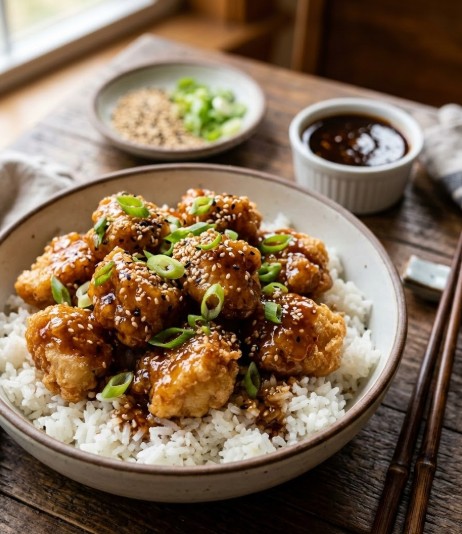
I love how the chicken balances crisp and juicy. The outside stays crunchy while the inside stays tender, so each bite gives contrast.
The sauce is glossy and sticky but light enough to keep the crust intact. It blends sweet, tangy, and a mild savory note without overwhelming the chicken.
A hint of toasted sesame adds a nutty layer, and a splash of vinegar lifts the flavors. I often serve it over steamed rice with sliced scallions for a simple, satisfying meal.
Ingredients Required for Pick Up Stix House Special Chicken Recipe
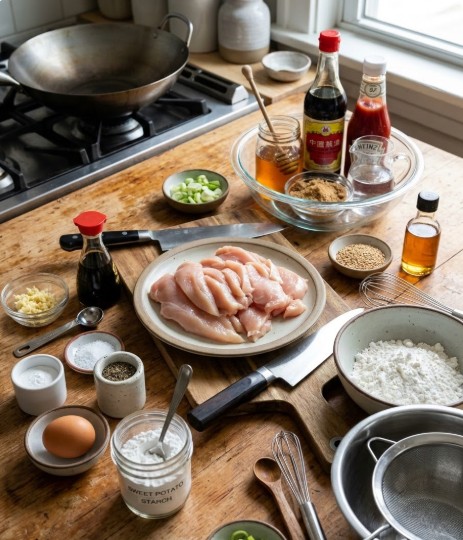
Below I list everything you need to make the House Special Chicken, split by purpose for clarity.
- Chicken & Marinade
- 1 lb chicken breast, sliced about 1/3 inch thick
- 1 tbsp finely minced garlic
- 2 tsp soy sauce
- 1/2 tsp salt
- Black pepper, to taste
- 1/3 tsp baking soda
- 1 egg
- 3 tbsp sweet potato starch (for the marinade)
- Extra sweet potato starch for coating (coarse or clumpy texture preferred)
- Sauce
- 2 tbsp honey
- 3 tbsp brown sugar
- 2.5 tbsp soy sauce
- 2.5 tbsp ketchup
- 1 tbsp Chinese black vinegar (or substitute white vinegar)
- 3.5 tbsp water
- 2 tsp starch (to mix with the water for a slurry)
- To Finish
- 1.5 tbsp roasted sesame seeds
- A small drizzle of sesame oil
- Sliced scallions (optional garnish)
Tools I use: sharp knife, mixing bowls, a wok or deep fryer, strainer, whisk, and a large container for starch coating.
Prep ~30 min, rest ~30 min, cook ~20 min; serves about 3–4.
Copycat Pick Up Stix House Special Chicken Recipe

Ways I Like to Change and Serve This Pick Up Stix House Special Chicken
- Serve it over steamed jasmine rice so the sauce soaks into the rice but the chicken stays crisp.
- Make lettuce wraps with butter lettuce, shredded carrot, cucumber, and a light sesame drizzle for a lighter meal.
- Toss the chicken with stir-fried lo mein or chow mein to turn it into a noodle dish.
- Top garlic fried rice with the chicken for extra flavor and texture.
- Plate with steamed broccoli or bok choy to balance the richness with fresh greens.
- Slice and stuff into bao buns with hoisin and pickled veggies for a handheld snack.
- Use as filling in a burrito with rice, slaw, and chili mayo for a fusion lunch.
- Place on a bed of Asian slaw for a crunchy, lighter meal.
- Pair with kimchi fried rice when I want a bolder, spicy contrast.
- Serve as party finger food with extra sauces like spicy mayo and chili garlic dip.
Practical Tips for Making This Pick Up Stix Style Chicken
- Cut all chicken pieces the same size so they cook evenly.
- Use either breast or thigh meat; thighs are juicier and more forgiving.
- Let coated chicken rest before frying so the crust adheres better.
- Fry in small batches to avoid lowering the oil temperature and getting soggy chicken.
- Double-fry: first to cook through, then rest, then fry again to achieve a crisp exterior.
- Keep oil temperature steady; too hot burns the outside, too cool makes the coating oily.
- Mix the sauce ahead of time so you can finish the dish quickly once the chicken is ready.
- Toss the chicken fast in the sauce to keep as much crunch as possible.
- Finish with sesame seeds for extra texture and a nutty note.
- Serve immediately for best texture and flavor.
Storage and Reheating Steps for Leftovers
- Freeze after the first fry for up to six months. I double-fry from frozen to regain crispness.
- Store sauce in the fridge for several days or freeze small portions. Reheat gently and stir before using.
- To reheat while keeping crispness, oven-bake at 400°F (200°C) on a wire rack for 8–12 minutes, or double-fry briefly if frozen.
- Avoid microwaving if you want to keep the crust; it makes the coating soggy.
Ingredients
- 1 lb chicken, sliced about 1/3 inch thick
- 1 tbsp minced garlic
- 2 tsp soy sauce (for marinade)
- 1/2 tsp salt
- Black pepper, to taste
- 1/3 tsp baking soda
- 1 large egg
- 3 tbsp sweet potato starch (for marinade)
- Extra sweet potato starch or coarse starch for coating (or use the clumping method)
- 2 tbsp honey
- 3 tbsp brown sugar
- 2.5 tbsp soy sauce (for sauce)
- 2.5 tbsp ketchup
- 1 tbsp Chinese black vinegar or white vinegar
- 3.5 tbsp water
- 2 tsp starch mixed into the 3.5 tbsp water for slurry
- 1.5 tbsp roasted sesame seeds
- Toasted sesame oil, a small drizzle for finishing
- Neutral oil for frying (peanut, canola, or vegetable)
Method
- Marinate: In a bowl, combine chicken, garlic, 2 tsp soy sauce, salt, pepper, baking soda, egg, and 3 tbsp sweet potato starch. Mix well and let sit for 20 minutes.
- Make clumpy starch: Spread coating starch in a wide container. Lightly mist with water, wait ~20 seconds, then fluff. Repeat several times until small clumps form.
- Coat chicken: Add pieces one at a time, shake or toss gently so each piece gets coated. Sift off extra starch and rest coated chicken 15 minutes.
- First fry: Heat oil to about 380°F (193°C). Fry chicken in two batches until cooked through but not browned. Drain and rest 15 minutes.
- Sauce: Whisk honey, brown sugar, 2.5 tbsp soy sauce, ketchup, vinegar, water, and the starch slurry in a bowl. Set aside.
- Second fry: Heat oil to about 400°F (204°C). Fry chicken again 2–3 minutes until golden and crisp. Drain excess oil.
- Finish: Pour most oil from the wok, leaving 1–2 teaspoons. Add the sauce and stir until it thickens. Add chicken, toss quickly to coat. Drizzle sesame oil and sprinkle roasted sesame seeds before serving.
Video
- I include a short video demo to show the clumping starch technique, the double-fry timing, and the final toss in sauce.
- Watch the frying steps closely to match the two-temperature method and to see how the sauce thickens in the wok.
Notes
- If you freeze after the first fry, double-fry from frozen to restore crispness.
- The clumpy starch trick creates a textured coating that holds up in sauce.
- Adjust sugar and vinegar amounts to taste if you prefer sweeter or tangier sauce.
- Use a thermometer to keep oil at the right temperatures for each fry.
- Toss chicken quickly in the sauce to preserve as much crunch as possible.
Common Queries on This Pick Up Stix House Special Chicken Recipe
1. What goes into the House Special sauce?
The sauce combines salty soy sauce with sweet elements like honey and brown sugar, plus a touch of ketchup for body. I add Chinese black vinegar for tang and a cornstarch or starch slurry to thicken the sauce so it clings to the chicken without becoming syrupy.
2. Which menu item is most ordered at Pick Up Stix?
The House Special Chicken ranks among the top favorites. I often see it copied at home and ordered in restaurants because it balances crisp chicken with a sweet-tangy sauce. Sesame and Orange Chicken are also very popular.
3. Is it fine to use dark meat instead of breast?
Yes — chicken thighs work well. I get juicier, more forgiving results with thighs, though they need slightly less starch in the coating because they hold more moisture. Slice them evenly so pieces cook at the same rate.
4. How can I keep the coating crisp after saucing?
I use a double-fry method: fry once to cook through, rest the pieces, then fry again at a higher temperature to set the crust. That second fry helps the coating stay crunchy longer after tossing with sauce.
5. Can the sauce be prepared in advance?
Absolutely. I make the sauce ahead and store it in a sealed jar in the fridge. It keeps for weeks to months if sealed well. Reheat gently and stir before using to restore a smooth texture.
6. What happens if I skip the second fry?
Skipping the second fry saves time but costs crunch. I’ve found single-fried chicken softens faster once sauced. If you skip it, try to serve immediately and keep sauce warm but not too watery.
7. Which starch produces the best fried crust?
I prefer sweet potato starch for the crispiest shell. Tapioca or potato starch also give good results. Cornstarch will work in a pinch, but it usually yields a less crunchy finish compared to sweet potato or tapioca.
8. Will air-frying or baking produce the same texture?
Not exactly. I’ve tried both and deep frying gives the best crunch. Air-frying can approach the texture if you spray oil and use small batches, but the coating still softens faster when sauced. Baking is the least crisp option.
9. What does Chinese black vinegar contribute?
Black vinegar adds a mellow, slightly smoky acidity that deepens the sauce. It rounds and balances the sweet and salty notes. If you don’t have it, use regular vinegar but add a little extra sugar to mimic the sweetness.
10. Can I freeze fried chicken for later use?
Yes. I freeze the chicken after the first fry on a single layer, then transfer to a sealed bag. It keeps up to six months. When ready to eat, I fry it from frozen for best texture — no thawing needed.
FAQs
- What makes my version of Pick Up Stix House Special Chicken taste like the restaurant?
I focus on a balance of soy, oyster sauce, ginger, and garlic, plus a splash of rice wine or vinegar for brightness. I use quick high-heat stir-frying to keep the chicken tender and the vegetables crisp, which helps recreate the takeout texture and flavor. - Is this recipe safe for people with food allergies?
I note common allergens up front: soy (soy sauce), shellfish derivatives (oyster sauce), and sometimes wheat (if soy sauce isn’t gluten-free). I recommend using gluten-free tamari and a vegan oyster sauce substitute if needed, and always checking labels. - How can I make the dish less salty or lower in sodium?
I reduce sodium by using low-sodium soy sauce, cutting back on added broth, and adding more aromatics like garlic and ginger to boost flavor without salt. Tasting as you go lets you adjust before serving. - How should I store and reheat leftovers for best results?
I cool leftovers quickly and store them in an airtight container in the fridge for up to 3 days. To reheat, I toss contents in a hot skillet with a small splash of water or broth to refresh the sauce and avoid microwaving to prevent soggy vegetables. - What regular kitchen maintenance helps make this recipe easier?
I keep a well-seasoned wok or large skillet, a sharp knife for quick chopping, and pre-measured sauces and cornstarch in labeled containers. Having mise en place (ingredients ready) speeds cooking and reduces overcooking. - How does this recipe compare to other takeout-style chicken dishes?
I find this dish leans on savory-umami flavors from oyster sauce and soy, with a ginger-garlic backbone. Compared to sweet-and-sour or General Tso’s, it’s less sweet and more balanced, and it typically highlights fresh vegetables more. - Can I safely freeze this dish, and will the texture hold up?
I don’t recommend freezing cooked vegetables; the chicken freezes fine but vegetables can become soft. If I plan to freeze, I separate cooked chicken and sauce from fresh or lightly cooked vegetables and add veggies when reheating.
Conclusion
I recommend this Pick Up Stix House Special Chicken copycat for anyone who wants a reliable, flavorful weeknight meal. The recipe balances savory, sweet, and a touch of heat while staying simple to make. I find the sauce ingredients and quick stir-fry method deliver consistent texture and taste without complicated steps.
I trust this version for its safety and practicality. Using fresh vegetables, properly cooked chicken, and moderate sodium controls makes it a healthier choice than many takeout options. The recipe adapts well to local ingredients and smaller kitchens, so it’s eco-friendlier by reducing food waste and takeout packaging.
Key benefits I highlight:
- Flavor: bold, well-rounded, and true to the original style.
- Ease: fast prep and short cook time.
- Safety: straightforward cooking keeps food-safe results.
- Flexibility: easy swaps for diet or pantry limits.
I suggest choosing quality soy sauce and fresh produce for the best long-term results. Try this at home and you’ll likely prefer it to ordering out.

