Rainforest Cafe Pastalaya Recipe
I love summer cookouts, and one dish I always bring is a lively pasta salad inspired by Rainforest Cafe Pastalaya. Its mix of pasta, bold spices, and hearty proteins makes it both satisfying and easy to share, so it’s a reliable crowd-pleaser at warm-weather gatherings.
I often serve it with grilled vegetables or a slice of garlic bread to round out the meal. The flavors hold up well outdoors, and the dish keeps guests coming back for seconds without much fuss.
Key Takeaways
- The dish blends pasta with bold, savory ingredients for a crowd-friendly summer meal.
- Simple side dishes like grilled vegetables or garlic bread enhance the overall flavor.
- The recipe travels well and works for casual gatherings and potlucks.
What I Call the Rainforest Cafe Pastalaya
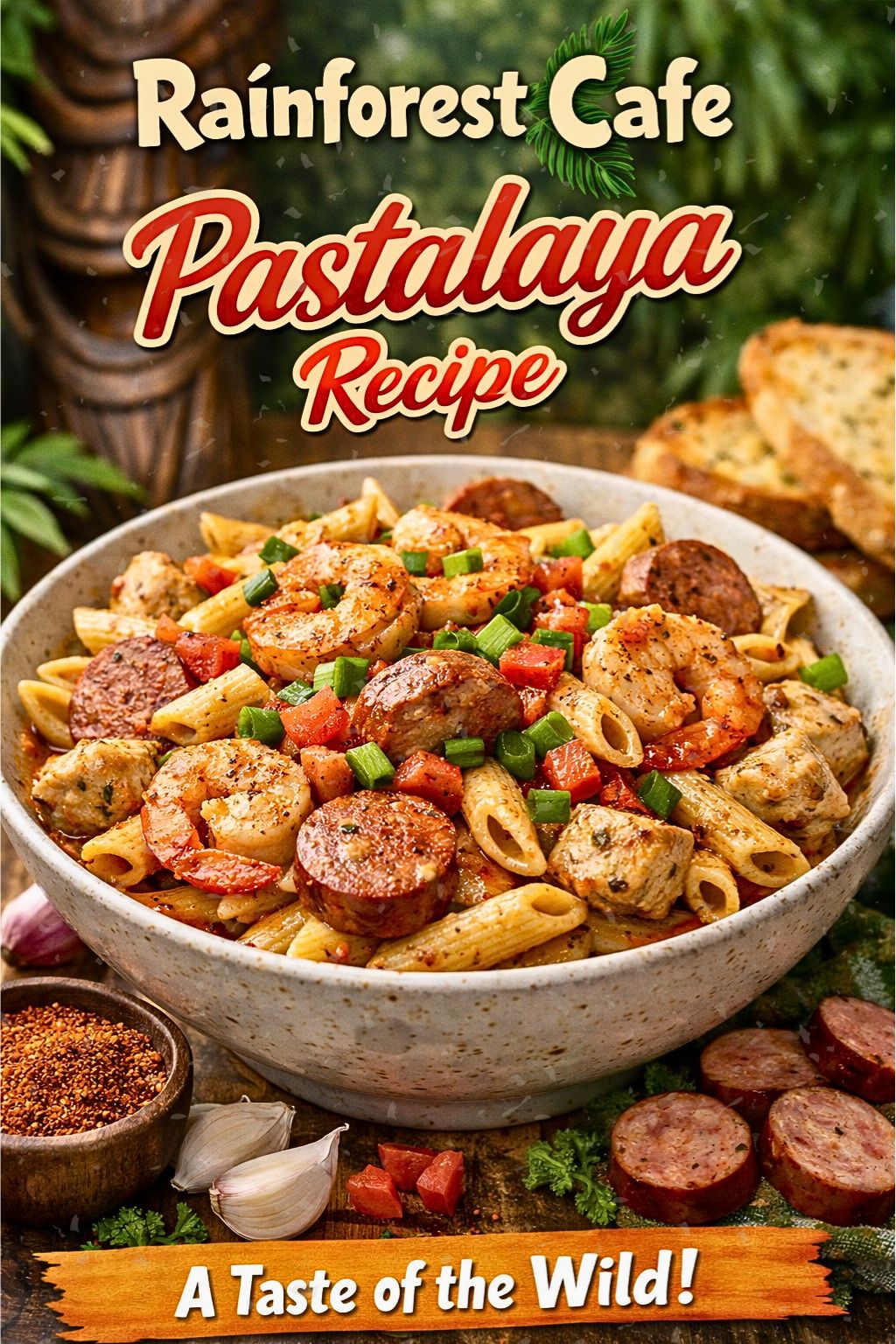
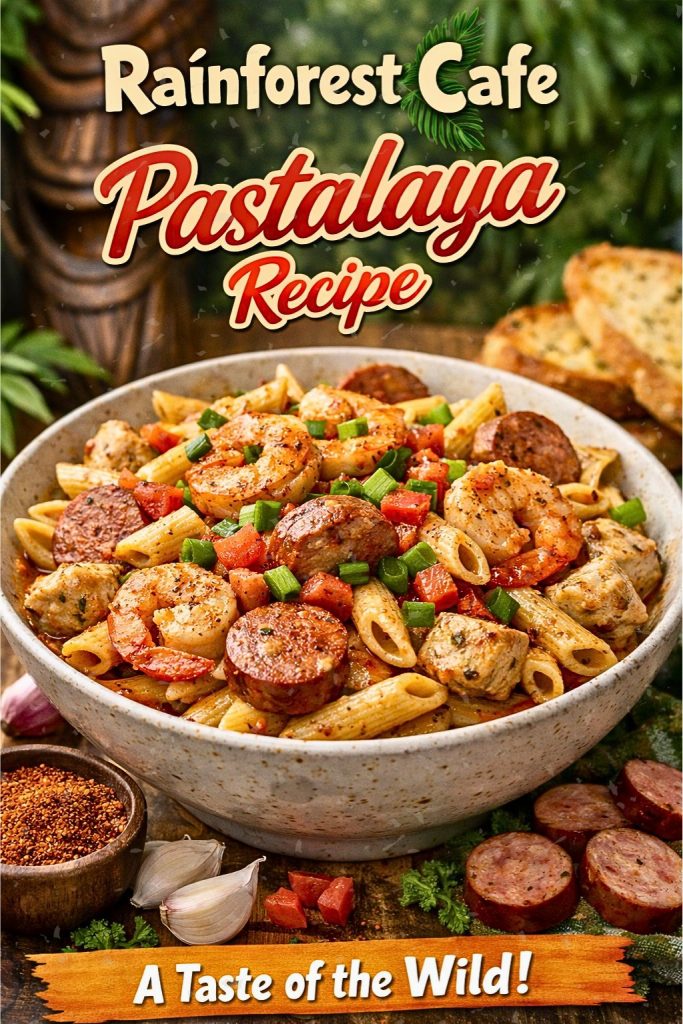
I describe Pastalaya as a Creole-style pasta that swaps rice for linguine and mixes shrimp, chicken, and andouille sausage.
A creamy, slightly spicy sauce ties the proteins together while Cajun seasonings add heat and depth.
- Vegetables like bell peppers and onions add color and crunch.
- The dish balances rich, savory flavors with bright, zesty notes.
I find it hearty enough for gatherings yet simple comfort food for weeknights.
The Ingredients
I gather all ingredients before I start cooking to keep the process smooth. For the pasta dish I use 1 pound of cooked linguine, bite-sized chicken, peeled shrimp, and sliced andouille sausage. I add diced green bell pepper, sliced red onion, chopped Roma tomatoes, and chopped scallions for color and crunch. I season with a Cajun spice blend and keep seafood broth on hand to loosen the sauce as needed.
For the Creole butter sauce I mix softened butter with Worcestershire sauce, minced garlic, lemon juice, smoked paprika, cayenne, black pepper, thyme, oregano, sea salt, and red pepper flakes. I taste and adjust spice levels to suit my preference.
How I Make Rainforest Cafe Pastalaya?
I gather ingredients, prep proteins and veggies, then cook pasta. I brown sausage and chicken, add shrimp last, and stir in a creole-style butter sauce. I toss everything with pasta and garnish with green onions.
Step-by-Step Directions
Step 1: Boil the Noodles
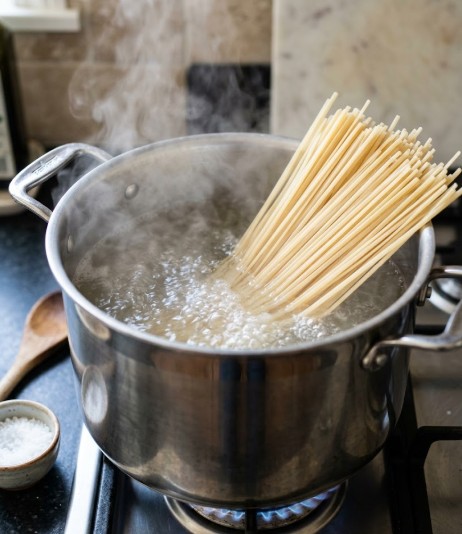
I bring a large pot of water to a rolling boil and add a pinch of salt. I drop in the linguine and cook it until it feels firm but tender, about 8–10 minutes. I drain the pasta and keep a small cup of the starchy cooking water for later.
Step 2: Brown the Meats and Shrimp

I heat a splash of oil in a large skillet over medium-high heat. I cook the cubed chicken until it develops a golden crust, about 5–7 minutes. Then I add shrimp and sliced andouille, cooking until the shrimp turns pink and everything has a light sear.
Step 3: Add the Veg Mix
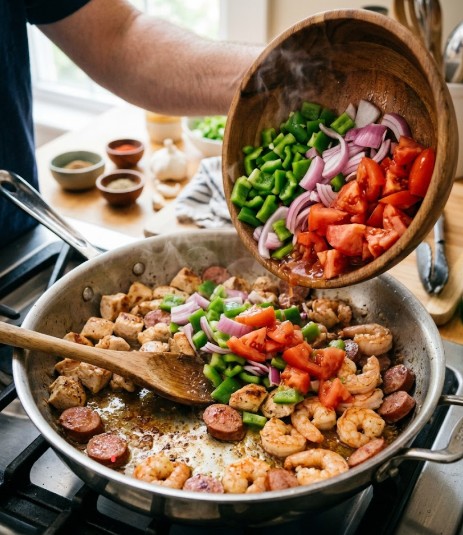
I add diced green pepper, sliced red onion, and chopped tomatoes to the skillet. I stir and cook for 3–5 minutes so the vegetables soften but still hold some bite. I keep the heat high enough to keep a little texture.
Step 4: Make the Creole Butter Sauce
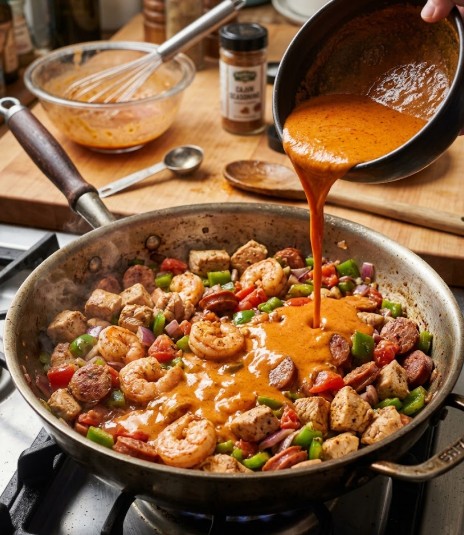
I whisk the sauce ingredients in a bowl until smooth, then pour it into the hot skillet. The heat melts the butter and blends the spices into a silky sauce. I let it warm through and coat the proteins and veggies.
Step 5: Toss Pasta with Sauce
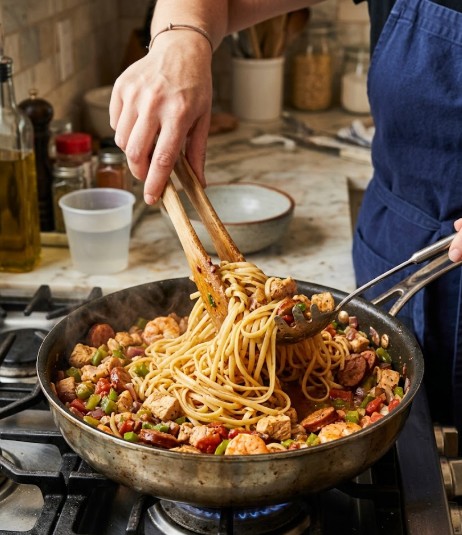
I add the drained linguine to the skillet and toss everything together to combine. If the pan looks dry, I add a splash of seafood stock or the reserved pasta water to loosen the sauce. I toss until each strand of pasta is well coated.
Step 6: Final Taste and Adjust
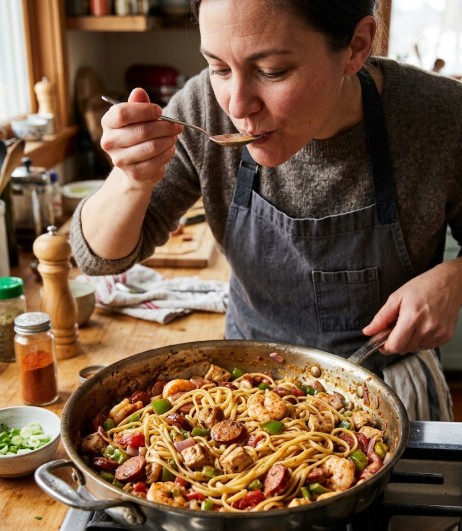
I taste the dish and tweak the seasoning as needed. I might add a pinch of cayenne for heat, more salt, or a few cranks of black pepper. I adjust until the flavors balance the way I like.
Step 7: Plate and Garnish
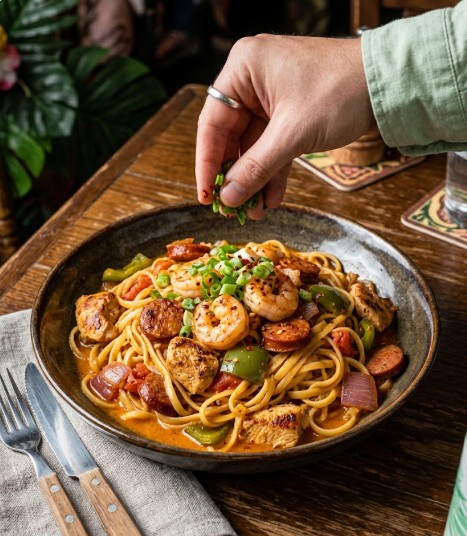
I transfer the pastalaya to plates and finish with sliced scallions or a pinch of crushed red pepper if I want extra color and spice. I serve it hot and enjoy.
Notes: Tips for Perfection
I use fresh herbs and crisp vegetables whenever possible; they sharpen the dish’s flavor.
I cook pasta to a firm bite—overcooked noodles ruin texture.
I taste and tweak spice gradually so heat matches my preference.
I let the dish rest a few minutes off heat to let flavors combine.
I encourage small experiments—add or swap ingredients to make it mine.
Storage Tips
I let the pastalaya cool fully, then pack it into airtight containers.
- Refrigerate up to 3–5 days.
- Reheat gently on the stove or in the microwave.
- Add a little broth or water while warming to restore creaminess.
Keep portions small so reheating is quicker and more even.
Serving Suggestions
I like to finish Pastalaya with chopped fresh herbs like parsley or basil for color and a light, bright taste. I often serve it beside grilled corn for a sweet, smoky contrast. A crisp green salad helps cut the dish’s richness, while crusty bread soaks up the sauce. I also offer grated Parmesan at the table so guests can add as much as they want.
What Other Substitutes Can I Use in Rainforest Cafe Pastalaya?
Ingredients I Swap or Add
- Zucchini noodles work well instead of linguine for a low-carb option. I spiralize the zucchini and lightly sauté it so it doesn’t get soggy.
- I trade andouille for turkey sausage if I want less fat but still want a smoky taste. Slice it thin so it heats quickly.
- For a vegetarian version, I use firm tofu. I press and cube it, then sear until golden for better texture.
- Frozen shrimp is fine when fresh isn’t available. Thaw it in cold water and pat dry before cooking.
- To make the dish vegan, I replace seafood broth with vegetable broth and swap butter-based sauce for a plant-based butter or olive oil with extra spices.
- If you need milder heat, I cut back on cayenne and crushed red pepper or use smoked paprika for flavor without the burn.
- I sometimes add bell pepper varieties (yellow or orange) or swap Roma tomatoes for cherry tomatoes for a sweeter note.
Tools and Small Gear I Use Differently
- I use a large nonstick skillet when I want easier cleanup and less sticking with tofu or lean turkey sausage.
- For zucchini noodles I use a spiralizer or vegetable peeler, and a wide sauté pan so the noodles cook evenly.
- I keep a small bowl for mixing the sauce and a measuring spoon set to adjust spice swaps precisely.
- A colander with a fine mesh helps when I save pasta water and rinse thawed shrimp quickly.
- If I want a creamier vegan sauce, I use an immersion blender to mix plant-based butter, lemon, and spices until smooth.
How I Change the Cooking Steps
- When using zucchini noodles, I skip the pasta boil. I sauté the zucchini briefly then add it last so it stays firm.
- If I use tofu, I press it first, dust lightly with flour or cornstarch, and sear on medium-high heat to get a crisp exterior before adding vegetables.
- For frozen shrimp, I thaw and pat dry, then sear quickly on high heat so it stays tender.
- When I swap seafood broth for vegetable broth, I taste early and add herbs like thyme and oregano to keep the Creole flavor strong.
- If I choose turkey sausage, I brown it gently to avoid drying it out; add a splash of broth to keep the pan juices flavorful.
- I add the sauce off heat sometimes, then return to low heat to finish, which helps emulsify butter substitutes and prevents splitting.
Nutrition Changes I Expect
- Replacing linguine with zucchini noodles cuts carbs and calories significantly and raises vegetable intake.
- Turkey sausage lowers saturated fat and calories versus andouille, but check labels for sodium.
- Firm tofu adds plant protein and reduces cholesterol compared to animal proteins.
- Using frozen shrimp keeps protein high with low fat, similar to fresh shrimp.
- Swapping seafood broth for vegetable broth makes the dish vegan and can lower cholesterol, depending on the broth.
- Plant-based butter or olive oil changes the fat profile—more unsaturated fats if I use olive oil.
- Reducing cayenne or red pepper lowers capsaicin content, which can make the meal easier on sensitive stomachs.
Tips and Quick Reminders I Follow
- Taste as I go; adjust salt and spice after swaps because flavors shift.
- Keep textures in mind: zucchini and tofu need different handling than pasta and chicken.
- Reserve pasta water or extra broth to loosen the sauce when using leaner substitutes.
- Rest the dish a few minutes before serving so flavors blend, especially when using alternative proteins.
Frequently Asked Questions
- Can I prepare this ahead of time?
I often make it a day early. It keeps well in the refrigerator and the flavors meld nicely overnight. - Is the dish hot and spicy?
I control the heat. Lower or skip cayenne and crushed red pepper for a milder plate. - Can I use gluten-free noodles?
Yes. I swap in gluten-free pasta with no problem. - What if I don’t have andouille?
I replace it with smoked sausage or leave it out for a lighter meal. - Any other protein ideas?
I sometimes add crab, lobster, or thinly sliced beef for variety.
Closing Thoughts
I loved making this Pastalaya because the spice blend and buttery sauce work so well together. It’s a bright, satisfying dish that fits summer meals, picnics, or laid-back dinners with friends.
I encourage you to try it and tweak the heat or protein to match your taste. Enjoy the hands-on cooking and the chance to share a dish that often becomes the favorite at gatherings.
FAQs
Q1: What makes my Pastalaya different from regular pasta or jambalaya?
I blend pasta with classic jambalaya ingredients—shrimp, chicken, and andouille—so you get spicy, savory flavors with a saucy, pasta texture instead of rice. The result keeps Cajun spices but uses linguine or similar noodles for a different bite.
Q2: Is Pastalaya safe for people with shellfish or pork allergies?
No. Traditional Pastalaya contains shrimp and andouille sausage (pork). I recommend swapping shrimp for extra chicken or a firm white fish, and using a turkey or chicken sausage substitute to keep similar flavor without shellfish or pork.
Q3: How can I reduce the heat without losing flavor?
I cut back on cayenne and hot sauce, and add more bell peppers, tomatoes, or a splash of cream to tame heat. Toasting and using smoked paprika can keep a smoky taste while lowering spiciness.
Q4: How well does Pastalaya store and reheat?
Pastalaya keeps 3–4 days in the fridge in an airtight container. Reheat gently on the stove or in the microwave, adding a little broth or cream to restore the sauce texture. Freeze in portions for up to 2 months; thaw overnight in the fridge before reheating.
Q5: What routine care does the dish need while cooking?
I watch the pasta so it stays al dente and stir the sauce often to prevent sticking. Cook shrimp last so it stays tender, and taste-season in steps—after sautéing vegetables, after adding proteins, and at the end—to balance salt and spice.
Q6: How does Pastalaya compare to other one-pan Cajun meals?
Compared with jambalaya, Pastalaya trades rice for pasta, which shortens cook time and changes texture. Versus a creamy Cajun pasta, Pastalaya leans more on bold seasoning and mixed proteins, offering a heartier, more pepper-forward profile.
Q7: Can I make Pastalaya vegetarian or vegan?
Yes. I replace shrimp and sausage with firm tofu, tempeh, or seasoned mushrooms and use vegetable stock plus plant-based butter or cream. Adjust seasonings to keep the Cajun character without animal products.
Conclusion
I recommend trying the Rainforest Cafe Pastalaya at home because it blends bold Cajun flavors with familiar ingredients like pasta, shrimp, chicken, and andouille sausage. The dish cooks quickly in one pan, which makes it practical for weeknights and for feeding a crowd without extra fuss.
I find it effective because the spice mix and creamy sauce give a balanced heat and richness, while the protein mix keeps the meal filling and versatile. The recipe adapts well to swaps—use milder sausage, skip shellfish, or pick gluten-free pasta—to match tastes or dietary needs safely.
To keep this dish eco-friendly, I suggest choosing sustainably sourced seafood and locally raised meats when possible. That lowers environmental impact and often improves flavor.
I trust recipes like this for long-term use because they are flexible, straightforward, and crowd-pleasing. Try a tested version, tweak it to your liking, and enjoy a reliable, flavorful meal that makes weeknight cooking easier.