
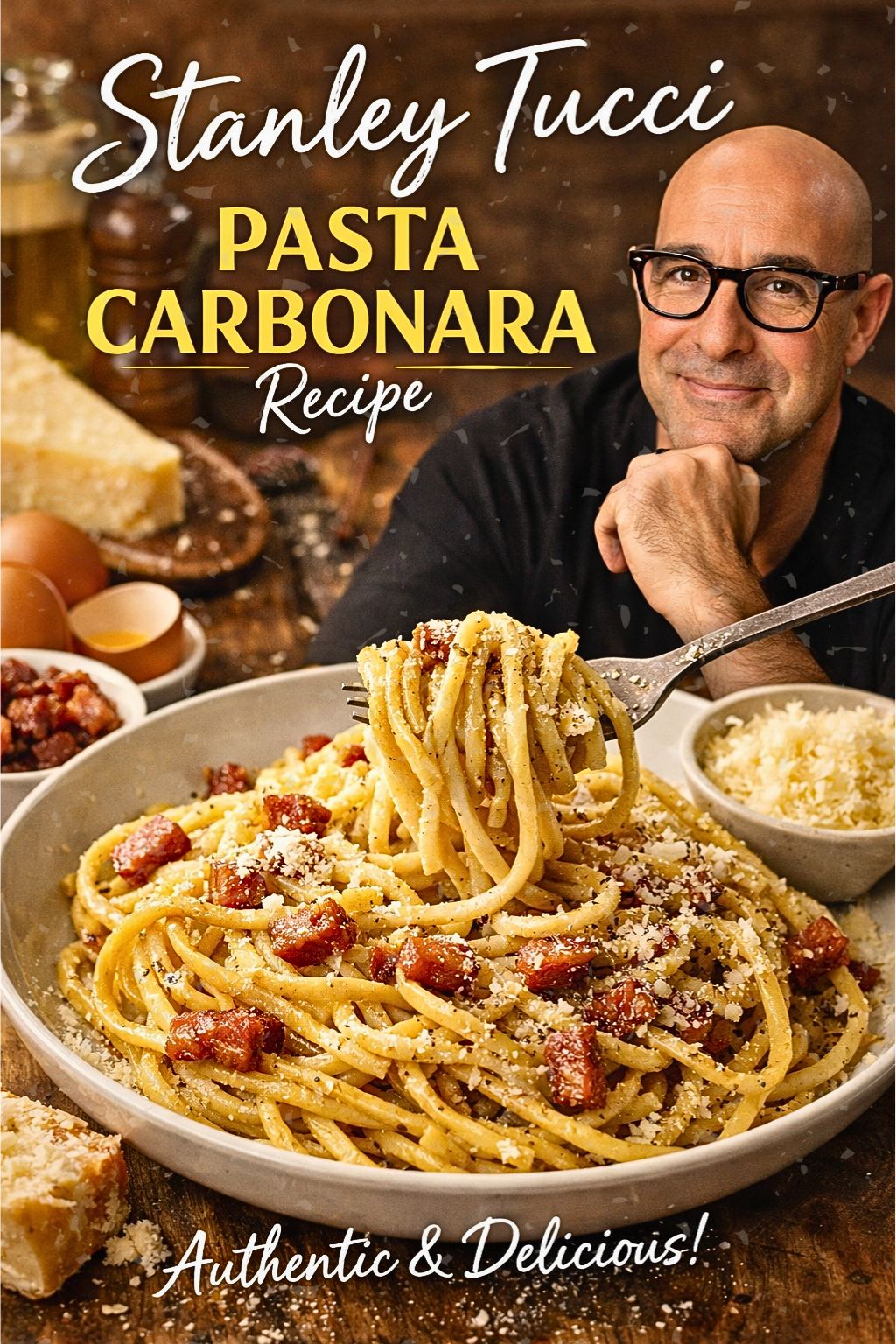
Stanley Tucci Pasta Carbonara Recipe
I love how a few simple touches can lift a home-cooked pasta dish into a full meal. A crisp, peppery salad with a lemony dressing cuts through the richness of carbonara, while a light white wine refreshes the palate. Adding something crunchy, like bruschetta, gives texture contrast, and a classic Italian dessert can close the meal on a sweet, satisfying note.
My first time seeing Stanley Tucci prepare carbonara made me want to recreate that effortless, authentic flavor at home. With basic ingredients and a little technique, I found the dish delivers big comfort and real Italian character without a lot of fuss.
Key Takeaways
- Pair carbonara with a bright salad and light white wine for balance.
- Simple ingredients and proper technique create authentic, comforting pasta.
- Add crunchy sides and a light dessert to round out the meal.
What I Mean by Stanley Tucci’s Pasta Carbonara
I make Tucci’s carbonara as a simple, faithful take on the Roman classic, using few top ingredients for big flavor.
I use spaghetti, eggs, salty pancetta or guanciale, and sharp Pecorino Romano.
I rely on pasta heat to gently cook the beaten eggs into a silky sauce that clings to each strand.
Bold technique matters more than many ingredients: timing, hot pasta water, and stirring create the creamy texture without adding cream.
Why I Enjoy Stanley Tucci’s Carbonara
I like this carbonara because it trusts a few strong ingredients instead of hiding behind many. With only five essentials, I can make a dish that feels special without a long shopping list.
I also appreciate how flexible the recipe is. If I don’t have guanciale, I swap in pancetta and still get great flavor. The whole meal often comes together in about 30 minutes, which fits my busy nights.
The texture and taste keep me coming back. The silky sauce clings to each strand of pasta while the cured meat adds a salty, crunchy contrast. Simple steps produce a layered, satisfying plate that tastes like Italian home cooking.
The Ingredients You Will Need
I gather these items for a classic, creamy carbonara that balances richness and spice.
- 5 large eggs — they create the silky texture of the sauce.
- 1 lb high-quality spaghetti — pick a sturdy pasta that clings to the sauce.
- 10 oz diced pancetta or guanciale — the cured pork adds fat and savory depth.
- 1 1/3 cups finely grated Pecorino Romano — for sharp, salty flavor in the sauce.
- 2 tbsp coarsely grated Pecorino Romano — reserved for finishing the dish.
- 1 tsp finely chopped fresh thyme — a subtle herb note.
- 1/2 tsp crushed red pepper flakes — a light spicy lift.
- Freshly ground black pepper — to taste.
Directions
Step 1: Boil the pasta
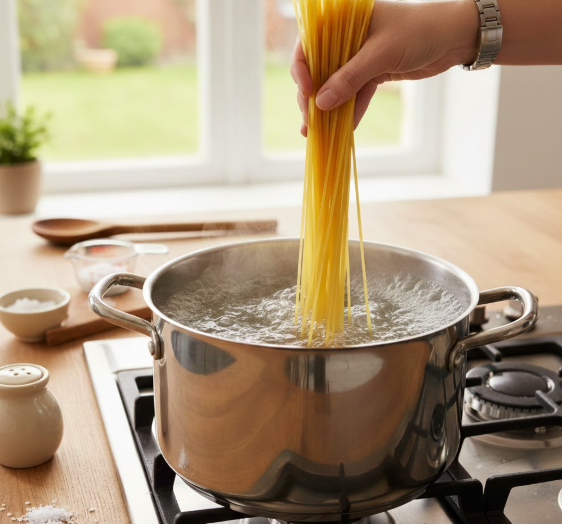
I bring a large pot of well-salted water to a strong boil, then add the spaghetti. I cook it until it is just firm to the bite, about 8–10 minutes. Before I drain, I scoop out and save 1 cup of the cooking water for the sauce.
Step 2: Crisp the pancetta
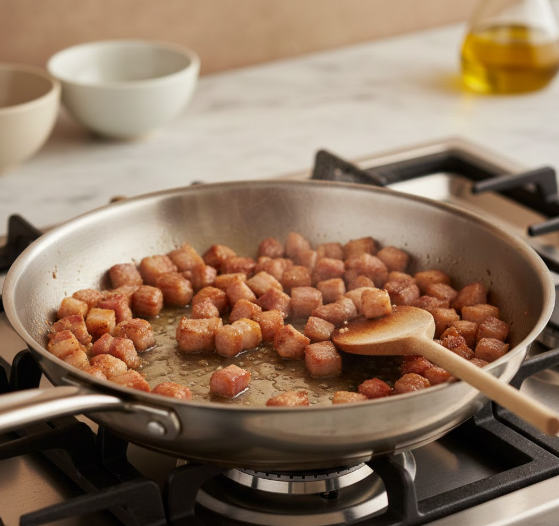
I heat a wide skillet over medium and add the diced pancetta. I let it render and brown for 5–7 minutes until the pieces are crisp and the fat is released. I don’t rush this; the fat carries the main flavor.
Step 3: Beat eggs and cheese

In a bowl I whisk together whole eggs and finely grated Pecorino Romano until smooth. I stir in a pinch of crushed red pepper if I want a little heat. The mixture should be well combined and ready to emulsify the pasta.
Step 4: Mix pasta with pancetta
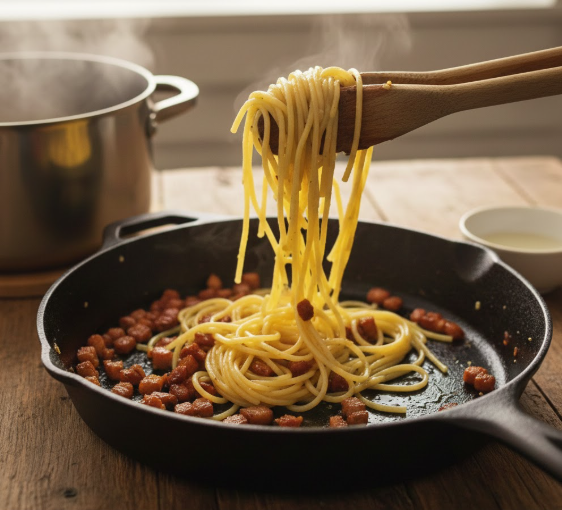
After draining the spaghetti, I transfer it straight into the skillet with the crisp pancetta and its fat. I toss or stir well so each strand gets coated with the rendered fat.
Step 5: Add the egg mixture off heat
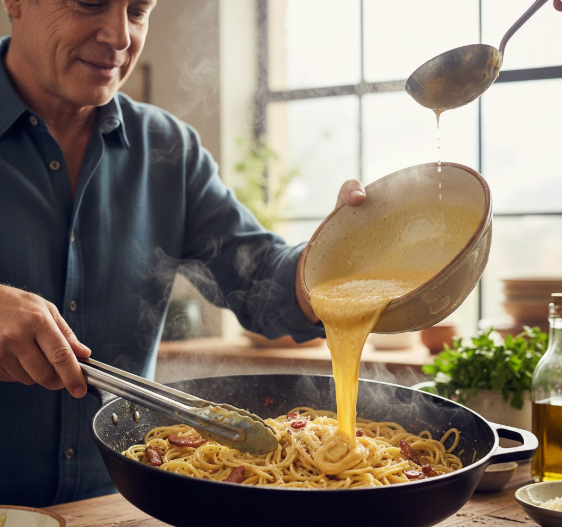
I remove the skillet from the heat and quickly pour the egg-cheese mix over the pasta, tossing constantly. I use a few tablespoons of the reserved pasta water, added slowly, to loosen and make a silky sauce without scrambling the eggs.
Step 6: Final seasoning and serve

I finish with extra grated Pecorino and plenty of freshly ground black pepper. I toss once more, taste for salt, then plate immediately so the sauce stays creamy and warm.
Quick Tips I Use
- Pick good ingredients. I use top-quality pasta and cheese for better flavor and texture.
- Add eggs off the heat. I let the hot pasta warm the egg mix so it thickens without scrambling.
- Taste and adjust. I check salt often because cured meat and cheese differ in saltiness.
- Reserve pasta water. I keep some starchy water to loosen or thicken the sauce as needed.
- Try fresh herbs. I sometimes add a little parsley or thyme for brightness.
Storage Tips
I keep leftovers in an airtight container and chill them promptly. I store them in the fridge for up to three days. To reheat, I warm the pasta gently in a skillet over low heat and add a splash of water to restore the creamy texture.
Serving Suggestions
I like to finish carbonara with a soft poached egg; the yolk blends into the sauce and makes each bite richer.
Crisp garlic bread pairs well — it soaks up sauce and adds a buttery crunch.
For color and nutrition, I toss in quick-sautéed spinach or asparagus. A light sprinkle of chopped parsley brightens flavors and adds freshness.
I often serve a simple green salad with a tart vinaigrette on the side to cut the dish’s richness.
- Poached egg: runny yolk
- Garlic bread: crunchy, buttery
- Veggies: sautéed spinach/asparagus
- Herbs: chopped parsley
- Salad: greens + light vinaigrette
What Other Substitutes Can I Use in Stanley Tucci’s Pasta Carbonara Recipe?
Tools I Recommend
- Large skillet for rendering fat and tossing pasta.
- Big pot for boiling pasta.
- Mixing bowl and whisk for eggs and cheese.
- Tongs or pasta fork to move and mix noodles.
- Measuring cups and a spoon for precise salt and water.
These basics let you swap ingredients without changing technique.
Ingredient Alternatives I Use
- Meat: I prefer guanciale for an authentic taste. If I don’t have it, I use pancetta. Smoked bacon works too; it gives a smoky note but changes the classic flavor.
- Cheese: I usually use Pecorino Romano. Parmesan can replace it if needed; it’s milder and less salty.
- Pasta: I cook regular spaghetti most of the time. For fewer carbs or gluten-free needs, I try zucchini noodles. They change texture but hold the sauce well.
- Liquid for the sauce: I reserve pasta water to loosen the sauce. If I’m out, a splash of warm vegetable broth can work.
- Aromatics and heat: I add crushed red pepper flakes or freshly ground black pepper. Fresh herbs like parsley or thyme are optional for a bright finish.
- Eggs: Use large, fresh eggs. They are the base of the creamy sauce and should not be omitted.
How I Adjust the Method
- Cook the pasta in well-salted water and save about a cup before draining. That starchy water is my go-to for adjusting sauce thickness.
- Crisp the chosen cured meat in a hot skillet until it releases fat. Guanciale or pancetta renders richness; bacon adds smoke.
- Whisk eggs with grated cheese until smooth. I keep the skillet off direct heat when adding the eggs to avoid scrambling.
- Toss hot pasta with the meat and fat, then pull the pan from heat and stir in the egg-cheese mix quickly. I add pasta water by the tablespoon to reach a silky consistency.
- Finish with extra grated cheese and lots of black pepper. If I used zucchini noodles, I reduce cooking time and be gentler when tossing.
Practical Tips I Follow
- Taste along the way. Cheese and cured meats vary in salt, so I add salt sparingly.
- If I swap Pecorino for Parmesan, I check seasoning since Parmesan can be less sharp.
- When using smoked bacon, I reduce added pepper to avoid overpowering the dish.
- For zucchini noodles, I drain them well and fold them in briefly so they do not become soggy.
- I never reheat eggs over direct heat; I rely on residual pasta warmth to cook them.
These swaps keep the spirit of the dish while letting you use what’s on hand.
Frequently Asked Questions
Can I make carbonara without meat?
I often swap the cured pork for sautéed mushrooms or smoked tempeh when I want a vegetarian version.
Both add a savory, chewy bite that mimics the texture of guanciale or pancetta.
Season them well and crisp them up so they contribute flavor and mouthfeel.
Which pasta works best for carbonara?
I prefer spaghetti because it coats evenly and feels traditional.
Bucatini, fettuccine, or other long shapes also hold the sauce well.
Pick a pasta that gives the sauce lots of surface to cling to.
Are raw eggs safe in carbonara?
I use fresh, high-quality eggs and rely on the hot pasta to gently cook them.
That residual heat turns the eggs into a silky sauce rather than leaving them raw.
If you have concerns, use pasteurized eggs.
Can I freeze leftover carbonara?
I try to eat it fresh, but I will freeze leftovers if needed.
Store it in a tight container; expect some texture change after thawing.
Reheat gently with a splash of water or milk to restore creaminess.
How do I fix a too-thin sauce?
I toss the pasta in a warm pan over low heat to reduce excess liquid.
Adding a bit more grated cheese also helps thicken the sauce quickly.
How do I stop the eggs from scrambling?
I remove the pan from heat before mixing in the egg-cheese blend.
Then I stir constantly so the residual heat makes a smooth, creamy emulsion instead of scrambled eggs.
Final Thoughts
I love how a few simple, good ingredients turn into something memorable when you use the right technique. Crisped pancetta, sharp Pecorino, and hot pasta water come together quickly to make a silky sauce without cream. I enjoy the smell while cooking and the straightforward steps that still feel a little like a small triumph.
Try to use high-quality pork and cheese; they make the biggest difference. Keep eggs off direct heat and finish the sauce with reserved pasta water for the best texture. If you want, serve with extra cheese and black pepper at the table so people can season to taste.
Quick checklist:
- Use guanciale or pancetta if possible.
- Reserve pasta water before draining.
- Temper eggs off heat to avoid scrambling.
Make it with care, and the dish rewards you. Simple food done well often tastes like more than the sum of its parts.
FAQs
Q1: Can I use bacon instead of guanciale or pancetta?
I recommend guanciale for the most authentic taste, but pancetta works well. If you only have bacon, use unsmoked or lightly smoked bacon and drain excess fat to avoid a smoky flavor that changes the dish.
Q2: Is cream needed to make a creamy carbonara?
No. I make the sauce creamy by mixing eggs, finely grated Pecorino Romano (or Parmigiano-Reggiano), and hot pasta water. The heat from the pasta and the starchy water create a silky sauce without cream.
Q3: How do I prevent the eggs from scrambling?
Remove the pan from direct heat before adding the egg mixture and toss quickly. If the pasta cools too much, add a tablespoon of hot pasta water at a time while stirring to maintain a smooth texture.
Q4: What pasta shape should I use?
Spaghetti or bucatini are my top choices because they hold the sauce well. Shorter shapes like rigatoni or fettuccine also work if you prefer them.
Q5: How much cheese and pepper should I use?
I use a generous amount of finely grated Pecorino Romano and freshly cracked black pepper. Start with about 1 cup of cheese per pound of pasta and adjust to taste; add plenty of black pepper for the classic sharp note.
Q6: Is this dish safe for people who avoid raw eggs?
If you’re concerned about raw eggs, use pasteurized eggs or briefly temper the eggs by adding a small amount of hot pasta water while whisking, then combine with the pasta off the heat. That reduces risk while keeping texture.
Q7: How do I store and reheat leftovers?
I store leftovers in an airtight container in the fridge for up to 2 days. Reheat gently in a skillet with a splash of water or milk on low heat while stirring to restore creaminess; avoid high heat that can overcook the eggs.
Conclusion
I recommend trying Stanley Tucci’s approach to carbonara because it keeps the recipe simple and focused on quality ingredients and technique. The dish relies on eggs, Pecorino Romano, and cured pork like guanciale or pancetta, joined with hot pasta and a bit of starchy cooking water to form a smooth, creamy sauce without cream. This method is effective, predictable, and easy to repeat once you master timing and heat control.
I find this version safe and practical for home cooks when you use fresh eggs and cook the pork until crisp. It also minimizes waste: a small set of ingredients, basic tools, and short cooking time make it an eco-friendly choice compared with complex recipes that use many packaged items. For long-term success, pick high-quality cheese and cured meat, keep a jar of pasta water handy, and practice tempering the eggs off the heat to avoid scrambling.
If you want a reliable, authentic-tasting carbonara, follow the classic technique and use good ingredients. I encourage you to make it soon and adjust small details—pasta shape, cheese ratio, or pepper level—until it matches your taste.
