Best Rice for Loco Moco: Top Varieties and Cooking Tips for Perfect Hawaiian Comfort Food
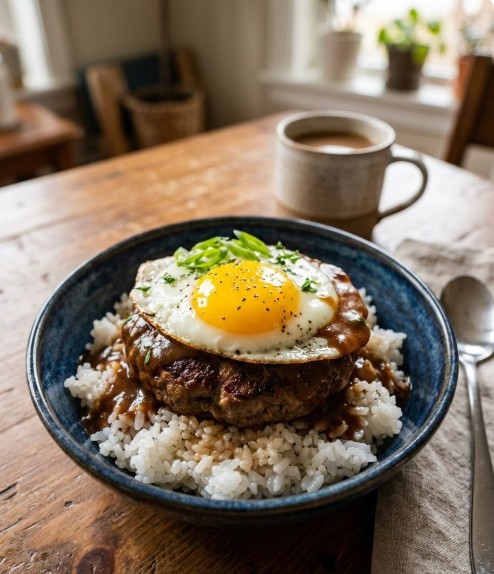
I love loco moco because it hits every comfort-food note: a savory beef patty, rich gravy, a fried egg, and a bed of rice. The rice may seem small, but it changes the whole dish. Using the right grain makes the flavors and textures come together better than just grabbing the cheapest bag.
I’ll explain which rice works best and why, plus a few solid alternatives that still give great results. I’ll keep tips simple so you can pick the rice that makes your loco moco taste its best.
Key Takeaways
- Choosing the right rice improves the dish’s taste and texture.
- Short-grain rice is the top choice, with a couple of good alternatives.
- Practical, easy tips help you get consistent results.
Top Rice Variety for Loco Moco: Sushi Rice
Why I Pick Short-Grain Sushi Rice
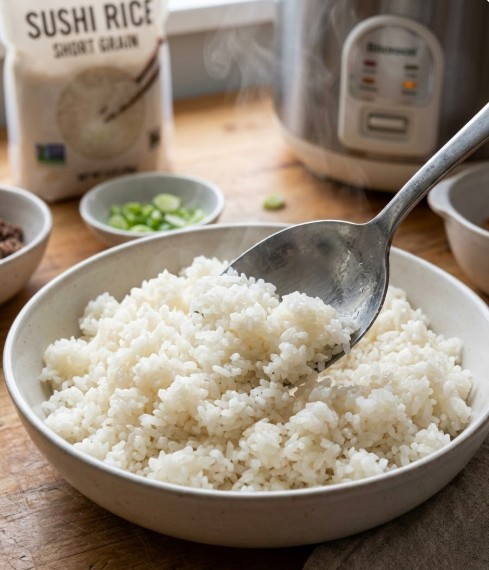
I choose Japanese short-grain (sushi) rice for loco moco because its texture works with the dish. The grains are slightly sticky, so the patty, egg, and gravy sit neatly on top instead of sliding apart. That stickiness also gives a pleasant bite alongside soft egg yolk and rich gravy.
I like that sushi rice soaks up flavors well. Its higher starch content helps the rice absorb gravy and seasoning, making each spoonful taste more unified. That means less bland rice and more savory balance in every mouthful.
Sushi rice also fits many recipes in my kitchen. I use it for poke, musubi, and other bowls, which cuts down on waste and keeps prep simple. It cooks reliably and holds shape under saucy toppings, so I can plate loco moco that looks and tastes consistent each time.
Quick tips:
- Rinse until water runs clear to remove excess surface starch.
- Use slightly less water than for long-grain rice for a firmer texture.
- Serve warm so the rice best absorbs the gravy.
Rice Runner-Ups
Calrose Grain
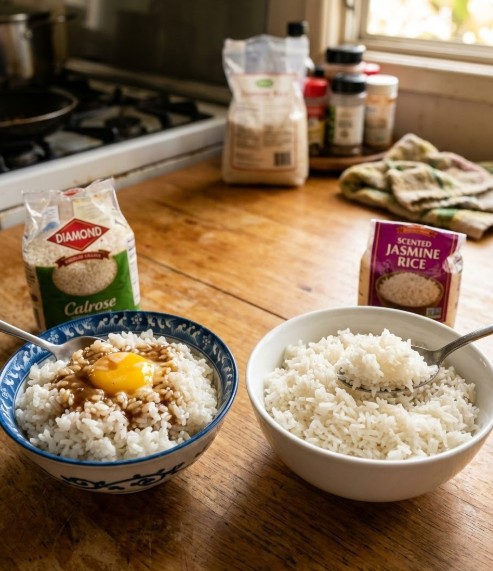
I turn to Calrose when I want a reliable, all-purpose rice that leans toward the short-grain feel.
It has a medium grain and a gentle stickiness that holds gravy and yolk well without turning mushy.
Many cooks in Hawaii use Calrose because it’s easy to find and usually less expensive than specialty sushi rice.
Pros:
- Holds together for scooping and soaking up sauces.
- Works in recipes that call for short-grain rice.
- Affordable and widely available.
Cons:
- Not as sticky as true sushi rice, so the texture can feel a bit looser.
- If you want a very cohesive bite, you may prefer a shorter, starchier grain.
Cooking tip: Rinse until water runs mostly clear and use a slightly firmer water ratio than you would for sushi rice to keep the grains distinct while still tender.
Jasmine Alternative
I use Jasmine only when I’m out of my preferred short-grain options.
Though it’s a long-grain rice, Jasmine still offers a mild stickiness and a neutral taste that doesn’t clash with the beef, gravy, or egg.
It won’t recreate the classic loco moco mouthfeel, but it makes a perfectly acceptable substitute in a pinch.
Strengths:
- Light, slightly fragrant, but not overpowering.
- Cooks quickly and pairs well with savory sauces.
Weaknesses:
- Grains remain more separate than short- or medium-grain varieties.
- Less authentic texture for traditional loco moco.
Quick note: If using Jasmine, slightly reduce water and fluff gently after cooking to keep the plate neat and help the gravy cling better.
Rice in Loco Moco: Nothing Too Crazy
What to use and why
I pick plain, sticky white rice for loco moco because it soaks up gravy well and keeps the dish familiar. Sushi rice or short-grain white rice works best. You can also use jasmine for a slightly floral note, but stick to white varieties for the classic texture.
This meal relies on simple, easy-to-find grains. I like that each rice type can be used in many other recipes, so nothing goes to waste.
What I add and how long it takes
Prep time: 15 minutes
Cook time: 30 minutes
Total time: 45 minutes
Ingredients I use:
- 2 cups uncooked sushi rice
- 1 lb ground beef
- 1/2 tsp garlic powder
- 1/2 tsp onion powder
- 1/2 tsp paprika
- 1/2 tsp salt
- 1/2 tsp black pepper
- 1 tbsp vegetable oil
- 1 cup beef stock
- 1 tbsp soy sauce
- 1 tbsp all-purpose flour
- 1 tbsp butter
- 4 large eggs
- 2 green onions, thinly sliced
How I make it
- Rinse the rice under cold water until the water runs clear. Cook it according to the rice package directions.
- Mix the ground beef with garlic powder, onion powder, paprika, salt, and pepper. Form four even patties.
- Heat 1 tablespoon vegetable oil in a skillet over medium-high heat. Cook patties about 4 minutes per side, or until done to your liking. Remove and keep warm.
- Lower heat to medium-low in the same pan. Sprinkle in 1 tablespoon flour and stir for 1–2 minutes. Slowly whisk in 1 cup beef stock to prevent lumps.
- Add 1 tablespoon soy sauce and simmer until the gravy thickens, about 5 minutes. Finish with 1 tablespoon butter and taste; add salt and pepper if needed.
- In a separate pan, heat a little oil and fry eggs to your preferred doneness. I aim for runny yolks for the traditional loco moco.
- Assemble: place about 1 cup cooked rice on each plate, top with a beef patty, ladle gravy over the patty, and crown with a fried egg. Garnish with sliced green onions.
Tips:
- Keep the rice warm and slightly sticky for best results.
- Taste the gravy as it cooks and adjust seasoning slowly.
- Use leftover rice for other meals if you make too much.
FAQs
- What rice do I usually pick for loco moco and why?
I pick short-grain or medium-grain white rice most often. It has a slightly sticky texture that helps the gravy and yolk cling to each bite. This gives a balanced mouthfeel under the patty and egg. - Can I use jasmine or long-grain rice instead?
Yes. I use jasmine when I want a fragrant, slightly drier base. Long-grain rice stays fluffier and separates more, which some people prefer if they dislike sticky rice. Both work, but they change the dish’s texture. - Is brown rice a safe or healthy swap?
Brown rice is safe and adds more fiber and nutrients. I recommend it if you want a healthier version. Expect chewier texture and a nuttier flavor, and know that the gravy may not soak in as much as it does with white rice. - How does rice choice affect flavor and sauce coverage?
Rice texture controls how much gravy and yolk the rice absorbs. I find sticky rice soaks up sauces better and gives a richer bite. Drier rices highlight each component separately and keep the patty and egg textures distinct. - Do I need to change cooking or maintenance methods for special rice types?
Yes. I adjust water ratios and soak times. Short-grain needs less rinsing and a bit less water; brown rice needs more water and longer cooking. Keep separate airtight storage for cooked rice to avoid drying or spoilage. - Which rice gives the most authentic loco moco experience?
I consider short-grain white rice the most traditional option in Hawaii. It matches the original texture and helps the gravy meld with the other elements. That said, regional and personal tastes vary, so authenticity can be flexible. - How does rice compare to other bases like mashed potatoes or noodles?
Rice holds gravy and egg yolk best and keeps the dish simple and hearty. I find mashed potatoes give creamier texture, while noodles change the character entirely. Rice remains the classic choice for balance and comfort. - Any tips to improve rice performance for loco moco?
I rinse rice until the water runs clear to remove excess starch. I cook rice slightly firmer than usual so it doesn’t become mush under the gravy. When serving, I mound rice warm so it absorbs sauces without getting soggy.
Final Thoughts
I recommend jasmine or short-grain white rice for loco moco because they soak up gravy and stay tender without becoming mushy. Both types give a clean, neutral taste that highlights the beef patty, gravy, and egg rather than competing with them.
- Effectiveness: Jasmine and short-grain rice reliably absorb sauce and keep the dish balanced.
- Safety and quality: Choose well-stored, reputable brands to avoid stale or off flavors.
- Eco and sustainability: Look for rice labeled with sustainable or fair-trade practices when possible to reduce environmental and social impact.
- Long-term suitability: Keep your go-to rice in the pantry for consistent loco moco results; jasmine works best for a slightly fragrant plate, while short-grain gives a classic, stickier base.
I encourage you to pick a reliable rice, try both styles, and use the one that matches your taste and gravy style. A simple, steady choice will make every loco moco more satisfying.