
Best Rice for Mexican Rice: A Confident Guide
When I first tried making Mexican rice, sources disagreed on the right rice to use. Some recipes said any white rice would do, while others insisted on long-grain only. That left me unsure which choice would give the best texture and flavor.
I asked a Mexican friend for advice and learned which rice works best for an authentic result. After testing that recommendation, I now make Mexican rice the traditional way with consistent, fluffy grains.
Key Takeaways
- Choose the rice that gives the right texture for authentic Mexican rice.
- A specific long-grain option usually yields the best, separate grains.
- Asking someone with experience can quickly clear up cooking confusion.
Top Rice Variety: Long-Grain White Rice
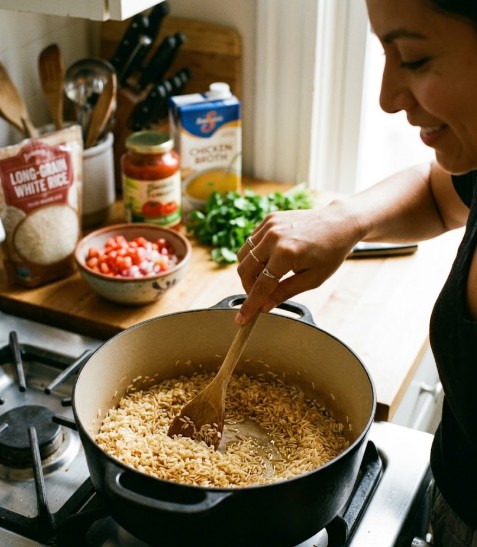
Why I Choose Long-Grain White Rice for Mexican Rice
I pick long-grain white rice because it cooks into separate, fluffy grains instead of sticking together. Its low starch content helps each grain stay distinct, which is key for the classic Mexican rice texture.
I like that its mild taste doesn’t compete with salsa, tomatoes, or spices. The rice soaks up tomato sauce, broth, and seasonings so the dish tastes balanced and not grain-forward.
It’s easy to find at most stores and usually costs less than specialty rices. That makes it a practical choice for everyday cooking and for feeding a group without spending much.
Quick tips:
- Rinse briefly to remove surface starch for even better grain separation.
- Toast the rice in oil before adding liquid to deepen flavor.
- Use the right rice-to-liquid ratio to avoid mushy or undercooked rice.
These simple steps and a reliable long-grain white rice let me make Mexican rice that turns out fluffy, flavorful, and budget-friendly every time.
Rice Alternatives for Mexican Rice
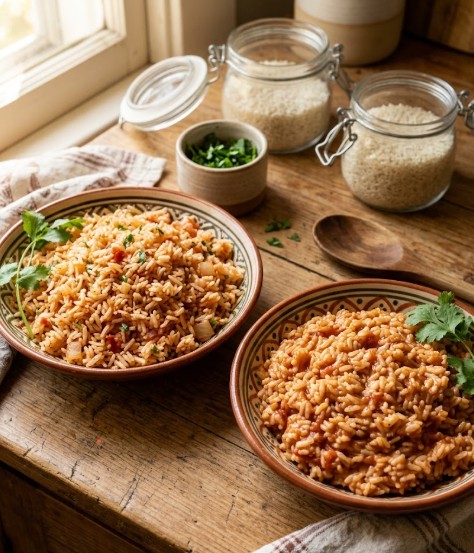
Fragrant Long-Grain Substitute (Basmati)
I reach for basmati when I want a light, fluffy rice with a bit more character than plain long-grain white. Basmati brings a mild sweetness and a nutty scent that can lend a pleasant depth to Mexican-style rice without overpowering the tomato and spice base. It cooks into separate, tender grains and so keeps the dish airy.
Cooking tips I use:
- Increase liquid slightly — basmati often needs more water than standard long-grain white.
- Rinse the rice well to remove excess starch and preserve grain separation.
- Toast the dry rice briefly in oil before adding broth or tomato sauce to amplify its nutty aroma.
Basmati absorbs flavors nicely, so the seasonings in your recipe will still come through. If you prefer a subtly aromatic rice that holds its shape, basmati works well.
Floral Aromatic Option (Jasmine)
I choose jasmine when I want a softer, slightly stickier finish and a floral aroma. Jasmine has a gentle sweetness and a distinctive scent that can complement savory, tomato-forward Mexican rice, though it changes the texture from the classic fluffy result.
Adjustments I follow with jasmine:
- Use a bit less liquid than the recipe calls for to avoid mushiness, since jasmine swells more.
- Rinse but not as vigorously; jasmine benefits from a touch of surface starch to help the grains cling together.
- Stir gently after cooking to keep the grains intact without breaking them.
Jasmine soaks up spices and tomato flavors well, but expect a creamier, closer-grained mouthfeel rather than the dry, separate grains typical of traditional Mexican rice.
Rice Fuels the Flavors of Mexican Rice

What I Use
- 1 cup long-grain white rice (uncooked). I prefer this for its light, separate grains.
- 2 teaspoons vegetable oil to toast the rice.
- 1 small onion, diced, and 1/2 teaspoon garlic for basic savory flavor.
- 1/2 teaspoon salt, adjusted to taste.
- 1 can diced tomatoes (with juices) for color and acidity.
- 1 1/2 cups chicken broth as the cooking liquid; vegetable broth works if you want a meat-free version.
- Juice from 1/2 lime for brightness.
- 2 tablespoons chopped cilantro to finish.
I sometimes use basmati or jasmine if long-grain white is unavailable. They need slight tweaks — a bit less water for basmati, and careful toasting for jasmine — but they still make tasty rice.
How I Cook It
- Gather ingredients and measure liquids. Prep the onion, garlic, and cilantro.
- Heat oil in a large skillet or saucepan over medium heat. Add diced onion and cook 2–3 minutes until soft.
- Stir in the uncooked rice and toast, stirring often, until the grains turn lightly golden.
- Add garlic and salt, stirring to coat the rice. Pour in the canned tomatoes with juices, the chicken broth, and lime juice.
- Bring the mixture to a boil, then lower the heat to maintain a gentle simmer. Cover the pan.
- Cook for about 20 minutes, or until most of the liquid is absorbed and the rice is tender. Avoid lifting the lid too often.
- Remove from heat, fluff with a fork, and fold in chopped cilantro before serving.
Tips: Toasting the rice first keeps it fluffy. Adjust salt and lime to taste.
FAQs
- Which rice do I recommend for classic Mexican rice?
I prefer long-grain white rice. It has low starch, so the grains stay separate and fluffy when you toast and simmer them with tomato and broth. - Is basmati or jasmine a good substitute?
Yes. I use basmati or jasmine when I want a more aromatic dish. They stay fluffy, but they change the smell and taste compared with traditional Mexican rice. - How should I wash and prep the rice for best results?
I rinse the rice until the water runs clear to remove surface starch. Then I lightly toast it in oil before adding liquids; this keeps grains from sticking and adds a mild nutty flavor. - What ratio of rice to liquid works best?
I usually use about 1 part rice to 1.5 to 2 parts liquid for long-grain white rice, depending on how tender I want it. Basmati often needs slightly less water, around 1.5 parts. - Are brown rice or other whole-grain varieties safe to use?
They are safe and healthy, but I note they need more water and a longer cook time. Expect a chewier texture and adjust liquid and simmer time accordingly. - How do I maintain consistent results each time I cook Mexican rice?
I measure rice and liquid precisely, rinse the rice, toast it, and keep the heat steady while simmering with a tight lid. Letting it rest off heat for 5–10 minutes helps steam finish the cooking evenly. - How does homemade Mexican rice compare to store-bought mixes or instant rice?
I find homemade rice offers better texture and fresher flavor because I control the seasonings and liquid. Instant mixes are faster, but they often taste flatter and can be softer or mushier. - Can I make Mexican rice in a rice cooker or Instant Pot?
Yes. I use a rice cooker or Instant Pot for convenience. I keep the same rice-to-liquid ratios but adjust cook settings per the appliance instructions, and I still toast the rice first when possible for best flavor.
Conclusion
I recommend long-grain white rice as my top pick for Mexican rice. It cooks into separate, fluffy grains that soak up tomato, garlic, and stock flavors without turning mushy. That texture makes it reliable for tacos, enchiladas, and as a plated side.
I also suggest trying medium-grain rice if you prefer a slightly creamier bite or want rice that holds together better for stuffing peppers or shaping. For a fragrant twist, I sometimes use small amounts of basmati or jasmine mixed with long-grain white rice, but I keep those blends modest so the dish stays true to Mexican flavors.
Safety and sustainability matter to me when I buy rice. I look for brands with clear sourcing and minimal processing. Choosing rice from responsible suppliers reduces environmental impact and gives me consistent quality over time.
To get the best results, I rinse rice to remove excess starch, toast it briefly in oil for better flavor, then cook with a measured ratio of liquid and seasonings. These simple steps deliver reliable texture, taste, and appearance every time.
If you want a dependable, easy-to-make Mexican rice, pick long-grain white rice from a trusted brand and follow basic cooking steps. You’ll get consistent, crowd-pleasing results that hold up well in many dishes.