
Flower Child Copycat Recipes: Fresh, Healthy Meals You Can Make at Home
I love making bright, healthy meals at home that taste like they came from a favorite fast-casual spot. I recreated a set of popular dishes so you can make them easily with simple ingredients and basic kitchen tools.
These recipes focus on fresh produce, bold but clean flavors, and straightforward steps you can repeat any night. Follow along for salads, bowls, snacks, and tips that save time while keeping meals vibrant and satisfying.
Key Takeaways
- Recipes recreate favorite fresh menu items for home cooking.
- Ingredients and tools stay simple for easy preparation.
- Includes make-ahead tips and a variety of bowls, salads, and snacks.
Flower Child Copycat Recipes Overview
I focus on fresh, simple ingredients to recreate the bright, healthy bowls and salads you find at Flower Child. I pick whole grains, crisp vegetables, and clear proteins so each dish feels nourishing and balanced.
Key principles I use:
- Ingredient quality: fresh produce, whole grains, and lean or plant proteins.
- Flavor balance: citrus, herbs, and light dressings that add brightness without heavy sauces.
- Simple steps: short prep and minimal cooking to keep textures and nutrients.
What I typically include:
- Vegetables: crunchy greens, cucumbers, peppers, and roasted roots for variety.
- Grains: quinoa, brown rice, or freekeh as a filling base.
- Proteins: grilled chicken, baked tofu, or roasted chickpeas for mouthfeel.
- Dressings & spices: lemon vinaigrettes, miso or tahini blends, and mild smoky spices.
I aim for dishes that assemble quickly and stay fresh. I often prep grains and roasted vegetables ahead, then mix bowls with raw greens and a bright dressing at serving time. This approach keeps flavors lively and textures distinct.
Practical tips I use:
- Roast vegetables in one pan to save time.
- Make a small batch of dressing and store it for several meals.
- Use a mix of raw and cooked elements for contrast.
I present these copycat recipes so you can enjoy Flower Child–style meals at home without complex techniques. The goal stays the same: fresh flavors, clean ingredients, and easy preparation.
Ingredients
Pantry Basics I Use for Copycat Meals
I keep a set of reliable staples that let me recreate bright, wholesome bowls and plates at home. I buy plenty of fresh greens like kale, spinach, and arugula, plus crisp vegetables such as cherry tomatoes, cucumbers, and bell peppers. I stock whole grains—quinoa, brown rice, and farro—so I can make hearty bases quickly.
For protein, I rely on lean options: grilled chicken breast, salmon, firm tofu, and canned or cooked chickpeas. I also keep nuts and seeds on hand (almonds, pepitas, chia, hemp) to add crunch and healthy fats. Herbs and simple seasonings—cilantro, basil, parsley, garlic powder, and smoked paprika—give dishes bright, layered flavor.
I make small batches of dressings like lemon-tahini, balsamic vinaigrette, and avocado-lime crema to finish bowls. These basics let me mix and match textures and tastes without a lot of fuss.
- Fresh produce: kale, spinach, arugula, avocados, cherry tomatoes, cucumbers, bell peppers
- Whole grains: quinoa, brown rice, farro
- Proteins: chicken breast, wild salmon, firm tofu, chickpeas
- Extras: almonds, pepitas, chia seeds, dried cranberries
- Herbs & spices: cilantro, basil, parsley, garlic powder, smoked paprika
- Dressings: lemon-tahini, balsamic vinaigrette, avocado-lime crema
Items for Signature Dishes
When I aim for a specific copycat item, I pull a few targeted ingredients that define each dish. These extras are easy to find yet make a big difference in taste and texture.
- Superfood Kale Salad: Tuscan kale, roasted sweet potatoes, dried cranberries, toasted pepitas, lemon-tahini dressing.
- Harvest Grain Bowl: quinoa, farro, roasted beets, goat cheese, pumpkin seeds, balsamic vinaigrette.
- Spicy Avocado Wrap: whole-wheat wrap, smashed avocado, black beans, pickled red onions, fresh cilantro, lime juice.
- Turmeric Golden Milk: turmeric powder, coconut milk, honey, cinnamon, a pinch of black pepper.
I choose ingredients for freshness and balance—bright vegetables, nourishing grains, and bold dressings—to match the feel of the originals while keeping the recipes simple to make.
Tools and Equipment Needed
Must-have Kitchen Gear
I keep a sharp chef’s knife for fast, clean cuts that protect delicate greens and herbs. I use at least two cutting boards—one for produce and one for proteins—to avoid cross-contamination.
A set of mixing bowls in small, medium, and large sizes helps me toss salads, blend dressings, and combine ingredients without spills. I rely on measuring cups and spoons so portions stay consistent and flavors balance the same each time.
I use a high-powered blender or food processor to make smooth dressings, nut butters, and creamy sauces. A salad spinner dries greens quickly and keeps leaves crisp. For cooking, I prefer a nonstick skillet or grill pan to sear proteins and toast grains evenly. Baking sheets or a roasting pan let me caramelize vegetables and deepen flavors. Finally, I store prepped items in glass containers to keep food fresh and avoid staining.
Nice-to-have Extras
A mandoline slicer speeds up slicing and gives uniform thickness for salads and wraps when I want a neat, professional look. I use a simple citrus juicer to get bright, fresh juice for dressings with less effort. A digital kitchen scale helps when I need exact portions or follow a recipe that lists weights.
These extras are not required, but they save time and improve consistency when I’m preparing bowls and salads with many components.
Quick Reference Table of Tools and Uses
| Tool | What I use it for | Priority |
|---|---|---|
| Chef’s knife | Chopping vegetables, herbs, and proteins | Essential |
| Cutting boards (separate) | Prevent cross-contamination | Essential |
| Mixing bowls (varied sizes) | Tossing salads, mixing dressings | Essential |
| Measuring cups & spoons | Accurate ingredient amounts | Essential |
| Blender / Food processor | Smooth dressings and sauces | Essential |
| Salad spinner | Drying greens for crisp texture | Essential |
| Nonstick skillet / Grill pan | Searing proteins, toasting grains | Essential |
| Baking sheet / Roasting pan | Roasting vegetables and grains | Essential |
| Glass storage containers | Keep prepped food fresh, avoid stains | Essential |
| Mandoline slicer | Uniform vegetable slices | Helpful |
| Citrus juicer | Fast, clean juice extraction | Helpful |
| Digital kitchen scale | Precise portioning by weight | Helpful |
I arrange these tools within easy reach when I cook. That setup makes prep faster and helps me keep flavors bright and textures crisp.
Recipe 1: Superfood Salad Copycat
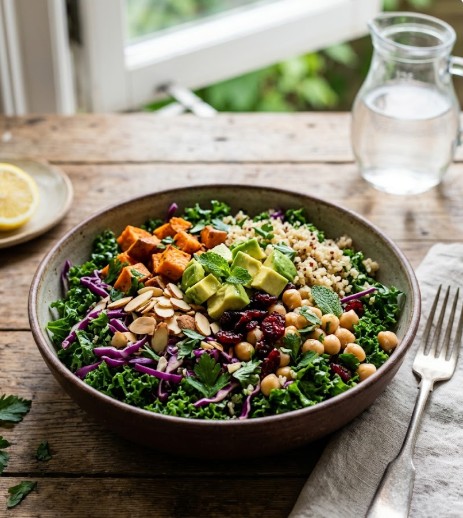
Ingredients I Use
- 4 cups kale, stems removed and chopped
- 1 cup red cabbage, shredded
- 1 cup cooked quinoa, cooled
- 1/2 cup roasted sweet potato, cut into cubes
- 1/4 cup sliced almonds, toasted
- 1/4 cup dried cranberries
- 1 avocado, diced
- 1/2 cup canned chickpeas, rinsed and drained
- 2 tbsp fresh parsley, chopped
- 2 tbsp fresh mint, chopped
Dressing
- 3 tbsp extra virgin olive oil
- 2 tbsp fresh lemon juice
- 1 tbsp apple cider vinegar
- 1 tsp honey or maple syrup
- 1 garlic clove, minced
- 1/2 tsp ground cumin
- Salt and black pepper, to taste
How I Prep
- Massage the chopped kale with a pinch of salt for about 2 minutes until the leaves soften and darken.
- Cook quinoa following the package directions; spread it out to cool.
- Roast sweet potato cubes at 400°F (205°C) for roughly 20 minutes until tender and slightly browned.
- Toast the sliced almonds in a dry skillet over medium heat, stirring for 3–4 minutes until they smell nutty.
- Chop the parsley and mint, shred the cabbage, and dice the avocado.
- Whisk the dressing: combine olive oil, lemon juice, apple cider vinegar, honey or maple syrup, minced garlic, cumin, salt, and pepper until blended.
Putting It All Together
- In a large bowl, combine the massaged kale, shredded red cabbage, and cooled quinoa.
- Add roasted sweet potato, toasted almonds, dried cranberries, diced avocado, chickpeas, parsley, and mint.
- Pour the dressing over the salad and toss gently to coat everything evenly.
- I serve it right away for crunch, or chill it 15–20 minutes to let flavors meld.
Nutrition-focused tip: the mix of leafy greens, whole grain quinoa, legumes, healthy fat from avocado and olive oil, and nuts gives a range of protein, fiber, and healthy fats in one bowl.
Recipe 2: Avocado Toast Copycat
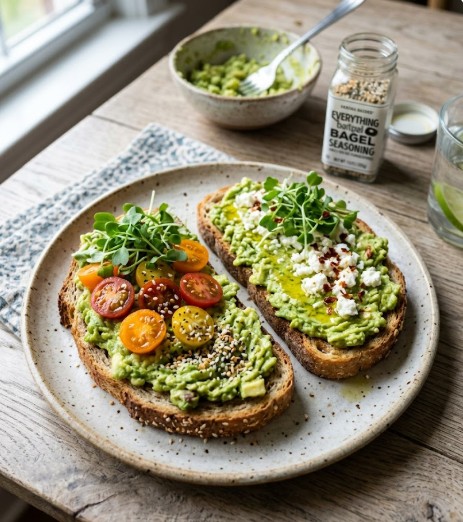
Ingredients I Use
- 2 slices rustic whole-grain bread, toasted
- 1 ripe avocado (about 7 oz), peeled and pitted
- 1 tbsp fresh lime juice
- 1/4 tsp sea salt
- 1/4 tsp freshly ground black pepper
- 1/2 tsp red pepper flakes (optional)
- 1 tbsp extra-virgin olive oil
- 1/4 cup cherry tomatoes, halved
- 1 tbsp microgreens or baby arugula
- 1 tsp everything bagel seasoning
- 1 tbsp crumbled feta (optional)
How I Prep
- Toast the bread until it’s golden and firm so it holds the toppings.
- Cut the avocado, remove the pit, and scoop the flesh into a bowl.
- Add lime juice, salt, and pepper to the avocado. Mash with a fork until mostly smooth with small chunks left for texture.
- Rinse and drain microgreens. Halve the cherry tomatoes and set everything nearby for assembly.
Step-by-Step Assembly
- Spread the mashed avocado evenly on each slice of toasted bread.
- Drizzle olive oil over the avocado to add richness.
- Scatter the halved cherry tomatoes and the microgreens on top.
- Sprinkle everything bagel seasoning across each slice for savory crunch.
- Optionally, add crumbled feta and a light pinch of red pepper flakes for tang and heat.
Ways I Serve It
- Pair with a soft-boiled egg to add protein.
- Serve alongside a citrus salad to cut the richness with bright acidity.
- Offer toasted seeds (sunflower or pumpkin) on the side for extra crunch.
- Enjoy with a mixed-berry smoothie or a cup of herbal tea for a balanced meal.
Recipe 3: Earth Bowl Copycat
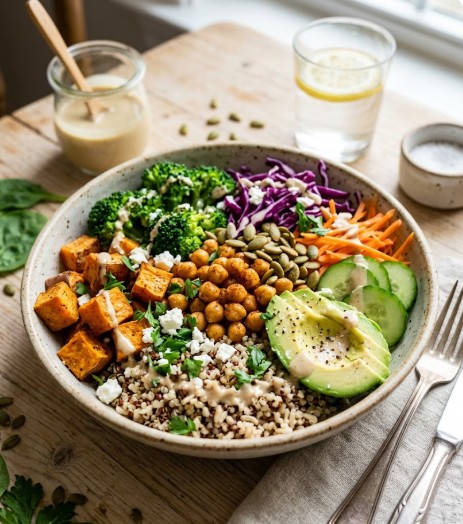
Ingredients I Use
- Grains and base:
- 1 cup cooked quinoa (cooled)
- 1 cup cooked brown rice (cooled)
- Veggies and toppings:
- 1 cup roasted sweet potato cubes
- 1 cup steamed broccoli florets
- 1/2 cup shredded red cabbage
- 1/2 avocado, sliced
- 1/4 cup sliced cucumber
- 1/4 cup shredded carrot
- Protein & crunch:
- 1/4 cup cooked chickpeas, rinsed and drained
- 1/4 cup pumpkin seeds (pepitas), toasted
- Fresh herb and optional cheese:
- 1/4 cup chopped parsley
- 1/4 cup crumbled feta (optional)
- Lemon-tahini dressing:
- 3 tbsp tahini
- 2 tbsp fresh lemon juice
- 1 tbsp olive oil
- 1 tsp maple syrup
- 1 clove garlic, minced
- Salt and pepper to taste
- Water to thin as needed
Building the Grain Base
I mix the cooked quinoa and brown rice in a large bowl so the textures blend evenly.
I roast sweet potatoes at 400°F (205°C) for about 25 minutes until tender and let them cool.
I steam broccoli briefly so it stays bright green and slightly crisp.
Cooking the Protein and Crunch
I heat a dry skillet over medium and toast pumpkin seeds 3–4 minutes, stirring so they don’t burn.
I warm chickpeas in the same pan 2–3 minutes; I often add a pinch of cumin and smoked paprika for extra flavor.
I slice avocado and cucumber, shred carrots and cabbage, and chop parsley while the warm ingredients finish.
Putting the Bowl Together
I start each bowl with a generous layer of the quinoa-rice mix.
I place roasted sweet potatoes, steamed broccoli, shredded cabbage, carrots, cucumber, warmed chickpeas, and avocado slices on top in sections so each bite has variety.
I sprinkle toasted pumpkin seeds, chopped parsley, and feta (if using) over the assembled bowl for texture.
I whisk the tahini, lemon juice, olive oil, maple syrup, and minced garlic; then I add water a teaspoon at a time until the dressing flows easily.
I season the dressing with salt and pepper, drizzle it over the bowls, and serve right away.
Recipe 4: Sweet Potato Fries Copycat
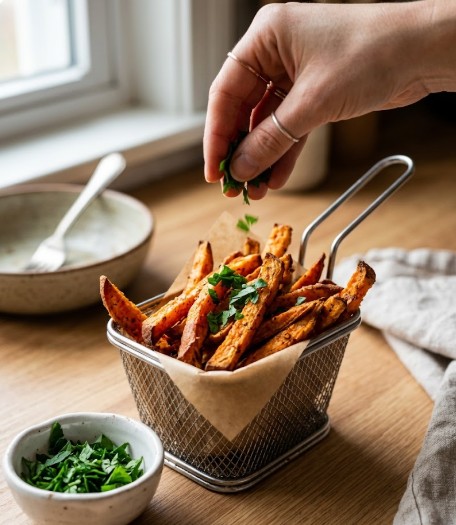
What You’ll Need
- 2 large sweet potatoes — peeled and cut into about 1/2-inch sticks
- 2 tbsp olive oil
- 1 tsp smoked paprika
- 1/2 tsp garlic powder
- 1/2 tsp sea salt
- 1/4 tsp black pepper
- Optional: 1/4 tsp cayenne for heat
- Fresh parsley, chopped, for garnish
How I Prep the Fries
- Preheat the oven to 425°F (220°C).
- Cut the sweet potatoes into even 1/2-inch strips so they cook the same.
- Rinse the cut fries under cold water to remove some starch; this helps them crisp.
- Dry them thoroughly with a towel or paper towels.
- Toss the dried fries in a large bowl with olive oil until each piece has a thin coating.
- Sprinkle smoked paprika, garlic powder, salt, pepper, and cayenne (if using).
- Toss again so the spice mix covers the fries evenly.
Baking Steps and Timing
- Arrange the fries in a single layer on a parchment-lined or silicone-lined baking sheet. Avoid crowding.
- Bake at 425°F (220°C) for 25–30 minutes, until edges turn golden and crisp.
- Flip the fries halfway through (about 12–15 minutes in) to brown both sides.
- Optional: For extra crispness, broil for the last 1–2 minutes while watching closely to prevent burning.
- Remove when the interior is tender and the outside is crisp. Transfer to a plate and sprinkle with chopped parsley.
Tips I use: space the fries so air circulates, dry them well before oiling, and keep an eye during broil time.
Make-Ahead Tips for Flower Child Dishes
Prep Each Component Separately to Keep Things Fresh
I prep ingredients on their own so textures stay crisp and flavors don’t mix too soon. I wash and dry greens, chop vegetables, and store them in sealed containers. I keep dressings, sauces, and crunchy toppings in separate jars or bags until I’m ready to eat.
How Long Different Ingredients Stay Good
I follow simple storage rules to prevent waste and keep meals tasty.
- Chopped fresh veggies: airtight container, fridge — 2–3 days
- Cooked grains (rice, quinoa): airtight container, fridge — 3–4 days
- Roasted sweet potatoes: airtight container, fridge — 3–4 days
- Dressings and sauces: small jars, refrigerated — up to 1 week
- Fresh herbs: wrap in a damp paper towel or use a herb keeper — 3–5 days
Tips: cool hot food completely before storing, and dry greens well to avoid sogginess.
Use Glass Containers for Longer Freshness
I use glass containers because they don’t stain or hold odors and they reheat safely. Mason jars work well for dressings and layered bowls. Clear glass lets me see contents at a glance, which helps avoid spoilage. Label lids or add dates so I track freshness easily.
Put Everything Together Right Before Eating
I assemble bowls and salads only minutes before serving to keep crunch and bright flavors. I add dressing last and toss gently to coat. For wraps, I layer wetter ingredients away from the tortilla and wrap tightly just before eating to avoid soggy bread.
Build a Simple Prep Schedule
I use a short plan to spread work across a few days:
- Day 1: Wash and chop vegetables; cook grains. Store each item separately.
- Day 2: Roast root vegetables and sweet potatoes; make dressings and sauces. Let cool before refrigerating.
- Day 3 (or meal time): Reheat roasted items if needed, then assemble bowls or salads and add dressing.
I keep a running checklist so meals come together quickly and stay fresh all week.
Closing Thoughts
I make these recipes part of my week by choosing fresh produce, simple seasonings, and easy prep steps. I use basic tools and plan meals ahead so cooking feels quick and calm. This approach helps me eat colorful, nutrient-rich dishes that keep me energized. I focus on balance and flavor, so healthy meals still feel satisfying and enjoyable.
Frequently Asked Questions
What sets Flower Child-style meals apart?
I focus on fresh, mostly organic produce, whole grains, and lean proteins. I add bold, bright dressings and herbs to boost flavor without heavy sauces. The meals aim to be nourishing and colorful, not overly processed.
Can I make Flower Child dishes at home?
Yes. I include copycat recipes that use simple steps and everyday ingredients. You can recreate the flavors without specialty equipment or rare items.
Which ingredients show up most in these recipes?
I rely on fresh vegetables, quinoa or brown rice, lean proteins, and vibrant herbs. Bright dressings with citrus, vinegar, or miso add tang. Avocado, sweet potato, and leafy greens repeat across many dishes.
What kitchen gear should I have ready?
I recommend a sharp chef’s knife, cutting boards, mixing bowls, measuring cups, and a blender or food processor. A salad spinner, nonstick skillet, baking sheet, and glass storage containers help, too.
Which specific recipes do I highlight?
I feature copycat versions of a Superfood Kale Salad, Avocado Toast, an Earth Bowl, and Sweet Potato Fries. Each aims to mirror Flower Child’s fresh, healthy approach.
How do I keep these meals fresh when meal prepping?
I prep components separately—grains, proteins, greens, and dressings—and store them in glass containers. Keep dressings separate until serving and follow storage times for each component.
What flavor profiles define these dishes?
I balance tangy, bright dressings with fresh herbs and savory elements. The food leans toward light acidity, herbal brightness, and gentle umami rather than heavy sweetness or fat.
Are the cooking steps difficult?
No. I design the methods to be simple and step-by-step. Many dishes need minimal cooking to keep nutrients and texture intact.
Can I change the recipes for dietary needs?
Yes. I make swaps for vegan, gluten-free, or dairy-free diets easy. Substitute proteins, grains, or dressings to match allergies or preferences.
What beverages pair well with these meals?
I suggest cooling, health-forward drinks like turmeric golden milk and mixed berry smoothies. They complement the fresh flavors and keep the overall meal light.
FAQs
Q1: Are these Flower Child copycat recipes as healthy as the originals?
I aim to match the original meals’ focus on fresh vegetables, whole grains, and lean proteins. When I recreate a dish, I keep ingredients simple and nutrient-dense. You can make them healthier by using less oil, choosing whole grains, and adding extra greens.
Q2: Do the copycat recipes keep the same flavor and spice levels?
I try to reproduce the balance of flavors—sweet, salty, tangy, and spicy—using common pantry ingredients. If you prefer more heat or less salt, adjust seasonings to taste. Small tweaks let you control the final flavor without losing the dish’s character.
Q3: Are these recipes easy to make at home?
Yes. I write the recipes for home cooks with basic skills and standard kitchen tools. Most steps involve roasting, sautéing, or mixing bowls. I also suggest shortcuts like pre-cooked grains or store-bought dressings to save time.
Q4: Will the dishes last in the fridge and how should I store them?
Most bowls and salads keep well for 3–4 days refrigerated if you store components separately. I pack dressings and crunchy toppings apart to keep textures fresh. Reheat grains and roasted veggies gently to avoid drying them out.
Q5: Are these recipes safe for people with food allergies or diet limits?
I provide swap ideas for common allergies—use gluten-free grains, dairy-free sauces, or nut-free dressings. Always check labels for hidden allergens and replace ingredients as needed. When cooking for others, I recommend clear labeling and separate prep to avoid cross-contact.
Q6: How do these copycat meals compare to other home-cooked healthy meals?
These recipes focus on fresh produce, balanced bowls, and bold dressings, similar to other healthy home meals. I emphasize variety and texture to make them satisfying. Compared to simpler meals, they often use more fresh herbs, layered sauces, and multiple components for richer taste.
Q7: What maintenance or prep tips help make these recipes easier each week?
I batch-roast vegetables and cook a big pot of grains at the start of the week. I store dressings in jars and pre-chop sturdy veggies. These steps cut daily cook time and make assembling bowls fast and consistent.
Conclusion
I recommend trying Flower Child copycat recipes to enjoy fresh, healthy meals at home without sacrificing flavor. These recipes let me control ingredients, avoid allergens, and keep meals eco-friendly by using seasonal produce and simple pantry staples.
- Effectiveness: I find these recipes recreate the bold flavors and textures of the originals while staying easy to make.
- Safety: I can tailor each dish to dietary needs—gluten-free, dairy-free, or vegan—so they fit my health goals.
- Eco-friendliness: Using local produce and minimizing processed ingredients cuts waste and supports sustainable choices.
- Suitability: These bowls and salads work well for quick lunches, family dinners, or meal prep.
I choose reliable recipes and adjust them to suit my tastes and needs. Try a trusted copycat, start with a single bowl recipe, and build confidence from there for long-term, healthier eating.