
Best Rice for Gumbo: Top Varieties and Cooking Tips for Authentic Flavor
I found a great gumbo recipe but it left out one key detail: which rice to use. I tested several rice types with gumbo to find which ones hold up to the rich broth and match the dish’s bold flavors.
After tasting many pairings, I narrowed my picks to three reliable rice choices that consistently complement Cajun and Creole gumbos. These options balance texture and flavor so the rice supports the gumbo without overpowering it.
Key Takeways
- I explain why one rice type often works best with gumbo.
- I list strong alternative rice choices that also pair well.
- I give simple, practical guidance to help you choose rice for gumbo.
Top Rice Variety for Gumbo: Long-Grain White Rice
Why I Choose Long-Grain White Rice for Gumbo
I pick long-grain white rice because its mild taste lets the gumbo’s spices take center stage. The grains stay light and separate, so the stew’s sauce clings without turning the rice mushy.
- Neutral flavor: supports bold gumbo seasoning instead of competing with it.
- Texture: fluffy grains provide a pleasing contrast to the thick, saucy gumbo.
- Easy to find: widely sold in grocery stores, so I don’t need specialty shopping.
I cook it simply and spoon gumbo over a bed of rice to balance flavor and texture in each bite.
Rice Runner-ups
Fragrant Jasmine
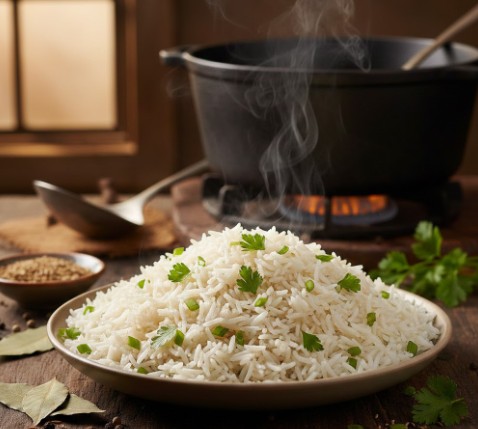
I like Jasmine when I want a softer, aromatic bed for gumbo. Its light floral scent cuts through the stew’s heaviness and adds a fresh note. Rinsing the grains well before cooking reduces surface starch and helps the rice stay more separated and fluffy. Use a gentle water ratio and short rest after cooking so the grains absorb sauce without turning gluey.
Hearty Long-Grain Brown
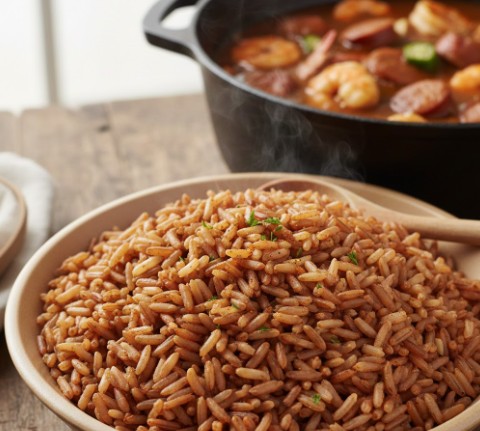
I choose long-grain brown rice when I want more fiber and a nuttier taste. Its firmer texture holds up to chunky gumbos with sausage or chicken and soaks up broth without getting mushy. Expect longer cook times and a chewier bite, and try soaking it briefly or adding a little extra liquid to speed cooking and improve tenderness.
Here’s The Rice-Solution for Gumbo
What you’ll need
I like to keep the rice simple so the gumbo shines. For three to four servings, gather:
- 2 tablespoons vegetable oil
- 2 tablespoons all-purpose flour
- 1 large onion, finely chopped
- 1 green bell pepper, diced
- 2 celery stalks, diced
- 3 garlic cloves, minced
- 6 oz andouille sausage, sliced
- 3/4 lb boneless skinless chicken thighs, cut bite-size
- 3 cups chicken broth
- 1 (14 oz) can fire-roasted diced tomatoes
- 1 bay leaf
- 3/4 teaspoon dried thyme
- 3/4 teaspoon paprika
- 1/4 teaspoon cayenne (or less, to taste)
- Salt and black pepper to taste
- 3/4 cup frozen okra, sliced (optional)
- 3/4 lb medium shrimp, peeled and deveined
- Cooked rice for serving (I prefer long-grain white or Jasmine; brown works if you want more chew)
- Chopped green onions for garnish
Prep time about 15 minutes. Simmer time around 1 hour.
How I make it
- Prep everything first: chop vegetables, slice sausage, and cut chicken. Measure spices so you can move quickly.
- Heat oil in a large pot over medium heat. Sprinkle in the flour and stir constantly to make a roux. Work until it reaches a golden brown, about 10–15 minutes.
- Add the chopped onion, bell pepper, celery, and garlic. Cook until soft, roughly 5–7 minutes.
- Toss in the sausage and chicken. Brown the chicken on all sides, about 5 minutes.
- Pour in chicken broth and diced tomatoes. Add the bay leaf, thyme, paprika, cayenne, salt, and pepper. Stir to combine.
- Bring to a boil, then lower the heat to a simmer. Cover and cook for about 30 minutes, stirring now and then.
- If using okra, stir it in and simmer another 10 minutes so it softens.
- Add the shrimp and cook until pink, about 4–5 minutes. Remove the bay leaf. Taste and adjust salt, pepper, or cayenne.
- Serve the gumbo ladled over a bed of hot cooked rice. Garnish with chopped green onions.
Notes:
- For the rice, I usually use a 2:1 water-to-rice ratio for long-grain white. Jasmine cooks similarly but adds a light floral scent.
- If you choose brown rice, cook it separately with more water and time; it’s heartier and soaks up less sauce.
- Keep the roux color in mind: darker gives deeper flavor but needs careful attention to avoid burning.
FAQs
- Q: Which rice do I usually pick for gumbo and why? A: I most often choose long-grain white rice because it stays fluffy and separates well under the stew. It soaks up the gumbo sauce without getting gluey, making each bite balanced.
- Q: Is brown rice a safe swap for white rice in gumbo? A: Yes, brown rice is safe and adds more fiber and a nuttier taste. It needs more water and about 10–15 minutes extra cooking time, so I cook it ahead or use a bit more broth to match the gumbo’s texture.
- Q: How does Jasmine or Basmati compare to standard long-grain rice for gumbo? A: I find Jasmine gives a light, fragrant note that works well with seafood gumbo. Basmati’s distinct aroma can clash with strong roux and spices, so I use Basmati less often. Both require the same water ratios as other long-grain rices.
- Q: Can parboiled rice improve the final dish? A: Parboiled rice holds its shape better when left under the hot gumbo. I use it when I expect leftovers or reheating, because it resists becoming mushy.
- Q: How do I cook rice so it best complements gumbo? A: I rinse the rice, use about 2 cups water per 1 cup rice for most long-grain types, bring to a boil, then simmer covered until water is absorbed. Fluff with a fork and serve the gumbo over a scoop of rice rather than mixing it in the pot.
- Q: Are specialty rices like wild, red, or black rice good choices? A: They add color and firm texture, but they change the traditional profile of gumbo. I might use them for a modern twist, but I avoid them when I want a classic Louisiana-style meal.
- Q: How should I handle leftovers to keep rice safe and tasty? A: I cool leftover rice quickly, store it in the fridge within two hours, and use it within 3–4 days. Reheat thoroughly to steaming hot before serving to maintain safety and texture.
Closing Thoughts
I recommend long-grain white rice as my top choice for gumbo because it soaks up the broth without turning mushy and keeps grains separate. Jasmine works well if you want a light, fragrant base, and brown rice offers more chew and fiber for a heartier meal. Parboiled rice gives consistent texture and holds up when reheating, making it a practical option for leftovers.
- Effectiveness: long-grain white and parboiled rice absorb flavor while keeping texture; jasmine adds aroma without overpowering the stew.
- Safety and eco-friendliness: all common rice types are safe when cooked properly; choose sustainably grown or certified rice to reduce environmental impact.
- Suitability: pick rice that matches your gumbo style—light, seafood-based gumbos pair with fluffy rice; rich, meaty gumbos pair with denser grains.
I suggest choosing one reliable rice type and testing small batches to find the one you prefer long-term. Doing this will help you serve gumbo that tastes balanced, feels satisfying, and holds up well for seconds and leftovers.