
Salmon Sauce: Elegant Recipes and Simple Techniques for Perfect Flavor
I love a simple sauce that lifts plain salmon into a family-friendly meal. This lemon-dill cream sauce mixes butter, lemon, fresh herbs, and a few pantry staples to make a bright, silky topping you can make in about 15 minutes.
I use it to dress pasta, mashed potatoes, or steamed veggies, and it works with baked or grilled fish. The recipe stays flexible—swap herbs, add a touch of honey, or stir in Parmesan for extra richness.
Key Takeaways
- The sauce is quick to make and uses common ingredients.
- It pairs well with pasta, potatoes, and vegetables.
- You can adjust herbs and seasonings to suit your taste.
Creamy Salmon Sauce Ingredients:
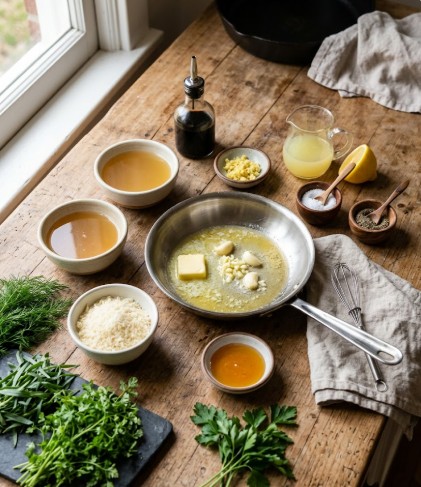
Butter
I use 1/2 cup of butter to give the sauce a silky, rich base. Choose salted if you want a little extra seasoning, or unsalted to control salt level. Melt it gently so it glazes the other ingredients without burning.
Soy Sauce
I add 1/4 cup of soy sauce for a savory depth and umami boost. It adds color and balances the richness of the butter. Low-sodium soy sauce works well if you prefer less salt.
Ginger
I include 1 teaspoon of minced fresh ginger to add bright, warm spice. It lifts the sauce and pairs nicely with soy and garlic. Grate it finely so it blends smoothly.
Lemon Juice
I squeeze 1 tablespoon of lemon juice to cut through the richness and add fresh acidity. The citrus brightens the whole sauce and complements salmon’s flavor. Fresh lemon is best for a clean taste.
Garlic
I use 3 cloves of fresh garlic, minced, to build savory aroma and complexity. Cook it briefly in the butter so it softens without turning bitter. Garlic gives the sauce a memorable backbone.
Dill
I stir in 1 teaspoon of fresh dill for a light, citrusy herb note. Dill is classic with salmon and adds a delicate green lift. Chop it finely and add near the end for best flavor.
Salt
I add 1/2 teaspoon of salt to enhance and balance the other flavors. Adjust to taste, especially if you use salted butter or soy sauce. A small pinch at a time helps avoid over-salting.
Black Pepper
I grind 1/2 teaspoon of black pepper for mild heat and a peppery finish. Freshly ground pepper gives more aroma than pre-ground. Add it gradually and taste as you go.
Chicken Stock
I use 1/2 cup of chicken stock to loosen the sauce and add savory body without extra cream. It helps create a smooth pan sauce that clings to the fish. Use low-sodium stock if you want more control over salt.
Parmesan
I fold in 1/2 cup grated Parmesan to add nutty, savory richness and a slight tang. It helps thicken the sauce and gives depth. Use finely grated cheese so it melts evenly.
Tarragon Leaves
I chop 1 tablespoon of fresh tarragon for a subtle, licorice‑like herb note. Tarragon pairs well with cream and fish when used sparingly. Add it near the end so the flavor stays bright.
Chervil
I add 1 tablespoon of finely chopped chervil for a mild, sweet herbal hint with a faint anise tone. It blends with tarragon and dill to make the sauce more complex. Use fresh chervil for best texture.
Parsley
I finish with 1 tablespoon of chopped fresh parsley for color and a clean, herbaceous lift. Parsley brightens the sauce and balances richer elements. Sprinkle on top just before serving.
Honey
I mix in 1 tablespoon of honey to tame sharp acidity and add a touch of sweet balance. It smooths the flavor without making the sauce taste overtly sweet. Adjust amount to suit your taste.
How To Make Lemon Dill Salmon Sauce:
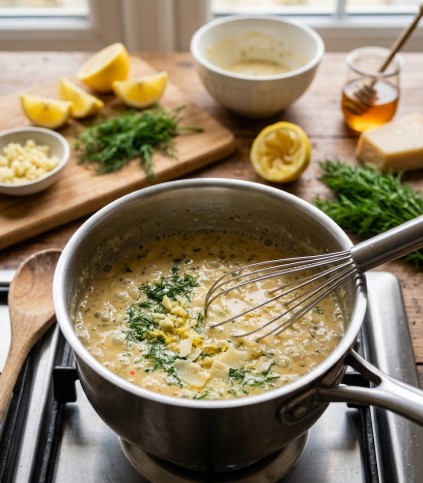
Step 1: Start the base
I melt butter in a small saucepan over medium heat. I add minced garlic and grated ginger, stirring until they soften and become fragrant without browning, about 1–2 minutes. Then I pour in low-sodium chicken stock and a splash of soy sauce, bring it to a gentle simmer, and let it reduce for about 3 minutes.
Step 2: Add cheese, sweet and tangy elements, and herbs
I stir in grated Parmesan until it melts into the liquid. Next I add honey, fresh lemon juice, and chopped dill (or other fresh herbs). I turn the heat down to low and simmer the mixture for 5–7 minutes, stirring occasionally. I keep the heat low so the sauce thickens evenly and the flavors stay bright.
Step 3: Finish and use
I remove the pan from heat once the sauce coats the back of a spoon and reaches a balanced, pourable thickness. The sauce will firm up slightly as it cools. I spoon it over baked salmon or brush it on fillets before grilling for extra flavor.
Recipe Tips & Notes:
Nutrition Details and Serving Facts
I list the main nutrition numbers so you can plan meals and portions. The values below reflect a single serving of the sauce and are estimates based on typical ingredients.
| Nutrient | Amount per serving |
|---|---|
| Calories | 230 kcal |
| Carbohydrates | 5 g |
| Protein | 2 g |
| Fat | 25 g |
- Use these figures as a guideline. Exact values change with ingredient brands and portion sizes.
- If you cut butter or cream, calories and fat drop the most. Swap heavy cream for 1 tbsp or use low-fat milk to lower fat further.
- Adding white wine instead of stock adds flavor with little change in calories. Avoid freezing the sauce; refrigeration for up to 48 hours keeps the texture and taste best.
- Taste before salting. Butter and soy sauce already add salt, so add salt sparingly.
- Fresh herbs matter. I recommend fresh tarragon or chervil for an authentic flavor; thyme, basil, and shallot work as substitutes.
- To make it sweeter, add honey; skip it if you prefer savory. Lemon zest brightens the sauce without adding calories.
Frequently Asked Questions:
1. Which sauces work best with salmon?
I prefer bright, acidic sauces that cut through the fish’s richness. Lemon-dill is my top pick for grilled or baked salmon. Other good choices I use often are teriyaki, spicy maple-mustard, pesto, hot honey-butter, yogurt-dill, and classic tartar. Each brings a different mood—sweet, tangy, herbal, or creamy—so pick one that matches the rest of your meal.
2. Can the same sauce be used for grilled and baked salmon?
Yes. I often use one sauce for grilled, baked, pan-seared, or air-fried salmon without changing it. Strong, well-balanced sauces like a spicy glaze or lemon-dill hold up across cooking methods. Just adjust when you add the sauce: brush glazes during cooking for caramelization, and spoon creamy sauces on after cooking.
3. How do I make a smooth, creamy sauce for salmon?
I build creaminess with butter, a little grated hard cheese, and a splash of cream if I want it richer. Start by sautéing aromatics in butter, add stock or a splash of lemon and then melt in Parmesan. Finish with cream or extra butter for a velvety texture, and stir in fresh herbs to brighten the flavor.
4. What side dishes pair well with salmon and sauce?
I balance the plate with a mix of vegetables, starch, and greens. Good options include roasted or mashed potatoes, mashed cauliflower, sautéed or roasted vegetables, a crisp salad, steamed rice, or crusty bread. Aim for a balance of protein, carbs, and fats to keep the meal satisfying.
Ingredients
- 1/2 cup butter
- 1/4 cup soy sauce
- 1 tsp fresh minced ginger
- 3 cloves garlic, minced
- 1 tbsp fresh lemon juice
- 1 tsp fresh dill
- 1/2 tsp salt
- 1/2 tsp black pepper, freshly ground
- 1/2 cup chicken stock
- 1/2 cup finely grated Parmesan
- 1 tbsp tarragon, chopped
- 1 tbsp chervil, chopped
- 1 tbsp parsley, chopped
- 1 tbsp honey
Instructions
- Melt butter and sauté garlic and ginger until golden.
- Add chicken stock and soy sauce; simmer about 3 minutes.
- Stir in Parmesan until melted and smooth.
- Add honey, lemon juice, dill, and the chopped herbs; simmer 5–7 minutes on low, stirring occasionally.
- Remove from heat when sauce reaches a coating consistency. Spoon over cooked salmon and serve.
Nutrition
- Calories: about 230 kcal per serving (estimate based on sauce ingredients)
Takeaway:
I make a bright, creamy herb sauce that lifts baked or grilled salmon. Lemon adds fresh tang while herbs give a mild, earthy flavor. It beats store-bought jars and lets me change herbs, garlic, or acidity to match the meal.
Pair it with salmon, quinoa, roasted veggies, and a simple salad for a balanced plate. Guests often ask for the recipe after tasting it. Keep the sauce chilled and serve within a few days for best flavor.
FAQs
Q1: What makes a sauce right for salmon, and how do I choose one?
I look for balance: acidity to cut the fish’s richness, fat for silkiness, and herbs or aromatics for brightness. Lemon, dill, mustard, or a light cream base work well. Pick a sauce that matches how you cook the salmon (grilled, baked, or pan-seared) and the level of richness you prefer.
Q2: Is it safe to add dairy or raw egg to a sauce served with salmon?
Yes, but with care. I use pasteurized dairy and avoid raw eggs unless I know they’re safe for everyone eating. If you serve vulnerable people (pregnant, elderly, or immunocompromised), choose cooked or fully pasteurized ingredients.
Q3: How long can I store salmon sauce, and how should I keep it?
I refrigerate most sauces in airtight containers for 3–5 days. Butter- or oil-based sauces last about that long; cream-based sauces can separate but stay safe. Reheat gently, and toss or whisk before serving to restore texture.
Q4: Will a sauce hide overcooked or undercooked salmon?
A good sauce can improve flavor and moisture, but it won’t fix texture problems. If salmon is overcooked and dry, a saucy glaze or butter sauce can add moisture and taste. If it’s undercooked, a sauce won’t make it safe to eat.
Q5: How do sauces differ for grilled salmon versus baked or poached salmon?
Grilled salmon pairs well with bold, acidic, or smoky sauces because of the char. Baked salmon suits creamier or herb-forward sauces. Poached salmon is delicate and benefits from light, bright sauces like lemon-dill or vinaigrette. I match intensity to cooking method.
Q6: Are there simple, low-effort sauces that still taste great?
Absolutely. I often make quick glazes from honey + mustard, olive oil + lemon + herbs, or a garlic-butter sauce. A simple vinaigrette or yogurt-dill mix also adds big flavor with minimal work.
Q7: How do I compare making my own sauce versus using a store-bought one?
Homemade sauces let me control freshness, spice, and salt, and they usually taste fresher. Store-bought options save time and can be fine in a pinch, but they may have more preservatives or salt. I choose homemade when flavor matters and store-bought when I need convenience.
Conclusion
I recommend choosing sauces that add flavor without hiding the salmon’s natural taste. I prefer options like citrus-based glazes, creamy dill, or light herb vinaigrettes because they balance richness and freshness.
I value safety and simple ingredients. I look for recipes and store-bought sauces with minimal additives, low sodium, and recognizable components. That keeps meals healthier and reduces the chance of unwanted reactions.
I also think about sustainability. I favor sauces made from responsibly sourced ingredients and those that pair well with sustainably caught or farmed salmon. This protects fish stocks and supports better farming practices.
Here are quick tips to guide your choice:
- Taste: Pick sauces that complement, not overpower, salmon.
- Health: Choose low-sugar, low-sodium, and simple-ingredient options.
- Environment: Prefer sauces with responsibly sourced ingredients.
- Use: Match sauce style to cooking method (grilled, baked, or pan-seared).
I encourage you to pick a reliable sauce and stick with it for regular meals. A well-chosen sauce makes salmon meals tastier, safer, and more eco-friendly—try one tonight and enjoy the difference.