

Pollo Tropical Guava Cheesecake Recipe
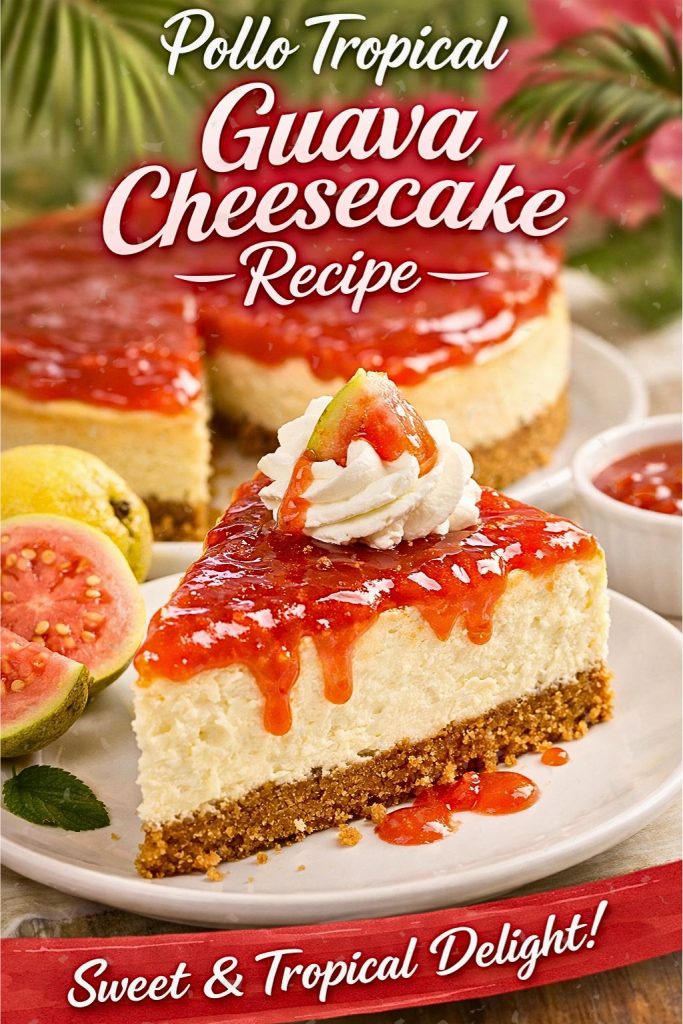
I love making desserts that feel special but are easy to share. My Pollo Tropical guava cheesecake brings a light, creamy texture and a bright guava flavor that works well after many meals or on its own at a party. It’s the kind of dessert I reach for when I want something that tastes festive without being fussy.
This cheesecake fits sunny picnics, backyard barbecues, and holiday tables. I’ll walk you through what you need and how to make it, plus a few small tweaks I use to get the best texture and flavor.
Key Takeaways
- The introduction explains the dessert’s appeal and when to serve it.
- The recipe overview covers ingredients, measurements, and basic steps.
- Notes and variations help adjust flavor and texture for different occasions.
Why This Recipe Works for You
I built this cheesecake to be simple but impressive. It uses a few easy-to-find ingredients and clear steps so you can make it without stress.
- Great for beginners: The method keeps tricky techniques to a minimum, so you can learn while you bake.
- Tastes like a specialty dessert: The guava adds bright, tropical flavor that pairs well with the creamy filling.
- Quick wins: You get big flavor without long, fussy prep or rare ingredients.
- Flexible: You can swap crusts or adjust sweetness to match your pantry or taste.
I focus on balance and straightforward steps so you finish with a dessert that looks and tastes like you worked harder than you did.
Ingredients List with Measurements
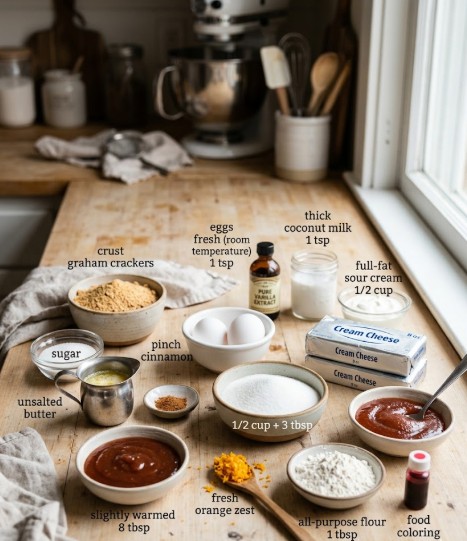
Crust Ingredients
- 1 1/2 cups crushed graham crackers
- 4 tbsp granulated sugar
- 6 tbsp unsalted butter, melted
- Pinch ground cinnamon
Filling Ingredients
- 2 large eggs, room temperature
- 1 tsp pure vanilla extract
- 1 tsp coconut milk
- 1/2 cup full‑fat sour cream
- 16 oz (2 x 8 oz) cream cheese, softened
- 1/2 cup + 3 tbsp granulated sugar
- 1/4 tsp lemon or orange zest
- 1 tbsp all‑purpose flour
- 8 tbsp guava paste, warmed slightly
- 1 drop red food coloring
How to Make Pollo Tropical Guava Cheesecake
Step 1: Make the Crust Ready
I preheat the oven to 350°F (175°C). In a bowl I mix crushed graham crackers, a bit of sugar, a pinch of cinnamon, and melted butter until the crumbs hold together. I press the mixture firmly into the bottom of a 9-inch springform pan so the layer is even. I bake the crust about 10 minutes until it looks set and slightly golden, then let it cool before adding the filling.
Step 2: Prepare the Cheesecake Filling
I beat softened cream cheese in a large bowl with an electric mixer until smooth. I add granulated sugar and a little citrus zest, mixing until combined. I add eggs one at a time, beating after each so the batter stays smooth. Then I stir in vanilla, coconut milk, and full-fat sour cream until the texture is creamy. I fold in a small amount of flour and melted guava paste gently so the guava flavor spreads through the batter without overmixing.
Step 3: Bake Gently for Best Texture
I lower the oven to 325°F (160°C) before baking. I pour the guava cheesecake batter over the cooled crust and smooth the top with a spatula. I bake the cheesecake 45–50 minutes, watching for the edges to be set while the center still has a slight jiggle. After baking, I turn off the oven and leave the cheesecake inside for about an hour to cool slowly and reduce the chance of cracks.
Step 4: Cool Down and Refrigerate
I remove the cheesecake from the oven and let it reach room temperature on a wire rack. Once it cools, I cover it loosely and chill it in the refrigerator for at least four hours. For best texture and flavor I let it rest overnight so the filling firms up fully and the guava taste sets.
Step 5: Plate and Garnish for Serving
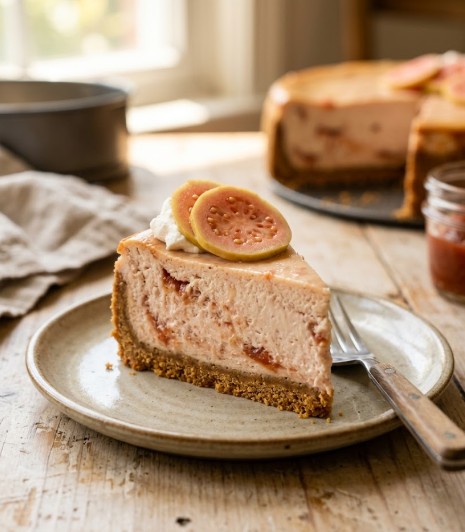
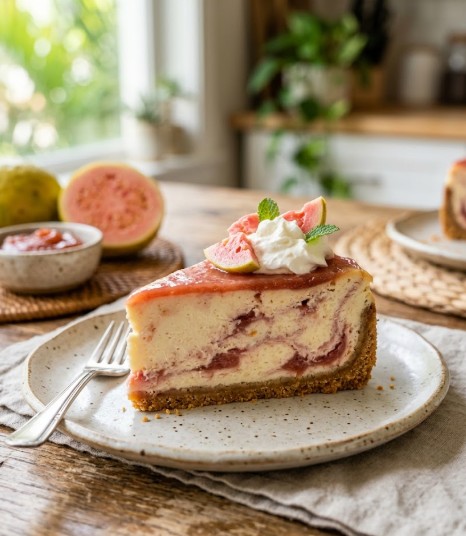
I run a thin knife around the pan before releasing the springform ring to get clean edges. I top the cheesecake with sliced fresh guava or a dollop of whipped cream, if I want extra decoration. I slice with a hot, dry knife between cuts for neat pieces, serve chilled, and enjoy.
Recipe Notes
- Crust choices: I use graham crackers for a sweet, crunchy base. For gluten-free needs, I swap in a suitable gluten-free cookie without changing the method.
- Cream cheese tip: I let cream cheese sit at room temperature for about an hour. This makes it smooth and easier to beat, so my filling has no lumps.
- Guava flavor: Guava paste gives the cheesecake its tropical kick. I grate or melt it slightly to swirl it evenly through the batter.
- Coconut option: A splash of coconut milk adds subtle richness. If I want a stronger coconut taste, I use coconut cream instead.
- Egg handling: I bring eggs to room temperature before mixing. They blend more smoothly and improve the batter’s texture.
- Sweetness level: I taste and adjust sugar to match my preference. Reducing sugar slightly keeps the guava flavor bright.
Recipe Variations
I like to change the base recipe to match the mood or guests. Try stirring small diced pineapple or mango into the filling for a bright, tropical taste. For a richer finish, I drizzle melted dark chocolate across the top just before serving. I sometimes add ground almonds or chopped walnuts to the crumb crust for extra crunch. For parties, I make mini versions in a lined muffin tin so each guest gets a single-serving cheesecake.
Pollo Tropical Guava Cheesecake Recipe
Ingredients I Use
- Crust
- 1 ½ cups crushed graham crackers
- 4 tablespoons granulated sugar
- 6 tablespoons unsalted butter, melted
- Pinch of ground cinnamon
- Filling
- 2 large eggs, room temperature
- 1 teaspoon pure vanilla extract
- 1 teaspoon coconut milk
- ½ cup full-fat sour cream
- 16 ounces (2 packages) cream cheese, softened
- ½ cup plus 3 tablespoons granulated sugar
- ¼ teaspoon lemon or orange zest
- 1 tablespoon all-purpose flour
- 8 tablespoons guava paste, slightly warmed to soften
- 1 drop red food coloring (optional, for tint)
- Optional for serving
- Fresh guava slices or whipped cream
How I Make It
- Prepare the crust: Preheat the oven to 350°F (175°C). In a bowl I mix the crushed graham crackers, sugar, melted butter, and a pinch of cinnamon until the crumbs hold together when pressed. I press the mixture into the bottom of a 9-inch springform pan to form an even layer. I bake the crust for about 10 minutes, then let it cool while I make the filling.
- Make the filling: I beat the softened cream cheese in a large bowl until smooth. I add the sugar and citrus zest and mix until combined. I add the eggs one at a time, mixing after each addition so the batter stays smooth. I stir in the vanilla, coconut milk, and sour cream until the mixture is creamy. I fold in the flour, then gently mix in the warmed guava paste. If I want a pinker hue, I add one drop of red food coloring and blend lightly.
- Bake the cheesecake: I lower the oven temperature to 325°F (160°C). I pour the batter over the cooled crust and smooth the top with a spatula. I bake the cheesecake for 45–50 minutes. The edges should look set while the center still has a slight wobble. To prevent cracking, I turn the oven off and let the cheesecake cool inside the oven for about an hour with the door slightly ajar.
- Chill and finish: After the oven step, I let the cake cool to room temperature, then transfer it to the refrigerator for at least four hours. I prefer to chill it overnight for the best texture. Before serving, I loosen the springform ring, add fresh guava slices or a dollop of whipped cream if desired, slice, and serve.
Helpful Notes from My Tests
- Crust swaps: I sometimes use Biscoff or digestive biscuits instead of graham crackers. Both give a different but pleasant base. If you need a gluten-free option, pick gluten-free crackers and press them the same way.
- Room temperature ingredients: I always let cream cheese and eggs come to room temperature. They blend more smoothly and reduce lumps.
- Guava paste handling: Guava paste can be dense. I warm it slightly in a microwave-safe bowl for 10–20 seconds or simmer briefly in a small pan to soften before mixing. That helps it swirl through the batter more evenly.
- Texture tips: Avoid overmixing once the eggs are added. Overbeating traps air and can cause cracks or sinking. Use low speed and stop as soon as ingredients are combined.
- Baking caution: If your oven runs hot, check the cheesecake 5–10 minutes earlier. The ideal doneness is firm edges with a gentle jiggle in the center.
- Cooling method: Letting the cheesecake cool slowly inside the turned-off oven reduces cracking. A water bath can help, but I find the slow-cool method works well and is simpler.
- Sweetness control: The sugar amounts work for a balanced sweetness with the guava. If you prefer less sweet, reduce granulated sugar by 2–3 tablespoons.
- Flavor swaps: If you want more tropical depth, use coconut cream instead of coconut milk or add a teaspoon of lime juice to the batter for a brighter finish.
Nutrition Snapshot Per Serving
- Serving size: about 157 g
- Calories: ~503 kcal
- Carbohydrates: ~54 g
- Protein: ~8 g
- Fat: ~28.4 g
- Cholesterol: ~123 mg
- Sodium: ~399 mg
- Fiber: ~2 g
- Sugar: ~22 g
I use these nutrition numbers as a guide. Exact values will change with brand choices, portion size, and any substitutions you make.
Tips in brief
- Warm cream cheese and eggs to room temp for smooth batter.
- Soften guava paste before mixing.
- Bake at 325°F and let cool in the oven to avoid cracks.
- Chill at least 4 hours; overnight gives best texture.
Frequently Asked Questions
1. Can I prepare this cheesecake in advance?
Yes. I recommend making the cheesecake a day ahead. Chilling it overnight helps the flavors blend and the texture firm up, so slices cut cleaner and taste better.
2. Can I store guava cheesecake in the freezer?
You can freeze it. I wrap the cake tightly in plastic wrap, then in foil to prevent freezer burn. Thaw it slowly in the refrigerator overnight before serving.
3. What can I use if I don’t have guava paste?
Use guava jam or a smooth guava puree as a replacement. Adjust sugar and thickness if needed so the topping or swirl keeps a similar texture.
4. Is there a way to make this cheesecake without eggs?
Yes. I substitute eggs with flax “eggs” (1 tablespoon ground flax + 3 tablespoons water per egg) or a commercial egg replacer. Texture may be a bit different but still tasty.
5. How can I stop the cheesecake from cracking?
I avoid cracks by mixing the batter gently and not overbeating. I also keep the oven door closed while it bakes and let the cake cool gradually—often by turning the oven off and leaving the cake inside to cool.
6. What pairs well with this guava cheesecake?
I serve it with simple complements: fresh tropical fruit, a scoop of vanilla ice cream, or a dollop of lightly sweetened whipped cream. These add balance without hiding the guava flavor.
Conclusion
I use these tips every time I make a guava cheesecake. They help with planning, storage, texture, and serving so the dessert turns out well and stays enjoyable for guests.
FAQs
- What makes my Pollo Tropical guava cheesecake different from a regular cheesecake?
I combine a classic creamy cheesecake base with a sweet guava topping or swirl. The guava adds a bright, fruity contrast to the rich cream cheese, and I often use a buttery graham or cookie crust to balance the flavors. - Is this cheesecake safe to make ahead and store?
Yes. I recommend refrigerating the cheesecake for at least 4–6 hours, preferably overnight, to set. Store it covered in the fridge for up to 4–5 days. For longer storage, wrap tightly and freeze for up to 1 month; thaw in the refrigerator before serving. - How do I make the guava topping or swirl?
I melt guava paste with a little water, orange juice, or lime juice until it becomes spreadable. Then I either spread it on top after baking or spoon and swirl it into the batter before baking for a marbled effect. - Are there safety concerns or common issues I should watch for?
I always beat the cream cheese until smooth to avoid lumps and bake or chill the cheesecake long enough to set. If baking, avoid cracks by cooling slowly: turn off the oven, crack the door, and let the cake cool inside before refrigerating. - How does this recipe compare to other tropical cheesecakes?
In my experience, using guava paste gives a more intense, authentic flavor than guava jams with lots of added water. Compared to mango or pineapple versions, guava offers a uniquely floral and slightly tart note that pairs well with lime or cream cheese. - What maintenance or care does the cheesecake need after serving?
I keep leftovers tightly covered in the fridge to prevent drying and flavor transfer. If the topping separates slightly, I gently stir or reheat a small portion of guava paste and smooth it back on before serving. - Can I adapt the recipe for a no-bake version or dietary needs?
Yes. I use softened cream cheese, whipped cream or condensed milk, and a gelatin or agar setting agent for a no-bake version. For a gluten-free crust, I swap gluten-free cookies or nuts for the graham crackers. For lower sugar, I reduce added sugar and choose lower-sugar guava paste or use fresh guava purée with a small sweetener adjustment.
Conclusion
I recommend this Pollo Tropical guava cheesecake for anyone who wants a simple, tropical dessert that still feels special. The creamy cheesecake and sweet guava topping work well together, and you can make it without baking if you need a quicker option.
I find the recipe safe and easy to follow. Common ingredients like cream cheese, graham or Maria cookies, and guava paste keep preparation straightforward. You can adjust sweetness or add lime for brightness without changing the overall balance.
I also see this cheesecake as a practical choice for gatherings. It stores well, travels easily, and stays fresh in the fridge for several days. If you want a more eco-friendly option, use local cookies and guava paste from glass jars or bulk bins.
Choose a trusted recipe source and quality ingredients for the best results. With a reliable method, this dessert gives consistent flavor and texture every time, so I encourage you to try it and make it your own.