
Peach Cobbler Recipe: Classic Southern Dessert
Peach cobbler feels like a classic for a reason: warm, sweet peaches under a buttery topping make a simple dessert that comforts and satisfies. I’ve always linked this cobbler to slow summer days with family, and I like that the recipe forgives small mistakes—adjust a little sugar for tart fruit or add a touch more thickener if the filling turns out very juicy.
This version keeps things easy and reliable so even a first-timer can get good results. I’ll show a straightforward method and helpful tips to get a well-balanced filling, a tender crust, and serving ideas that make the cobbler feel special without extra fuss.
Key Takeaways
- Use simple adjustments to balance peach sweetness and filling thickness.
- A forgiving recipe makes a tender crust and juicy filling easy to achieve.
- Serve warm with classic toppings and store leftovers properly.
Fresh, Frozen, or Canned Peaches: Which to Pick?
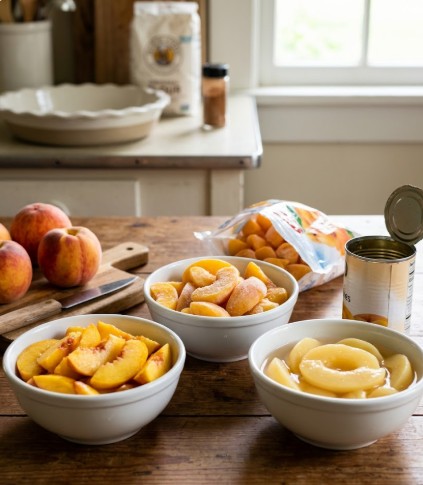
I use whatever peaches fit the moment. Fresh peaches give the best texture and a bright, slightly tart flavor when they’re ripe. Frozen peaches work well any time; they were picked at peak ripeness and keep strong flavor after thawing and draining. Canned peaches are soft and very sweet, so they’re handy when fresh fruit isn’t available—just drain them well to avoid a soggy filling. If the fruit tastes mild, I add a bit more sugar before baking. Bold choices: fresh = texture, frozen = convenience, canned = shelf-stable.
How I Nail a Flaky, Golden Cobbler Top
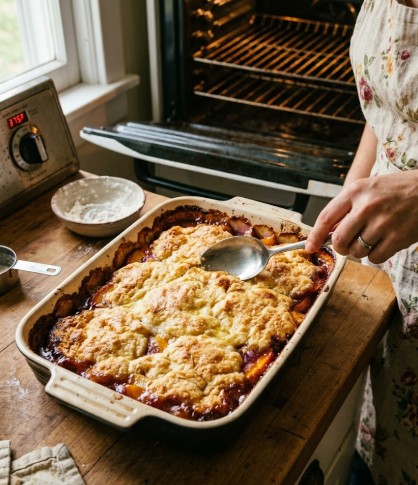
I start by melting butter in the baking dish as the oven heats so edges brown and crisp.
I pour batter over the melted butter without stirring; this lets the batter rise around the fruit.
I spoon the peaches on top, keeping the fruit distribution even for steady baking.
- Measure ingredients exactly to avoid a heavy or runny finish.
- Aim for a golden color and slight crunch at the edges for that classic Southern mouthfeel.
Serving Ideas for Peach Cobbler
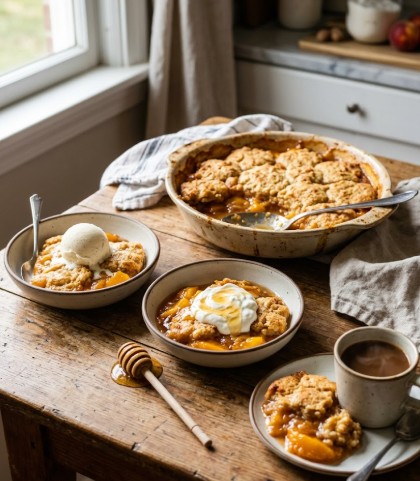
I serve warm peach cobbler with a scoop of vanilla ice cream for a classic pairing.
For a lighter bite, I spoon Greek yogurt alongside to add a tangy balance.
I sometimes drizzle caramel or honey for extra sweetness.
Leftovers make a great breakfast — I heat a small portion and enjoy it with my morning coffee.
Keeping and Warming My Peach Cobbler
I store cobbler covered at room temperature for up to one day.
I keep leftovers in an airtight container in the fridge for up to three days.
For longer storage, I freeze baked cobbler for as long as two months and thaw it overnight in the fridge.
I reheat in a 350°F oven for 10–15 minutes to preserve a crisp topping.
I only use the microwave when I need a quick warm-up, knowing it will soften the crust.
Frequently Asked Questions About Peach Cobbler
I answer common peach cobbler questions below to help you get reliable results every time.
- Can I use frozen peaches?
Yes. I thaw them fully, drain any extra liquid, and pat them dry. This keeps the filling from becoming too watery. - How should I thicken the filling?
I mix 1–2 tablespoons of cornstarch or flour with a little cold water to make a slurry, then stir it into the fruit before baking. - Can I change the recipe size?
I double or halve recipes often. I keep ingredient ratios the same and watch baking time—larger pans may need a few extra minutes. - Do peaches need peeling?
Not always. The skin gets soft when baked, but I blanch and ice the fruit for 60 seconds if I want a smoother texture. - Can I prep ahead?
Yes. I store filling and batter separately in the fridge, then assemble and bake when I’m ready.
You’ll Surely Love This Easy Peach Cobbler Recipe
What you’ll need
- Peach layer
- 4 cups fresh peeled and sliced peaches, or 2 cans sliced peaches (drained), or 1 bag frozen peaches (thawed and drained)
- 1/2 cup granulated sugar
- 1/2 teaspoon ground cinnamon (optional)
- Batter
- 1 cup all-purpose flour
- 1 cup granulated sugar
- 2 teaspoons baking powder
- 1/4 teaspoon salt
- 1 cup milk
- 1/2 cup (1 stick) unsalted butter, melted
- Extras (optional)
- 1 teaspoon vanilla extract
- 1/2 teaspoon nutmeg or cardamom
- Zest of 1 lemon
- 1/2 cup chopped pecans or almonds
Time: Prep 15 minutes, Bake about 45 minutes, Total ~1 hour.
I bolded the main parts to make shopping and prep quick. Use fresh peaches for the best texture, canned to save time, or frozen when fresh aren’t in season.
Step-by-step directions
- Preheat the oven to 350°F (175°C). Put the butter in a 9×13-inch baking dish and let it melt while the oven heats.
- Toss the peaches with 1/2 cup sugar and the cinnamon (and lemon zest if using). If your peaches are firm, simmer them briefly in a small pan to soften, then cool.
- Whisk the flour, 1 cup sugar, baking powder, and salt in a bowl. Stir in the milk until smooth. Add vanilla if you want extra flavor.
- Pour the batter over the melted butter in the baking dish. Do not stir. Spoon the peach mixture and any juices over the batter so the fruit sits on top.
- Sprinkle nuts or spices over the fruit if using. Bake for 40–45 minutes until the top is golden and juices bubble at the edges. A toothpick in the crust should come out clean.
- Let it cool a few minutes, then serve warm. I like a scoop of vanilla ice cream, but whipped cream works well too.
FAQs
Q: How do I know this peach cobbler will bake through without a soggy center?
I preheat the oven and use a hot baking dish so the filling starts bubbling quickly. I also slice peaches evenly and, if they’re very juicy, I toss them with a little extra flour or cornstarch to thicken the juices. I check for bubbling around the edges and a golden top as signs it’s done.
Q: Is this cobbler safe for people with food allergies?
I can adapt the recipe for common allergies. For dairy-free, I swap butter for a plant-based spread or oil. For gluten-free, I use a cup-for-cup gluten-free flour blend. I always clean tools and surfaces to avoid cross-contact if I’m cooking for someone with severe allergies.
Q: How long will leftovers stay good, and how should I store them?
I cool the cobbler to room temperature, then cover and refrigerate. It keeps well for 3–4 days. To reheat, I warm individual portions in the microwave or the whole dish in a 350°F (175°C) oven until hot and bubbly.
Q: Can I use canned peaches instead of fresh ones, and does it change the recipe?
Yes. I drain canned peaches slightly to avoid excess liquid, then reduce added sugar since canned fruit may be sweeter. I may also cut the thickener amount (flour or cornstarch) by about a quarter if the canned syrup is thick.
Q: How does this cobbler compare to a peach crisp or pie?
A cobbler has a biscuit-like or batter topping that bakes over the fruit, giving soft, cake-like patches. A crisp has a streusel topping with oats and butter that stays crunchy. A pie uses a full crust that seals the filling. I pick a cobbler when I want a quick, rustic dessert with a soft, bready top.
Q: What maintenance or prep tips help me get consistent results every time?
I weigh or measure ingredients carefully, use ripe but firm peaches, and let the filling sit briefly after mixing so the sugar and thickener start working. I rotate the dish once while baking for even color and test doneness with a toothpick in the topping or by checking for bubbling fruit.
Q: Is this method effective for preserving peach flavor in out-of-season fruit?
I find that using canned or frozen peaches preserves good flavor year-round. For frozen fruit, I thaw and drain excess liquid first. For canned, I choose fruit packed in juice rather than heavy syrup, then adjust sugar so the peach flavor stays bright.
Conclusion
I recommend this peach cobbler approach because it delivers consistent, crowd-pleasing results with simple ingredients and clear steps. The recipe balances juicy peaches with a buttery, golden topping, and it works with fresh or canned fruit so you can make it year-round.
I value safety and ease in the kitchen, so this method uses common baking temperatures and basic techniques that reduce risk and waste. It also keeps cleanup low and lets you freeze leftovers for later, which makes it a practical, eco-friendly choice.
For the best long-term results, pick ripe peaches or high-quality canned fruit, use real butter when possible, and follow timing and temperature guidelines. Those choices improve flavor, texture, and shelf life.
I encourage you to try the recipe, tweak it to your taste, and keep a reliable version in your recipe box. You’ll enjoy a dependable dessert that’s both comforting and versatile.