
Lemon Rice Soup — Bright, Comforting Broth with Fragrant Herbs and Tender Grains
Many cooks say any rice will work in lemon rice soup, but I disagree. The rice you pick changes the soup’s texture and feel, so choosing the right grain helps you get the result you want.
I focus on three top choices that match common goals: a very creamy soup, a light clear broth, or a middle-ground option that balances creaminess and grain flavor. I’ll explain which rice fits each goal and why those differences matter.
Key Takeaways
- Choose a short, starchy rice when you want a rich, creamy lemon rice soup.
- Pick a long-grain white rice to keep the broth light and clear.
- Use a fragrant medium-grain rice for a balanced texture and flavor.
Best Rice for Creamy Lemon Rice Soup: Arborio Rice

Why I Pick Arborio for a Silky Avgolemono
I choose Arborio because it releases a lot of starch as it cooks, which thickens the broth without adding cream or flour. That starch gives the soup a smooth, velvety body that coats the spoon.
Arborio grains swell and soften on the surface but often keep a slight bite inside. That contrast keeps the soup from becoming mushy while still feeling rich.
The short, plump grains soak up lemon, stock, and seasonings well. Each spoonful carries the tang and savory notes, so the rice adds both texture and flavor.
- Key traits:
- High starch = natural thickener
- Tender outside, firmer center = good mouthfeel
- Strong flavor uptake = well-seasoned grains
I find a moderate amount of Arborio gives the best balance between creaminess and structure.
Best Rice for Lighter Lemon Rice Soup: Long-Grain White Rice
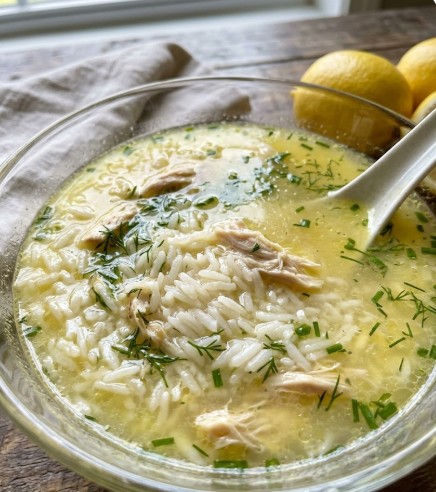
Why I Choose Long-Grain White Rice for a Clearer Avgolemono
I pick long-grain white rice when I want a lighter, more transparent lemon soup. It releases less starch than short- or medium-grain types, so the broth stays bright instead of turning thick and creamy.
I also like that its flavor is mild. The rice won’t compete with the lemon, chicken stock, or herbs, so the soup’s tang and savory notes remain the focus.
Practicality matters to me. Long-grain white rice is easy to find in most stores and stores well in the pantry, so I can make the soup without hunting for special grains.
Tips I follow:
- Rinse briefly to remove surface starch but avoid soaking, which can make grains break down.
- Add the rice directly to simmering broth and watch the cooking time to prevent overcooking.
These steps help me keep the soup clear, light, and flavorful while still giving a satisfying bite.
Best Rice for a Balanced Lemon-Rice Broth: Jasmine

I choose jasmine when I want a middle ground between silky and light. Its long grains add a gentle creaminess without turning the soup into porridge. I get a pleasant, slightly sticky texture that holds the lemony broth together while still keeping the liquid clear and drinkable. Use jasmine for a smooth, balanced Avgolemono-style soup.
Soup-erior Rice Varieties for Lemon Rice Soup
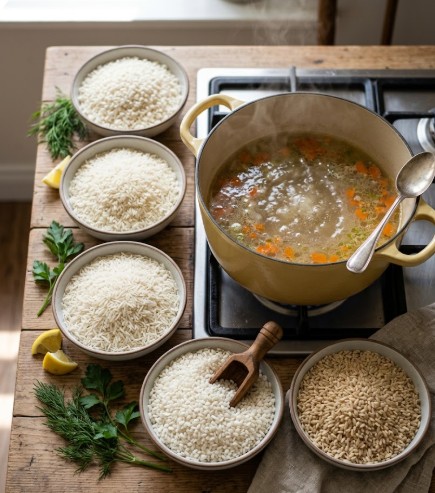
What goes into the pot
- 1 tablespoon olive oil
- 1 small onion, finely chopped
- 2 cloves garlic, minced
- ½ cup shredded carrots
- 4 cups low-sodium chicken broth
- ½ cup Arborio rice (or alternative listed below)
- 1 cup shredded rotisserie chicken
- ¼ cup fresh lemon juice (about 1 lemon)
- 2 large eggs
- ½ teaspoon salt, more to taste
- ¼ teaspoon black pepper, more to taste
- 2 tablespoons fresh dill
- 2 tablespoons fresh parsley, chopped for garnish
Notes:
- I list Arborio as the base because it makes a creamy texture without adding dairy.
- If you prefer a lighter broth or different texture, swap Arborio for one of the rice types I describe below.
- Keep eggs and lemon separated until tempering to avoid curdling.
How I make it
- Heat the olive oil in a large saucepan over medium heat. Add onion and garlic; cook until translucent, about 3 minutes.
- Stir in shredded carrots and cook 1–2 minutes. Add broth and bring to a simmer.
- Add your chosen rice and cook until tender. Timing varies: short-grain will thicken faster; long-grain stays looser.
- While rice cooks, whisk eggs and lemon juice in a bowl. Slowly ladle hot broth into the egg-lemon mix, whisking constantly to temper the eggs.
- Reduce heat to low. Pour the tempered mixture back into the pot and stir gently. Do not let the soup boil after adding eggs.
- Add shredded chicken and warm through for about 5 minutes. Adjust salt and pepper.
- Stir in fresh dill, ladle into bowls, and top with parsley.
Rice swap guide (short notes):
- For creamy soup: use Arborio or another short-grain rice. It releases starch and thickens the broth.
- For lighter broth: pick long-grain white or Jasmine rice. They keep grains separate and the broth clearer.
- For a middle ground: try medium-grain rice; it offers some creaminess but stays less heavy than Arborio.
Quick tips:
- Cook rice a little underdone if you plan to simmer after adding eggs and chicken.
- Always temper the eggs to prevent scrambling.
- Taste and season at the end; lemon and salt balance each other.
FAQs
- What makes this lemon rice soup different from other brothy rice soups?
I use a bright lemon base with a silky egg finish that gives the soup both tang and creaminess without heavy dairy. The rice adds body so each spoonful feels filling but still light. - Is this soup safe for people with egg allergies or who avoid eggs?
The classic version uses beaten eggs for texture. I can skip the eggs and gently blend a portion of the cooked rice into the broth to thicken it, which keeps flavor similar while making it egg-free. - How well does the recipe work for cold or flu relief?
Warm, clear broths with lemon and rice comfort many people when sick. The soup provides hydration, easy-to-digest carbs, and a little vitamin C from lemon juice, which can help appetite and comfort but is not a medical treatment. - Can I make this soup in large batches and store it safely?
Yes. Cool the soup quickly, refrigerate within two hours, and use within 3–4 days. For longer storage, freeze in portions for up to 3 months. Reheat gently and add a splash of broth or water if rice has absorbed too much liquid. - How does lemon rice soup compare to cream-based soups in calories and heaviness?
I find lemon rice soup is usually lower in calories and feels lighter because it relies on broth and eggs (or blended rice) instead of cream. It still tastes rich but won’t weigh you down like heavy cream soups. - What maintenance or care do I need while cooking to avoid curdled eggs?
Temper the eggs: whisk them in a bowl, then slowly add a ladle of hot broth while stirring. Once warmed, pour the egg mixture back into the pot off the heat and stir gently. This prevents scrambling and yields a smooth texture. - Is this recipe adaptable for vegetarians or vegans?
For vegetarians, use vegetable stock and keep the eggs (unless they avoid eggs). For vegans, replace eggs with blended cooked rice or a small amount of plant-based cream to thicken, and use vegetable broth. Adjust lemon and salt to balance flavor. - How does this soup hold up as meal prep or a quick weekday dinner?
It holds up well: you can cook the rice ahead, keep stock on hand, and finish the soup in 10–15 minutes. I often prepare components ahead for fast assembly on busy nights.
Final Thoughts
I find lemon rice soup a simple, reliable choice that blends bright lemon, tender rice, and soothing broth into a nourishing bowl. It works well as a light meal, starter, or remedy when you want something gentle and flavorful.
- Effectiveness: The soup delivers clear benefits—easy digestion, quick prep, and a satisfying balance of acidity and creaminess.
- Safety and diet: Made with basic, whole ingredients, it fits many diets and is easy to adapt for allergies or preferences.
- Eco-friendliness: Using seasonal lemons and pantry staples keeps waste low and reduces reliance on processed foods.
- Long-term use: I recommend choosing fresh, quality ingredients and a trusted recipe to keep this soup reliable and enjoyable over time.
Try a trusted recipe, tweak the lemon and seasoning to your taste, and enjoy a dependable, nourishing dish that fits many occasions.