
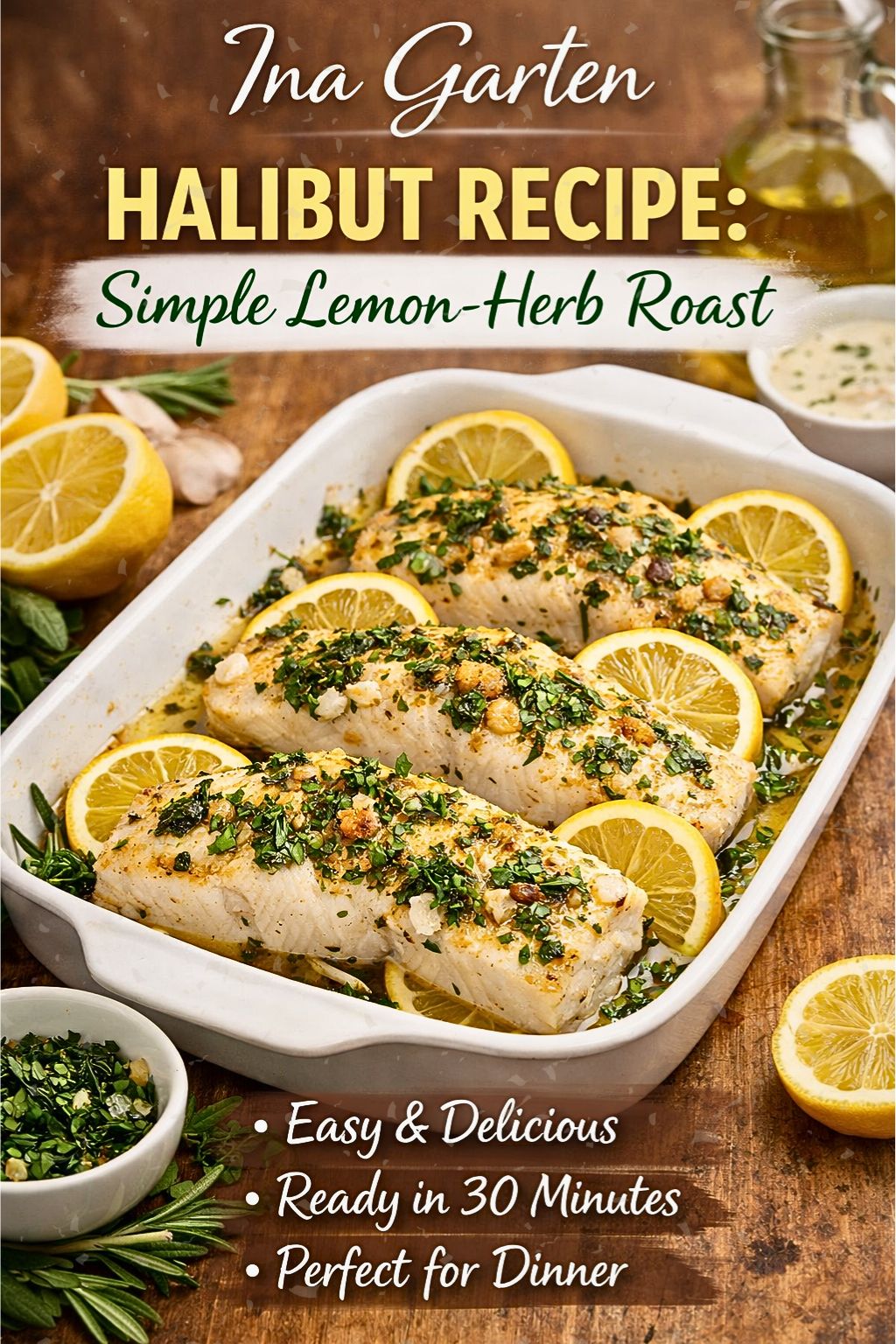
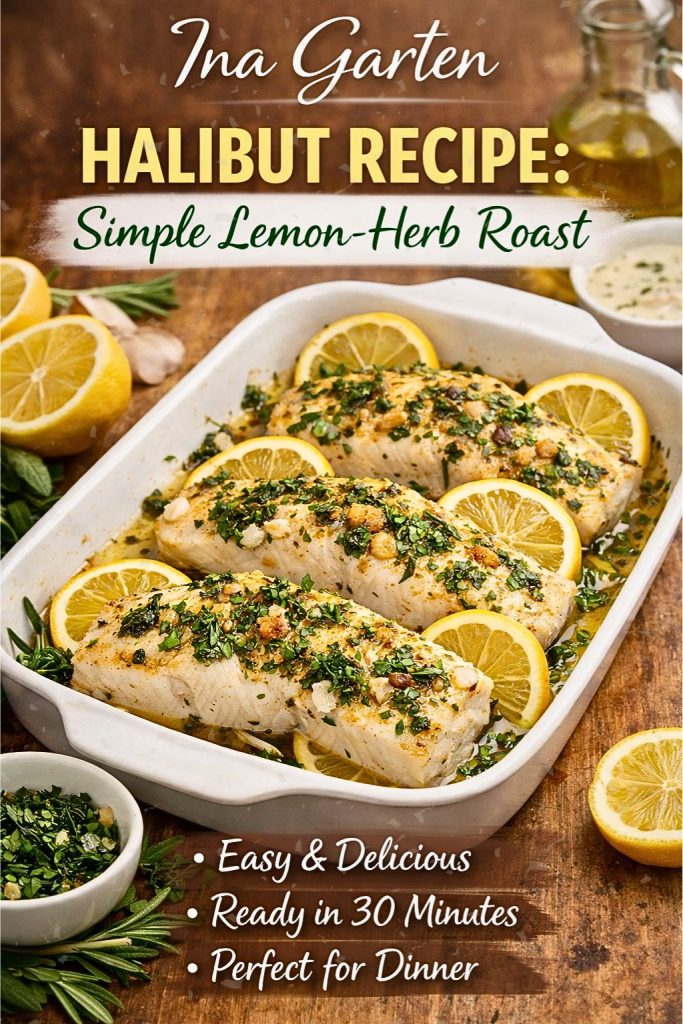
Ina Garten Halibut Recipe: Simple Lemon-Herb Roast
I love recipes that feel fancy but are actually simple to make, and Ina Garten’s halibut fits that description. I’ll share a clear, step-by-step look at the dish so you can cook moist, flavorful halibut with basic ingredients and easy techniques.
I’ll also cover how it tastes, what pairs well with it, and practical tips for storing and reheating leftovers. My goal is to give you a reliable guide that builds your kitchen confidence and helps you serve a dish worth sharing.
Key Takeaways
- This recipe is easy to follow and suits cooks of all levels.
- The halibut has a bright, herb-forward flavor that pairs well with simple sides.
- Clear storage and reheating tips help keep the fish tender and safe.
What I Make with Ina Garten’s Halibut
I roast thick halibut fillets seasoned with salt and pepper, then spoon over a mix of olive oil, garlic, lemon zest, and chopped parsley. I place the fish in a baking dish so it cooks gently and stays moist. The flavors stay bright and simple, letting the halibut’s firm, meaty texture stand out.
What Does It Taste Like?
I find the halibut mild and clean, with a subtle sweetness that lets the fish lead. Light herbs and a squeeze of lemon add bright, fresh notes without masking the fish. The seasoning brings a gentle savory edge and a touch of tang. Cooked just right, the fillet stays moist and flakes easily, so each bite feels tender and balanced.
How I First Found Ina Garten’s Halibut
I found Ina Garten’s halibut recipe in 2021 while hunting for a simple new dinner idea. The recipe’s short ingredient list and easy steps stood out, so I decided to try it on a weeknight.
The fish came out flaky and tender, and the bright sauce lifted the whole dish. It was quick to make and required little fuss, which fit my busy evenings.
- Why I kept making it:
- Fast prep and cook time
- Minimal, fresh ingredients
- Reliable, tasty results
That first success turned this recipe into one of my regular go-to meals.
How To Make Ina Garten Halibut Recipe?
What You’ll Need
I use simple, fresh ingredients to keep the halibut light and bright. Gather the following:
- 4 halibut fillets (about 6 ounces each), skinless and patted dry
- 1/2 cup extra-virgin olive oil
- 2 tablespoons fresh lemon juice (about one lemon)
- 2 garlic cloves, minced finely
- 1 1/2 tablespoons fresh parsley, chopped small
- 1 1/2 teaspoons dried basil
- 1 teaspoon salt
- 1 teaspoon freshly ground black pepper
I like to prep a rimmed baking dish or sheet lined with parchment paper to keep the fish moist and make cleanup easy. A small bowl for the marinade and a brush or spoon to coat the fillets help speed the process.
Simple Prep Notes
- Combine the olive oil, lemon juice, minced garlic, parsley, dried basil, salt, and pepper in a bowl and whisk until blended.
- Spoon or brush the mixture over both sides of each fillet so they’re evenly coated.
- Arrange the fillets in the baking dish with a bit of space between them. If I want extra moisture, I tuck a small sprig of rosemary or a lemon slice on top of each fillet.
Quick Cook Tips
- Bake at 400°F (205°C) for about 12–15 minutes, depending on thickness, until the fish flakes easily with a fork.
- For a grilled version, oil the grates, cook over medium-high heat 3–4 minutes per side, and finish with a squeeze of lemon.
- Taste and adjust seasoning after cooking; I often add a pinch more salt or a final splash of lemon juice before serving.
These steps keep the halibut tender, with a mild, fresh flavor that pairs well with simple sides like steamed vegetables or a green salad.
Step By Step Recipe of Ina Garten Halibut
Tools I Use
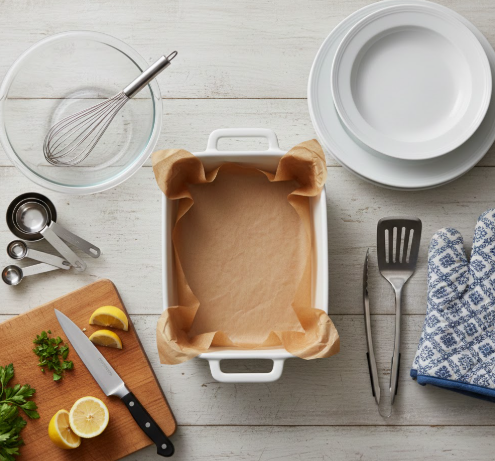
- Baking dish lined with parchment paper
- Measuring spoons and cups
- Small mixing bowl and whisk (or fork)
- Sharp knife and cutting board
- Tongs or a spatula
- Oven mitts
- Serving plates or platter
What Goes Into It
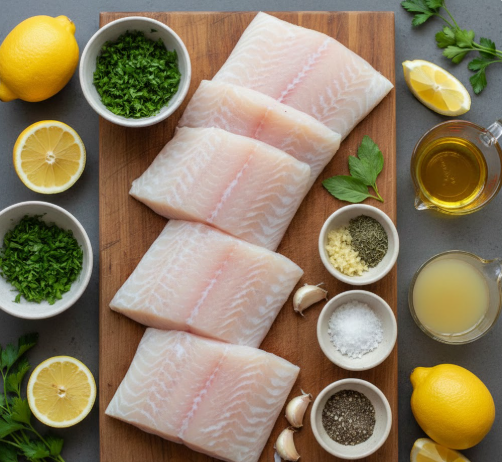
- 4 halibut fillets (about 6 oz each)
- 1/2 cup extra-virgin olive oil
- 2 tablespoons fresh lemon juice
- 2 garlic cloves, minced
- 1 1/2 tablespoons fresh parsley, chopped
- 1 1/2 teaspoons dried basil
- 1 teaspoon sea salt
- 1 teaspoon freshly ground black pepper
How I Make It
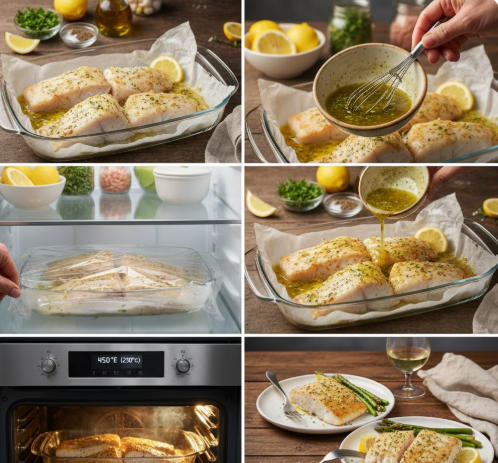
- I line a shallow glass or baking dish with parchment to keep the fish from sticking.
- I place the halibut fillets in a single layer in the prepared dish.
- I whisk together olive oil, lemon juice, minced garlic, chopped parsley, dried basil, salt, and pepper in a small bowl until well combined.
- I pour the mixture over the fillets, turning them gently so each piece gets coated.
- I cover the dish and chill it in the refrigerator for about 1 hour to let the flavors soak in.
- I preheat the oven to 450°F (230°C) while the fish marinates.
- I remove the dish from the fridge and drain off any excess marinade.
- I bake the fillets uncovered for about 15 minutes, or until the fish flakes easily with a fork. Thicker fillets may need a few more minutes.
- I transfer the cooked halibut to plates and serve immediately with lemon wedges or your preferred sides.
Nutrition Snapshot
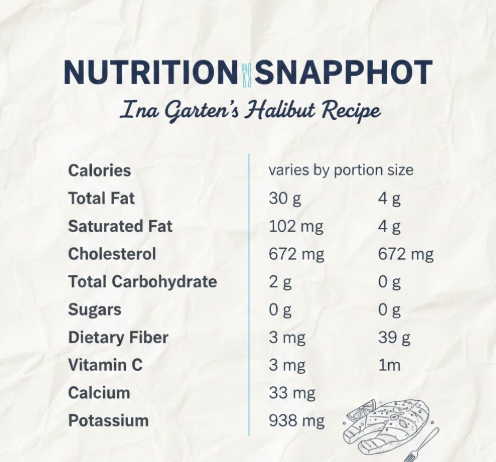
- Calories: varies by portion size
- Total Fat: 30 g
- Saturated Fat: 4 g
- Cholesterol: 102 mg
- Sodium: 672 mg
- Total Carbohydrate: 2 g
- Dietary Fiber: 0 g
- Sugars: 0 g
- Protein: 39 g
- Vitamin C: 3 mg
- Calcium: 33 mg
- Iron: 1 mg
- Potassium: 938 mg
Notes:
- Baking time depends on fillet thickness; check early to avoid overcooking.
- I recommend serving immediately for best texture and flavor.
What To Pair with My Ina Garten Halibut
I like serving the halibut with lemon-herb rice or garlic mashed potatoes. Roasted vegetables—especially asparagus, cherry tomatoes, or zucchini—add color and texture. Steamed broccoli keeps things light. A simple mixed green salad with vinaigrette adds brightness and balances the meal.
How I Store and Reheat Ina Garten Halibut
I cool cooked halibut completely, then seal it in an airtight container and keep it in the fridge for up to 3 days. For longer storage, I wrap fillets tightly in plastic wrap or foil, place them in a freezer-safe container or bag, and freeze them for up to 3 months.
When reheating from frozen, I thaw the fish in the refrigerator overnight. I reheat gently to keep the fish moist:
- Microwave: low power in short bursts, checking often.
- Oven: place in a covered baking dish at 350°F (175°C) for 15–20 minutes, until warm through.
I always check that the fish smells and looks fresh before eating. Proper cooling, sealing, and reheating help prevent spoilage and keep the halibut tender.
Can I Eat Ina Garten’s Halibut Dish While Pregnant?
I can eat Ina Garten’s halibut recipe if I make a few safe choices. I should ensure the fish is fully cooked to a safe internal temperature and served hot. I must avoid any raw or undercooked components, and I should choose halibut portions in moderation because of mercury concerns.
- Cooked thoroughly: yes
- Sausage or add-ins: must be fully cooked
- Mercury: limit servings to recommended weekly amount (check local guidance)
Frequently Asked Questions
Can I swap halibut for another firm white fish?
I often use other firm white fish if halibut is unavailable. Good options are cod, sea bass, or mahi-mahi. Watch the thickness and reduce cooking time for thinner fillets so they don’t overcook.
Is there a non-alcoholic swap for the white wine?
I replace white wine with an equal amount of chicken or vegetable broth when I skip alcohol. Broth adds moisture and a mild savory flavor without changing the dish much.
Can I change the herbs in the crust?
I change the herb mix to match what I have or want to taste. Try parsley, thyme, dill, or add lemon zest for brightness. You can also mix herbs and breadcrumbs for texture or use butter or olive oil to bind the crust.
How can I tell when the fish is done?
I check for doneness by looking for opaque flesh that flakes easily with a fork. For a precise check, the center should reach about 130–135°F (54–57°C) before resting. If you don’t use a thermometer, test by gently pressing the fish — it should feel firm but still tender.
- Quick doneness checklist:
- Flesh is opaque
- Fish flakes with a fork
- Center feels firm, not mushy
Final Thoughts
I find this halibut approach simple and reliable, perfect for busy weeknights or small dinner parties. The method highlights the fish’s natural taste while adding bright, fresh notes from basic seasonings.
I like that the steps are easy to follow and use common ingredients, so you spend less time prepping and more time enjoying the meal. The cooking technique keeps the fillet moist and flaky without fuss.
If you want variations, try a light herb vinaigrette, a squeeze of lemon, or a crispy breadcrumb topping to change textures and flavors. Pair the fish with roasted vegetables, a green salad, or a light grain for a balanced plate.
Tips I use: pat the fish dry before seasoning, preheat the oven or grill for even cooking, and check doneness at the thickest part to avoid overcooking. These small actions make a noticeable difference in texture and taste.
- Keep ingredients fresh.
- Use a gentle cooking temperature.
- Rest briefly before serving.
These steps help you deliver a simple, elegant halibut dish with consistent results.
FAQs
- What makes Ina Garten’s halibut method reliable for moist, flaky fish?
I use gentle cooking and simple seasoning to highlight the fish. Baking at a moderate temperature or quick grilling keeps the halibut from drying out. Wrapping in parchment or finishing with a bright sauce also locks in moisture and adds flavor without heavy ingredients. - Is this recipe safe for people with food allergies or sensitivities?
I can adapt the recipe easily. Halibut, lemon, olive oil, salt, and pepper are common safe choices. I swap ingredients like dairy, nuts, or capers when needed and recommend checking labels for any packaged items to avoid cross-contamination. - How long does the halibut stay good after cooking?
I store cooked halibut in an airtight container in the fridge for up to 3 days. For best flavor and texture, I eat it within 24–48 hours. I freeze leftovers for up to 1 month; thaw in the fridge before reheating gently. - What simple maintenance tips keep the recipe consistent each time?
I pat fillets dry before seasoning to ensure even browning. I use an instant-read thermometer and cook until the thickest part reaches about 130–135°F for slightly opaque, flaky fish. I rest the fish a few minutes after cooking to let juices settle. - How does Ina Garten’s halibut compare to other seafood cooking methods?
I find baking in parchment and quick grilling are both gentle and let the fish’s flavor shine. Poaching yields a milder texture, while pan-searing gives a stronger crust. Each method has trade-offs: baking and grilling balance ease and flavor best for halibut. - Can I make the sauce or seasoning ahead of time?
I often make herb vinaigrettes, tomato-caper sauces, or lemon-butter mixtures a day ahead. Cooling and storing them in the fridge helps flavors mingle. I bring them to room temperature or warm gently before serving. - What side dishes pair well and keep the meal light and balanced?
I serve halibut with simple sides like steamed green beans, roasted asparagus, a light salad, or lemony rice. These choices complement the fish without overpowering it and keep the meal fresh and balanced.
Final Thoughts
I recommend Ina Garten’s halibut approach when you want an easy, reliable way to make fish that tastes like it came from a good restaurant. I find the method highlights the fish’s natural flavor with minimal ingredients and gentle cooking so the texture stays flaky and moist.
- Effectiveness: The simple seasoning and short cooking time deliver consistent, well-cooked halibut.
- Safety: Quick cooking at moderate heat reduces overcooking and keeps food safe when you follow basic handling and temperature checks.
- Eco-friendliness: Choose sustainably sourced halibut or an alternative white fish to lower environmental impact.
- Suitability: This recipe fits weeknight dinners, small gatherings, and cooks of all skill levels.
I suggest using fresh, high-quality fish, a reliable cooking thermometer, and sustainable seafood choices for the best long-term results. Try the method tonight and see how easily you can serve a flavorful, elegant halibut dish.