
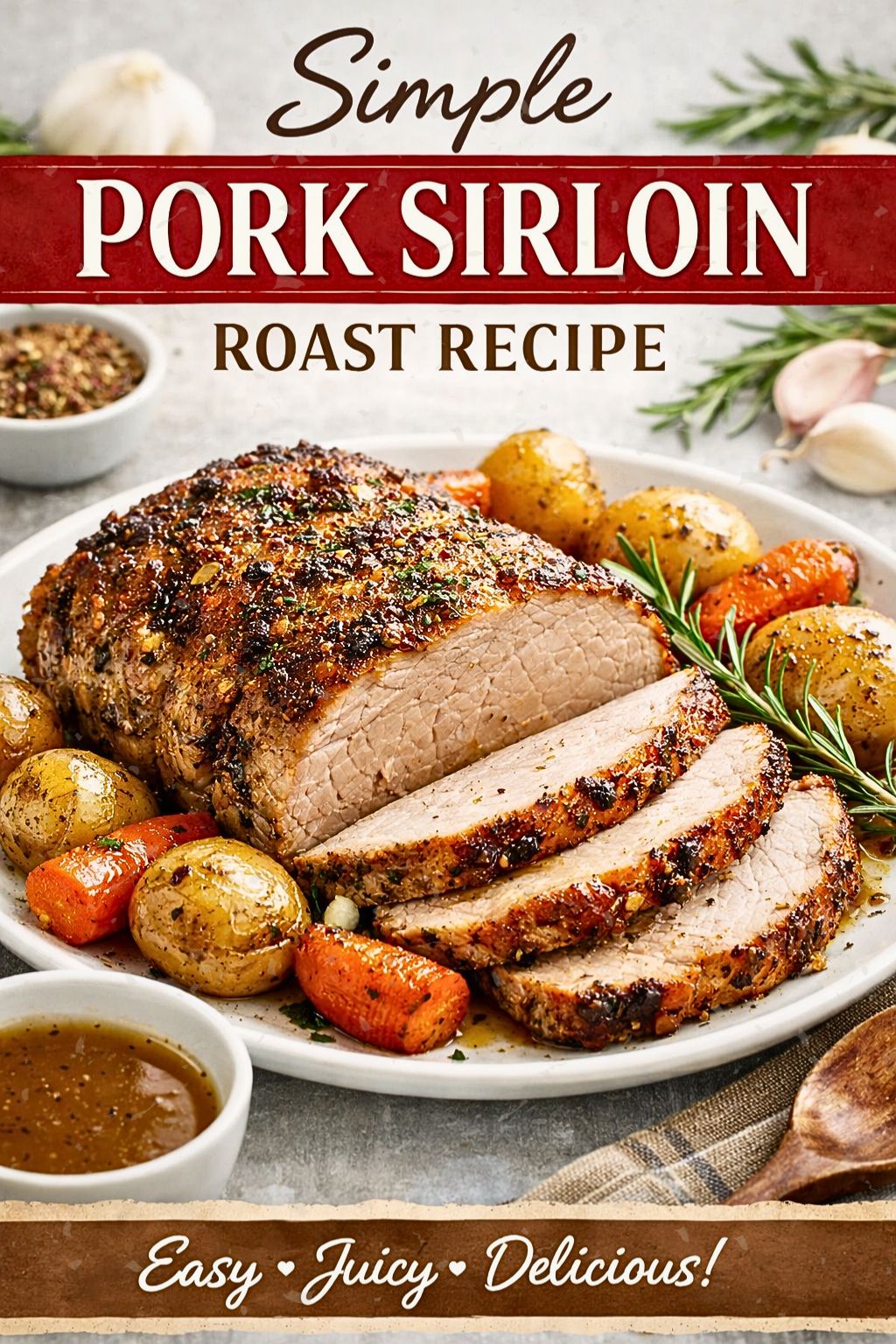
Simple Pork Sirloin Roast Recipe
I love a simple pork sirloin roast because it turns weeknight cooking into something warm and memorable. I often pair it with creamy mashed potatoes, roasted Brussels sprouts, or a crisp green salad, and a glass of dry white wine brightens the meal. The roast’s rich, tender meat and easy prep make it a go-to when I want food that feels special without fuss.
This recipe comes from meals I remember at home and from cooking for friends and family. I’ll walk you through a straightforward method that keeps the pork juicy and flavorful, share tips to get a nice crust, and offer easy side ideas and storage advice so you can cook with confidence.
Key Takeaways
- The recipe is simple to prepare and yields tender, flavorful pork.
- Pairing suggestions and basic tips improve texture and taste.
- Clear steps and storage advice make the roast reliable for family meals.
What Is a Simple Pork Sirloin Roast?
I make a simple pork sirloin roast when I want a tender, juicy main with little fuss. I start with a boneless sirloin roast, season it simply, sear for color, then roast until the center reaches a safe, juicy temperature.
- Key traits:
- Lean but moist when cooked correctly
- Easy seasoning: salt, pepper, and herbs or a light glaze
- Works for weeknights or a small gathering
I like this cut because it feels special without complex steps. It pairs well with roasted vegetables, mashed potatoes, or a simple pan sauce.
How It Tastes to Me
The roast tastes rich and juicy, with meat that feels tender from slow cooking. I notice gentle garlic and rosemary notes in every bite. Dijon gives a mild, pleasant tang while a splash of dry white wine lifts the flavors without stealing the show. A small amount of butter rounds the taste, leaving a smooth, slightly creamy finish on my palate.
Why You’ll Love This Recipe
I keep this roast in my regular meal rotation because it’s simple to make and forgiving if you’re not an expert. The seasoning and cooking method build steady, reliable flavor without fuss. It works for a quick weeknight or a special dinner, gives solid protein and whole-food goodness, and almost everyone at the table asks for seconds.
Ingredients I Use
- Pork: 2 lb boneless pork sirloin roast, tied with kitchen twine
- Oil: 1 tbsp avocado oil (or another high-heat oil)
- Aromatics: 2 garlic cloves, minced; 1 tbsp fresh rosemary, chopped
- Seasoning: 1 tsp sea salt; 1/2 tsp freshly ground black pepper
- Pan liquids: 1 cup low-sodium chicken broth; 1/2 cup dry white wine; 1 tbsp Dijon mustard
- Thickener: 1 tbsp cornstarch
- Finishing fat: 2 tbsp butter (or ghee; or 1 tbsp olive oil)
Step by Step Directions
Step 1 — Warm the Oven and Get Ready
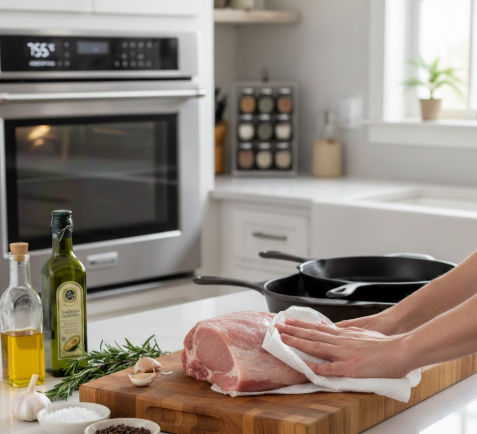
I set the oven to 375°F (190°C). I also pat the roast dry and clear a work area so everything is within reach.
Step 2 — Salt and Pepper the Pork
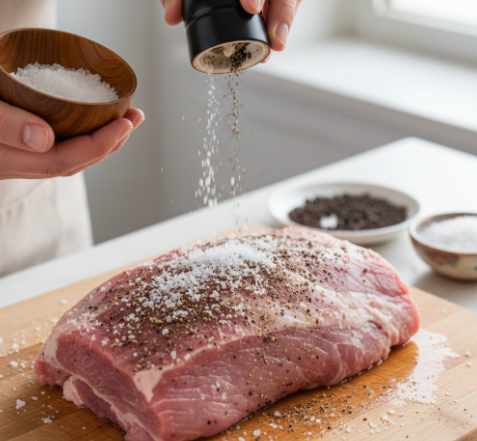
I rub the pork evenly with salt and pepper, pressing the seasoning into the surface so it adheres well.
Step 3 — Heat a Neutral Oil
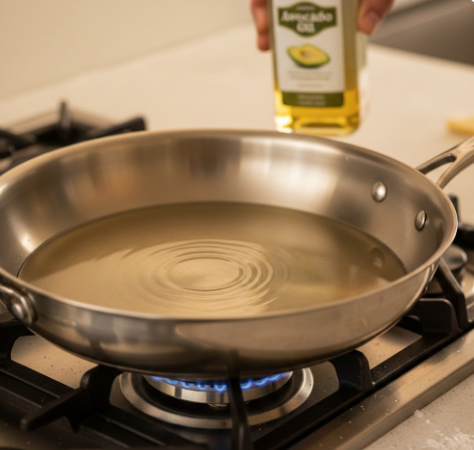
I warm a tablespoon or two of avocado or other high-smoke-point oil in a large skillet over medium-high heat until it shimmers.
Step 4 — Brown the Roast on All Sides
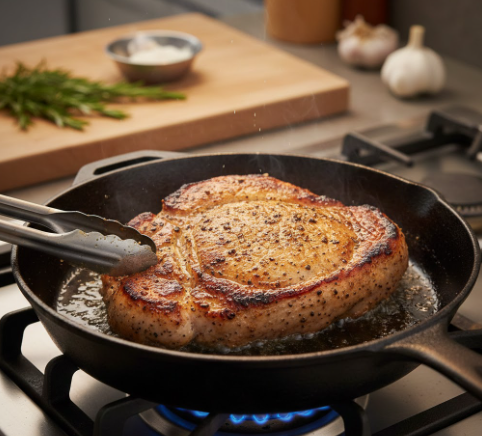
I place the roast in the hot skillet and sear each side until nicely browned, about 2–3 minutes per side, to lock in flavor.
Step 5 — Add Aromatics to the Pan
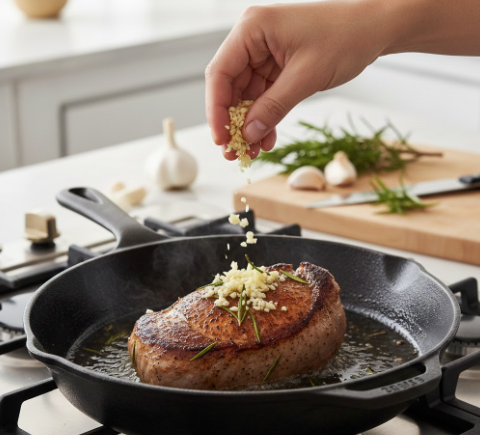
I toss in minced garlic and chopped rosemary and cook briefly, about 30–60 seconds, so the pan picks up their aroma without burning them.
Step 6 — Move Roast to a Roasting Dish
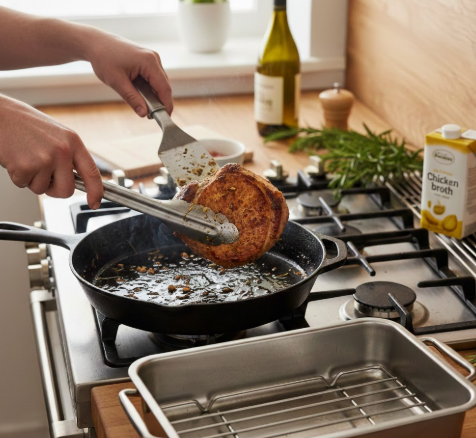
I transfer the seared roast to a roasting pan or a baking dish with a rack if I have one, leaving the skillet juices behind.
Step 7 — Scrape Up Pan Bits with Wine
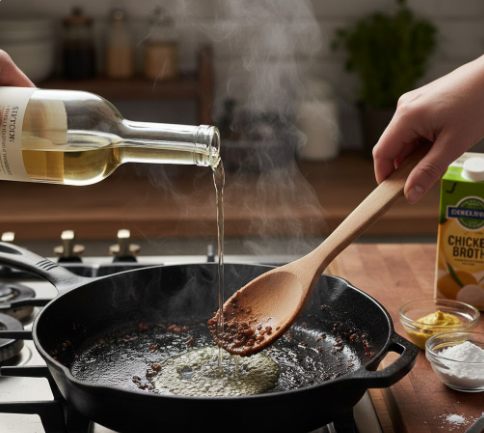
I pour dry white wine into the hot skillet and scrape the bottom to dissolve browned bits. Then I stir in chicken broth, a bit of cornstarch, and Dijon mustard until smooth.
Step 8 — Spoon the Sauce Over the Meat
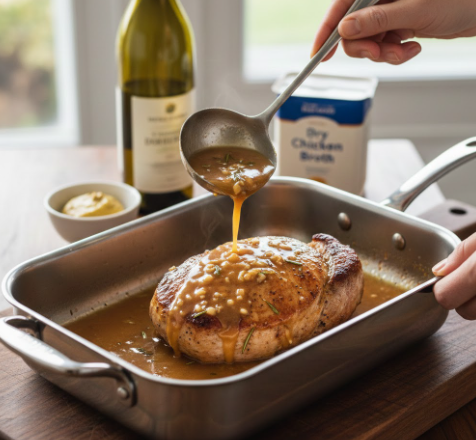
I carefully pour or spoon that sauce mixture over and around the roast so it gets flavor and moisture during cooking.
Step 9 — Roast in the Oven Until Done
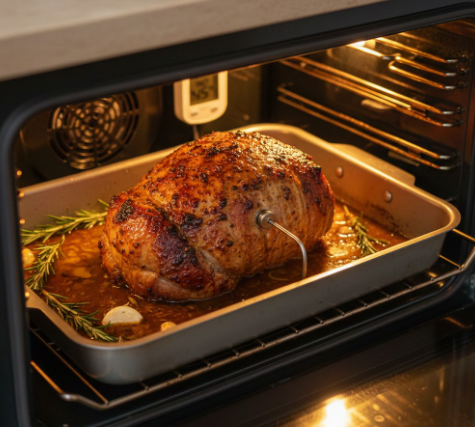
I slide the pan into the preheated oven and roast for about 1.5–2 hours, or until the internal temperature reaches 145°F (63°C).
Step 10 — Baste Now and Then
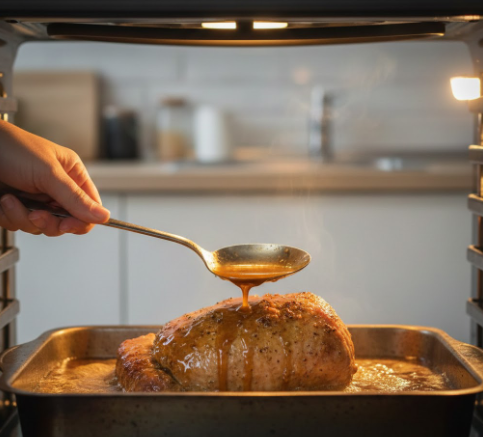
Every 30 minutes I open the oven and spoon pan juices over the roast to keep the surface moist and develop a good crust.
Step 11 — Let It Rest Before Cutting
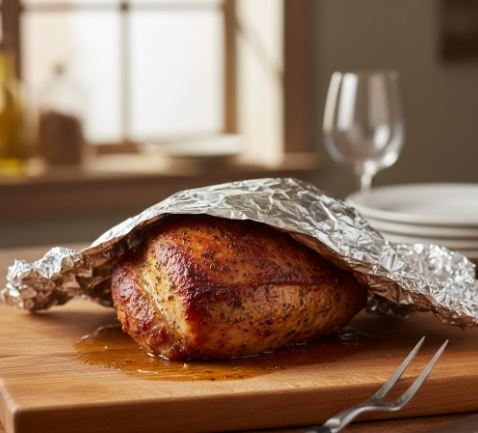
I remove the roast, tent it loosely with foil, and wait 10–15 minutes before slicing so the juices redistribute.
Tips On Making Simple Pork Sirloin Roast
I use a meat thermometer so the roast reaches the right internal temperature without guessing.
I always let the meat rest 10–15 minutes to keep it juicy.
I pick fresh garlic and rosemary for stronger flavor.
I lightly oil the roasting pan to stop sticking.
I deglaze the pan and scrape browned bits into the sauce for extra taste.
How I Keep This Simple Pork Sirloin Roast Fresh
I store leftovers in an airtight container in the fridge and use them within 3 days.
For longer storage I freeze portions, good up to 3 months.
I reheat in a 350°F oven until heated through.
What Other Substitutes Can You Use?
I suggest these swaps based on texture and flavor needs:
- Chicken breast — lighter, quick-cooking.
- Turkey breast — lean and mild.
- Beef sirloin — richer, beefy taste.
- Lamb shoulder — stronger, gamier flavor.
- Tofu — plant-based, soaks up marinades.
Simple pork sirloin roast recipe
Tools I use
- Large skillet for searing.
- Roasting pan or a deep baking dish for the oven.
- Meat thermometer to check doneness.
- Tongs or a spatula for turning the roast.
- Small bowl and whisk for the sauce.
What goes into it
- 2 lb boneless pork sirloin roast, tied if loose.
- 1 tbsp avocado oil (or another neutral oil).
- 2 garlic cloves, minced.
- 1 tbsp fresh rosemary, chopped.
- 1 cup low-sodium chicken broth.
- 1 tbsp cornstarch.
- 1 tbsp Dijon mustard.
- 1/2 cup dry white wine.
- 2 tbsp butter (or ghee; or 1 tbsp olive oil).
- 1 tsp sea salt.
- 1/2 tsp ground black pepper.
Step-by-step method
- Preheat the oven to 375°F (190°C).
- Pat the roast dry and rub it with salt and pepper on all sides.
- Heat the oil in the skillet over medium-high heat until shimmering.
- Sear the pork on every side until brown, about 2–3 minutes per side.
- Add the garlic and rosemary to the pan and cook 30–60 seconds to release aroma.
- Transfer the roast to the roasting pan.
- Pour the wine into the skillet and scrape up browned bits. Add broth, cornstarch, and Dijon; whisk until smooth.
- Pour the sauce over the roast in the pan. Dot with butter.
- Roast in the oven for about 1 hour 10 minutes to 2 hours, until a meat thermometer reads 145°F (63°C).
- Baste the roast with pan juices every 30 minutes to keep it moist.
- Remove the roast and let it rest 10–15 minutes before slicing. Slice against the grain and serve with pan sauce.
Helpful tips
- I always use a meat thermometer for accuracy.
- Resting the meat 10–15 minutes keeps the juices inside.
- Fresh rosemary and garlic give the best flavor; dried herbs work in a pinch.
- If the pan sticks, a little oil in the roasting pan helps.
- When deglazing, scrape the skillet thoroughly to lift the browned bits — they add flavor to the sauce.
Approximate nutrition
- Calories per serving: ~239 kcal (based on 6 servings).
- Protein: moderate—this is a lean pork roast.
- Fat: depends on butter and oil used; use ghee or olive oil for different fat profiles.
- Sodium: lower if you use low-sodium broth and adjust added salt.
Nutrition values are estimates and will vary with exact ingredients and portion sizes.
Frequently Asked Questions
Can I swap dried rosemary for fresh?
Yes. I use less dried rosemary than fresh since the dried flavor is stronger. Start with about 1 teaspoon of dried rosemary and adjust to taste.
Which wine pairs best with this roast?
I prefer a dry white like Sauvignon Blanc or an unoaked Chardonnay. These wines add brightness without overpowering the pork.
Is another cooking oil okay?
Olive oil or grapeseed oil work well for searing and roasting. I pick oils with a neutral or mild flavor and a suitable smoke point.
How can I tell the roast is done?
I always use a meat thermometer. Pull the roast when the internal temperature reaches 145°F (63°C), then let it rest a few minutes.
Do I have to use cornstarch for the sauce?
No, you can skip cornstarch. The sauce will be looser, so I thicken it with a reduction or a small roux if I want more body.
Must I tie the roast with kitchen twine?
I tie roasts to keep a uniform shape and even cooking. I recommend twine for a consistent result, though small pieces can cook without it.
Final Thoughts
I found this pork sirloin roast easy to make and satisfying to serve. It works for big dinners or quiet weeknights, and you can change the seasonings to match your taste. I like searing the roast first for color and finishing it in a moderate oven so the meat stays juicy.
If you want a quick tweak, try a simple herb rub or a sweet glaze to shift the flavor without extra work. I recommend resting the roast before slicing to keep the juices inside. Share your tweaks so others can try them, and enjoy the meal.
FAQs
- Can I keep the pork sirloin roast juicy using a simple method?
I recommend searing the roast briefly on high heat before baking. Searing locks in flavor and gives a browned crust. Then roast at moderate heat until the internal temperature reaches 145°F (63°C) and let it rest 10–15 minutes; the carryover heat finishes cooking and keeps juices inside. - Is this roast safe to eat at medium doneness?
Yes. I follow USDA guidance and cook pork to 145°F (63°C) with a rest period. That temperature makes the meat safe while keeping it tender. Use a reliable instant-read thermometer to check doneness. - How do I season the roast without many ingredients?
I keep it simple: salt, pepper, and garlic powder or fresh garlic work well. Add a little oil to help the seasonings stick. For a small flavor boost, rub on chopped herbs or a spoonful of mustard before roasting. - Will a slow cooker or oven give better results?
Both work, but they give different textures. I use the oven for a browned crust and firmer slices. I use a slow cooker when I want very tender, shred-ready meat for sandwiches or stews. Adjust liquid and cooking time for each method. - How should I store and reheat leftovers?
I cool leftovers within two hours and store them in an airtight container in the fridge for up to four days. Reheat gently in a low oven (about 300°F / 150°C) or covered in the microwave to avoid drying. Add a splash of broth or sauce to keep meat moist. - How do I compare pork sirloin roast to other pork cuts?
I find sirloin roast leaner than shoulder and more economical than loin. It stays tender when cooked correctly but needs careful timing to avoid dryness. Choose shoulder when you want shreddable meat and loin when you want very lean, tender slices. - What basic maintenance or prep saves cooking time and improves results?
I pat the roast dry before seasoning and let it sit at room temperature 20–30 minutes before cooking. That short rest helps even cooking. Trimming minimal excess fat and tying the roast for even shape also improves the final result.
Conclusion
I recommend this simple pork sirloin roast recipe for its ease, dependable results, and balanced flavor. It cooks well in a home oven or slow cooker, uses common pantry seasonings, and gives tender, juicy slices when you watch internal temperature and rest time.
Key benefits I focus on:
- Easy prep with few ingredients.
- Consistent, safe cooking when you reach 145°F (63°C) and allow a short rest.
- Versatile seasoning and glazing options to suit family tastes.
- Budget-friendly and practical for weeknight meals or small gatherings.
Tips I rely on:
- Sear first for a better crust, then roast gently.
- Use a meat thermometer for accuracy.
- Let the roast rest 10–15 minutes before slicing to keep juices inside.
I trust this method for reliable, tasty results that are safe and economical. Try it and adapt the seasonings you like most to make it your go-to roast.


