
Philadelphia German Butter Cake Recipe
I love serving Philadelphia German butter cake with a warm cup of coffee or tea. A scoop of vanilla ice cream or a spoonful of whipped cream makes the warm, buttery cake feel more special, and fresh berries or a smear of fruit preserves add a bright, tart contrast that cuts the sweetness.
This cake brings back cozy kitchen memories for me and fits many occasions, from simple weekday treats to parties and picnics. The recipe uses everyday ingredients but yields a rich, comforting flavor that keeps people coming back for another slice.
Key Takeaways
- Pair the cake with coffee, tea, or creamy toppings for a richer experience.
- Bright fruit or preserves balance the cake’s sweetness.
- Simple ingredients make the cake versatile for many occasions.
The Ingredients: A Personal Touch
I pick each item with care because small changes shape the final cake. I beat one large egg to add richness and help everything bind together. I warm the milk just enough to wake the yeast; too hot and it kills it, too cool and it won’t activate.
I stir in a tablespoon of honey for a subtle, rounded sweetness that supports but does not overpower. Granulated sugar gives sweetness and helps the top caramelize into a thin, crackly crust. For fat, I choose between butter-flavored shortening or real butter depending on the texture I want—shortening gives tenderness, butter gives flavor.
I use a pinch of sea salt to lift the flavors, and a splash of vanilla extract for warm, mellow depth. A light sprinkle of cinnamon adds a soft, cozy note. Active dry yeast creates the lift and airy crumb. All-purpose flour forms the structure, so I measure carefully to keep the dough balanced.
Ingredients List
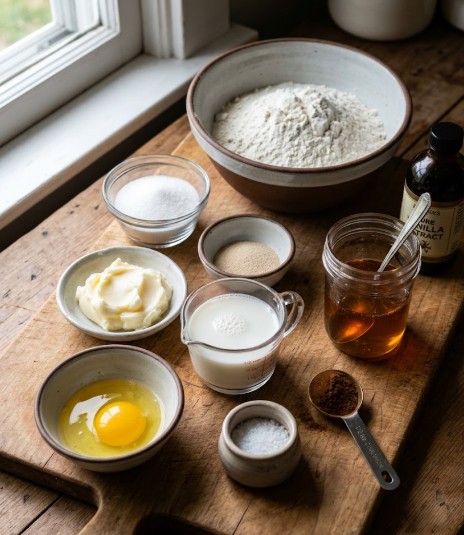
I list the items I use to make the dough and topping.
- 1 large egg, beaten
- 1/2 cup warm milk (105–115°F)
- 1 tablespoon honey
- 1/4 cup granulated sugar
- 1/4 cup butter-flavored shortening or 1/4 cup unsalted butter
- 1/4 teaspoon sea salt
- 1 tablespoon pure vanilla extract
- 1/2 teaspoon ground cinnamon
- 1 packet (1/4 oz) active dry yeast
- 2 1/4 cups all-purpose flour
How to Make Philadelphia German Butter Cake

Step 1: Wake the Yeast
I warm milk to about 105–115°F, stir in a little honey, and sprinkle active dry yeast on top. I let it sit 5–10 minutes until it becomes foamy. If it froths, the yeast is ready.
Step 2: Combine Dry Ingredients
I whisk together all-purpose flour, granulated sugar, a pinch of salt, and a bit of ground cinnamon in a bowl. Mixing dry items first helps distribute flavor and prevents clumps.
Step 3: Prepare the Wet Mix
I beat an egg and stir in melted butter (or shortening) and vanilla. When the yeast mix is bubbly, I fold it gently into the wet ingredients to keep the yeast active.
Step 4: Bring the Batter Together
I pour the wet mixture into the dry bowl and stir just until combined. I avoid over-mixing to keep the cake tender and light.
Step 5: First Rise in the Pan
I grease a 9-inch round pan and spread the batter evenly. I cover the pan loosely with a towel and place it in a warm spot for about 45 minutes, until the batter puffs up slightly.
Step 6: Get the Oven Ready
I preheat the oven to 350°F (175°C) while the cake rises. Preheating ensures the oven is at the right temperature when the cake goes in.
Step 7: Bake Until Set
I bake the cake for 25–30 minutes, until the top turns golden and a toothpick in the center comes out clean. If the top browns too fast, I lower the rack or tent with foil.
Step 8: Cool, Slice, and Serve
I let the cake cool in the pan for about 10 minutes, then move it to a wire rack to finish cooling. I slice it warm and serve; it pairs well with coffee or fruit.
Recipe Notes
I pick each ingredient for a clear reason that shapes texture, flavor, and rise.
- Eggs: I use them to add moisture and help the cake hold together while staying tender.
- Milk: I hydrate the dough and feed the yeast so the cake lifts and stays soft.
- Honey: I choose honey for a mild sweetness and a warmer color in the crust.
- Granulated sugar: I add sugar to feed the yeast and to encourage a light caramel touch on top.
- Butter or shortening: I prefer butter for flavor, but I use shortening when I need extra tenderness and moisture.
- Sea salt: I always include a pinch to balance sweetness and make other flavors pop.
- Vanilla extract: I count on vanilla for the familiar background flavor that ties the cake together.
- Cinnamon: I add a small amount for warmth and a pleasant aroma during baking.
- Active dry yeast: I test freshness and bloom it properly; a lively yeast gives the best rise.
- All-purpose flour: I rely on it for structure so the cake becomes airy without collapsing.
Tips I follow:
- Bloom yeast in warm milk for 5–10 minutes.
- Measure flour by spooning and leveling.
- Use room-temperature eggs and butter for even mixing.
Recipe Variations
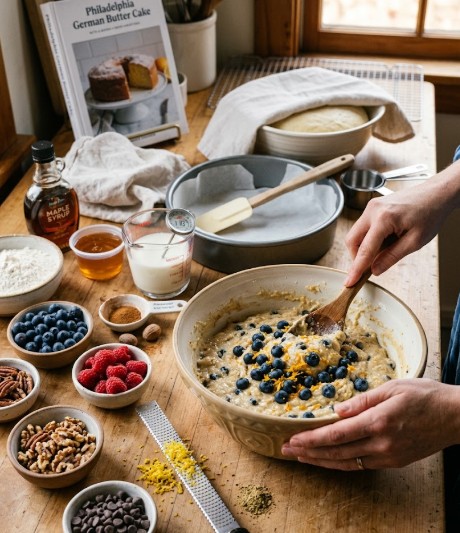
Ingredients (What to swap or add)
I suggest simple swaps and additions that change flavor and texture without breaking the recipe.
- Fruit: Fold in 1 to 1 1/2 cups fresh or frozen berries (blueberries, raspberries) after the first mix. Pat frozen fruit dry so it doesn’t water down the batter.
- Nuts: Stir in 1/2 cup chopped nuts (almonds, pecans, or walnuts) gently before the second rise for crunch.
- Citrus: Add 1–2 teaspoons grated lemon or orange zest into the wet mix for bright, clean flavor.
- Chocolate: Mix 3/4 to 1 cup semi-sweet chocolate chips into the batter for a chocolaty version.
- Spices: Replace or add to cinnamon with 1/4–1/2 teaspoon ground cardamom or nutmeg for a warmer spice profile.
- Sweeteners: Swap honey for maple syrup (equal amount) for a different sweet note. Reduce added sugar by 1–2 tablespoons when using sweeter fruits.
- Fats: Use unsalted butter for richer flavor, or shortening for a softer, more tender crumb; keep the amount the same.
Tools (Gear that makes changes easier)
I list simple equipment that helps when you try different versions.
- Mixing bowls: Use at least two; one for wet and one for dry.
- Measuring spoons and cups: Accurate amounts matter more when you add mix-ins.
- Spatula or wooden spoon: Fold fruit or nuts gently to avoid crushing.
- 9-inch round pan or 9×13 pan: For more servings use the larger pan; adjust bake time.
- Thermometer: Warm milk to 105–115°F to activate yeast reliably.
- Clean towel or plastic wrap: Covering during rises keeps the dough from drying.
- Wire rack: Cool the cake evenly after baking.
Procedure (How to adjust the steps)
I explain small changes to the method to fit variations.
- Proof yeast the same way, using warmed milk and a sweetener. If adding citrus zest, mix it with the wet ingredients so oil disperses.
- Combine dry ingredients as usual. If using extra spices or nutmeg, mix them in with the flour to avoid clumps.
- Fold in fragile add-ins (berries, chocolate chips, nuts) at the end, using a light hand. For frozen berries, toss in a tablespoon of flour to reduce sinking.
- Rise times stay the same, but heavier add-ins (lots of nuts or chocolate) can make the dough denser—allow an extra 10–15 minutes for a fuller rise.
- Bake at the same temperature. If using a 9×13 pan, check doneness 5–10 minutes earlier, then adjust as needed.
- Let cool slightly in the pan, then transfer to a wire rack. Warm slices hold gooey toppings better; fully cooled slices slice cleaner.
Nutrition (How swaps change calories and macros)
I give quick estimates and tips to manage nutrition.
- Adding 1 cup chocolate chips adds roughly 800–900 calories total; each slice gains ~80–100 calories depending on slice count.
- 1/2 cup chopped nuts adds about 400 calories total, plus more healthy fats and protein.
- Swapping honey for maple syrup keeps calories similar but changes flavor profile.
- Using butter instead of shortening slightly increases saturated fat and calories but boosts flavor.
- Adding fruit increases fiber and vitamins while raising sugar; berries add fewer calories than tropical fruits.
- For lower calories per serving, use less topping, cut smaller slices, or bake in a larger pan to create more servings.
Tips & Reminders
I offer brief, practical notes that matter when you experiment.
- Fresh yeast activity: Always proof yeast in warm milk; no foam means the yeast may be dead—start over.
- Texture balance: Too many heavy add-ins can weigh down the rise; keep totals moderate.
- Even distribution: Coat add-ins lightly with flour to prevent sinking.
- Flavor layering: Small amounts of zest or spice go a long way—add less at first and taste.
- Storage: Store cooled cake in an airtight container up to 3 days at room temperature or freeze slices for up to 2 months.
FAQs About Philadelphia German Butter Cake
- Can I bake this ahead of time?
I often bake it a day early. Wrapped or covered at room temperature, it stays tasty and sometimes tastes even better the next day. - How should I store leftovers?
I put slices in an airtight container and keep them at room temperature for up to three days. For longer storage, I wrap slices tightly in plastic and freeze them for up to two months. - What if I don’t have active dry yeast?
I swap instant yeast one-for-one. I mix it into the dry ingredients without dissolving it first. - Can I make a gluten-free version?
I replace all-purpose flour with a gluten-free flour blend that contains xanthan gum for the best texture. - Is an egg-free option possible?
I use a flax egg: 1 tablespoon ground flaxseed mixed with 2.5 tablespoons water, left to thicken for a few minutes, as an egg substitute. - Should I add frosting?
I usually serve it plain or with a light dusting of powdered sugar. If I want richer flavor, I add a thin layer of cream cheese frosting, but the cake doesn’t need heavy frosting. - Quick tips at a glance:
- Store at room temperature for short-term.
- Freeze wrapped slices for longer storage.
- Instant yeast works fine.
- Use a xanthan gum blend for gluten-free baking.
- Try a flax egg for egg-free needs.
Closing Thoughts
I find this cake combines simple steps with rich flavor, making it an easy go-to for busy mornings or casual get-togethers. A warm slice alongside coffee or tea lifts small moments into something a bit more special.
- It suits brunch, snacks, and potlucks.
- The texture and buttery topping please a wide range of palates.
- Leftovers keep well and reheat nicely.
Try it once and you’ll notice how little effort creates big taste. I encourage you to bake it, adapt the toppings to your liking, and share it with others—those small rituals are what make recipes memorable.
FAQs
Q1: What makes my Philadelphia German butter cake different from other butter cakes?
I use a yeast-raised dough for the base, which gives the cake a slightly chewy, bread-like crumb. The top stays very buttery and gooey, unlike dense American-style gooey butter cakes. This contrast between a light base and a rich topping defines the Philadelphia style.
Q2: Is this cake safe to store and how long will it keep?
I store the cake at room temperature, covered, for up to 2 days. For longer storage, I refrigerate it in an airtight container for up to 5 days. Reheat gently to restore some gooeyness. Freezing slices for up to 2 months also works; thaw in the fridge before warming.
Q3: How do I maintain the gooey topping without it becoming soggy?
I make sure the dough edges are crimped slightly up the pan sides so the topping sits on the surface. Bake at the right temperature until the base is set but the topping still jiggles slightly in the middle. Cooling on a rack for 10–15 minutes helps the topping settle without getting soggy.
Q4: Are there safety or allergen concerns I should watch for?
Yes. The cake contains dairy, eggs, wheat, and sometimes nuts if you add them. I always warn people with allergies. Also, because the topping can be very rich, I recommend portion control for those with dietary restrictions.
Q5: How effective is this recipe for serving a crowd or selling at a bake sale?
I find the recipe scales well. A 9×13 pan serves about 12–16 people depending on slice size. It’s popular at gatherings because it’s rich and comforting. If you need more, I double the dough and topping and bake in two pans for even results.
Q6: How does this cake compare to other regional butter cakes?
Compared with traditional German butterkuchen, my Philadelphia version uses a richer, gooey topping and a softer, slightly sweeter base. Compared with American gooey butter cake, it leans more on a yeasted, bread-like base rather than a dense cake base, so texture and flavor differ noticeably.
Q7: What basic maintenance tips keep the cake tasting its best after baking?
I recommend cooling briefly, then storing covered to preserve moisture. Reheat short bursts in a low oven (300°F / 150°C) or microwave for 10–20 seconds to revive gooeyness. Avoid long, high-heat reheating that dries the cake out.
Final Thoughts
I recommend trying Philadelphia German butter cake if you want a simple, comforting baked good with a rich, buttery top and a soft, slightly gooey center. I find it effective for breakfast, brunch, or holiday baking because it uses familiar ingredients and delivers a pleasing texture without complex steps.
I trust this cake’s safety when you follow basic food-handling rules: keep ingredients fresh, proof yeast properly, and bake to the right doneness. The recipe can be eco-friendly too—use local butter and flour, reduce packaging waste, and compost scraps.
I suggest choosing quality ingredients and a trusted recipe so the cake stays reliable over time. With a bit of care, this cake makes a dependable, crowd-pleasing option that I would happily bake again.