
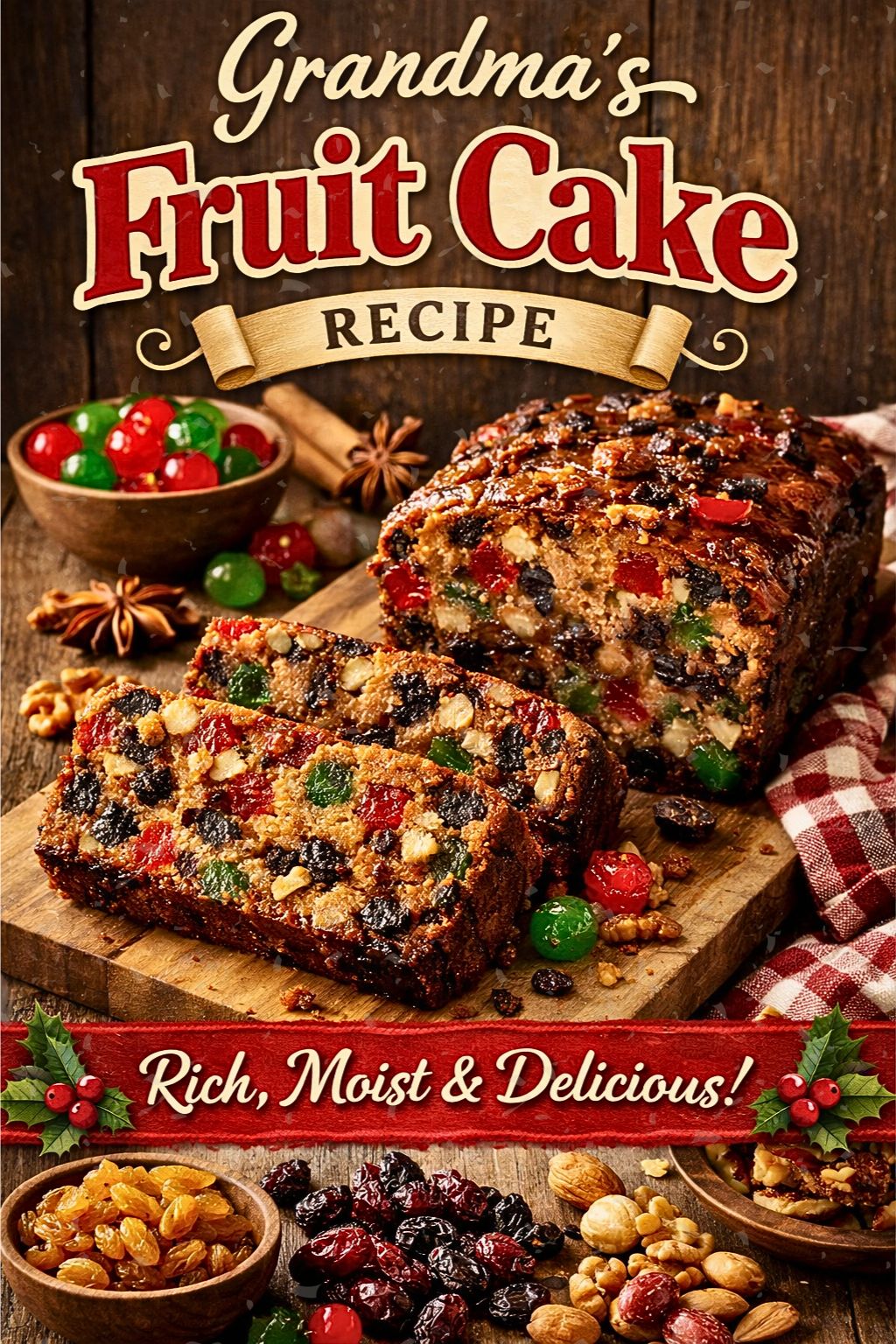
Grandmas Fruit Cake Recipe
I grew up with a fruit cake that showed up at every family gathering. My grandma’s version has a soft, flavorful crumb and a warm mix of spices and dried fruit that people always ask for by name. It feels tied to holiday memories but fits any time you want a simple, comforting dessert.
I’ll share how this recipe differs from the dense, store-bought loaves you may know, and why it works so well—balanced sweetness, tender texture, and easy steps you can repeat. I also cover what pairs nicely with the cake and small tips to keep it moist and tasty.

Key Takeaways
- The recipe makes a tender, flavorful fruit cake that beats dense store-bought versions.
- Simple serving ideas and storage tips help keep the cake fresh and enjoyable.
- Clear steps and a few small swaps let you make this family favorite at home.
What Grandma’s Fruit Cake Means to Me
I think of a dense, buttery cake studded with dried fruits and candied peel. I bake it with warm spices — cinnamon, ginger, and a touch of nutmeg — so it smells like winter. I keep it moist but firm, perfect for thin slices at holiday gatherings.
Why This Recipe Delivers
I use plenty of butter to create a soft, tender crumb and a rich mouthfeel that keeps the cake from drying out. The butter also helps carry and meld other flavors so each slice feels indulgent.
I balance sweetness with a mix of molasses and dried fruits like cranberries and raisins. Those fruits soak up surrounding flavors, giving natural sweetness and a dense, satisfying bite without making the cake cloying.
I add warm spices—cinnamon, ginger, nutmeg, and cloves—to give depth and a festive aroma. They lift the fruit and butter, making the cake taste layered rather than flat.
- Flexible swaps: you can change candied fruits or extracts when needed.
- Tip: soak fruits briefly to boost flavor absorption.
Ingredients I’ll Use for This Classic Fruitcake
- Butter: 1 cup (2 sticks), softened
- Granulated sugar: 1 1/2 cups
- Vanilla extract: 2 teaspoons
- Orange juice: 1 tablespoon, freshly squeezed
- Milk: 2 tablespoons
- Large eggs: 5
- Maple or rum extract: 1 teaspoon (your choice)
- Baking powder: 1 1/2 teaspoons
- All-purpose flour: 1 1/2 cups
- Sea salt: 1 teaspoon
- Spices: 1/2 tsp nutmeg, 1 tsp cinnamon, 1 tsp ginger, 1/4 tsp cloves
- Sweetener: 1/8 cup molasses, honey, or maple syrup (pick one)
- Dried fruit: 2 cups cranberries, 2 cups raisins, 2 cups mixed candied fruit
- Nuts: 1/2 cup, finely chopped
How To Make These?
Step 1: Heat Oven and Prepare Pan
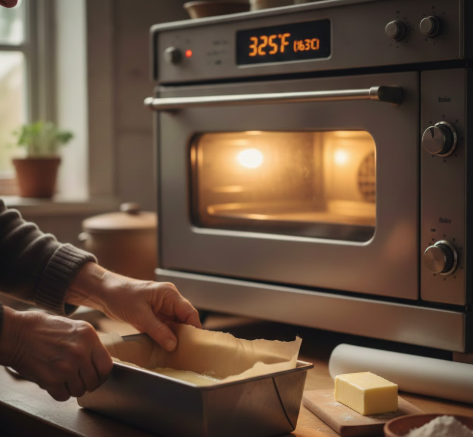
I set the oven to 325°F (163°C). I grease a loaf or square pan, then line it with parchment so the cake releases cleanly.
Step 2: Beat Butter and Sugar
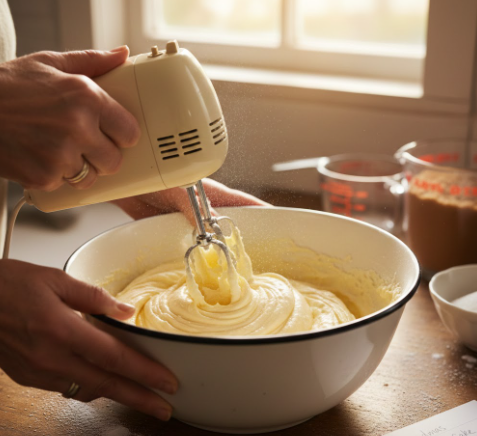
I beat softened butter and sugar until pale and airy. This takes about five minutes and helps the cake stay light.
Step 3: Mix in the Wet Ingredients
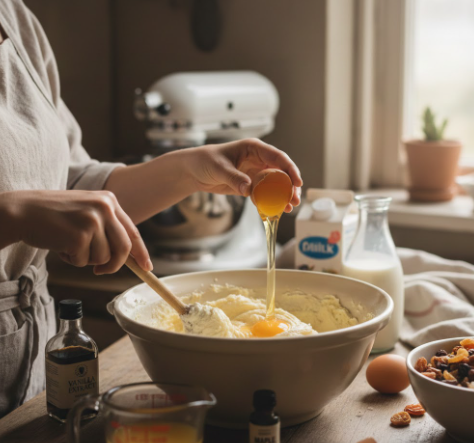
I add vanilla, orange juice, milk, and eggs one at a time, beating after each addition until smooth. I finish with a splash of maple or rum extract for deeper flavor.
Step 4: Blend the Dry Elements
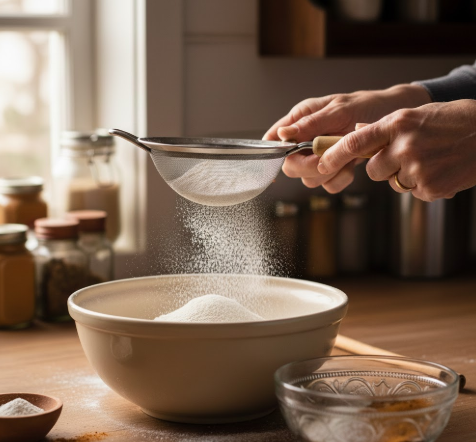
I sift flour, baking powder, salt, nutmeg, cinnamon, ginger, and cloves into a bowl. I fold these dry ingredients into the wet mix slowly, stirring only until just combined.
Step 5: Add Syrup, Fruit, and Nuts
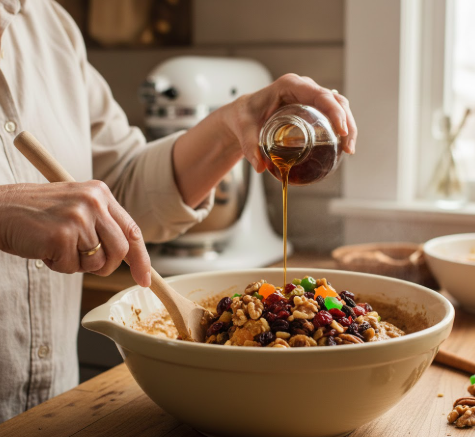
I pour in molasses, honey, or maple syrup and then fold in dried cranberries, raisins, candied fruit, and chopped nuts. I mix gently to keep the batter tender.
Step 6: Transfer and Bake
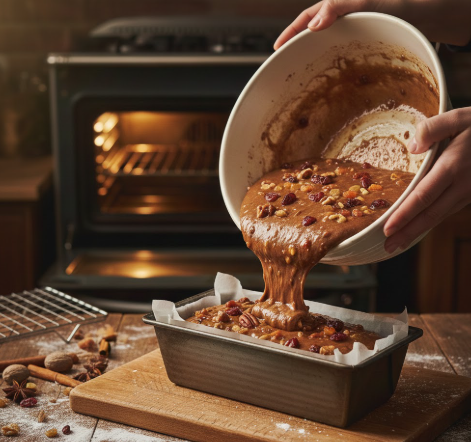
I pour the batter into the prepared pan and tap the pan to release air bubbles. I bake about 90 minutes, checking with a toothpick until it comes out clean.
Step 7: Cool, Slice, and Serve
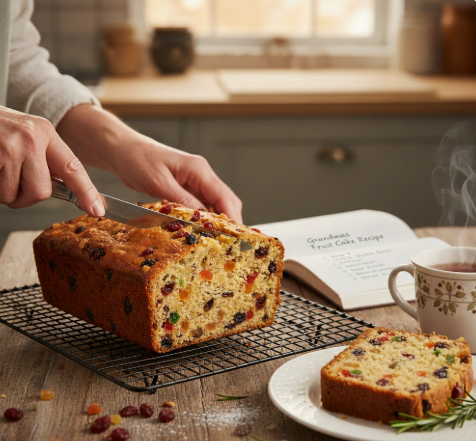
I let the cake cool fully in the pan, then move it to a wire rack. I slice thick and serve.
Tips
I keep ingredients at room temperature to help the batter come together smoothly and to improve the cake’s crumb.
I toss dried fruit with a little flour before folding it in so the pieces stay suspended and don’t sink.
I don’t overmix once the dry ingredients join the batter; I stir only until combined to avoid a dense texture.
I often soak fruit in rum or orange juice overnight to boost moisture and flavor.
I wrap the cooled cake tightly in plastic wrap, then foil, and store it in an airtight container to lock in freshness.
How I Keep Leftover Cake Fresh
I wrap leftover slices tightly in plastic wrap or foil, then tuck them into an airtight container.
I keep the container in a cool, dry spot for up to two weeks.
For longer storage I slice the cake first, wrap each piece, and place them in a freezer bag.
I thaw slices at room temperature before serving.
What sides go well with my Grandma’s fruit cake?
I like to serve fresh fruit to cut the cake’s richness. Berries, melon slices, and citrus segments work well.
I also offer a small cheese board. Soft Brie, tangy Stilton, and sharp aged Cheddar pair nicely.
A scoop of vanilla ice cream brings a cool, creamy contrast.
For texture, I add a bowl of roasted nuts and seeds for crunch and a nutty flavor.
If the Items Are Not Available in Your Pantry, What Are Some Substitute Options for the Ingredients?
Ingredients I Can Swap
- Butter: I use equal parts margarine or vegetable shortening if butter is missing.
- Dried cranberries: I swap in chopped dried apricots or chopped dates.
- Orange juice: I replace it with lemon juice for a similar bright acidity.
- Maple extract: I use vanilla or almond extract if maple flavor isn’t available.
Other practical swaps for the recipe:
- Molasses/honey/maple syrup: any one of these works; choose based on how strong and sweet I want the flavor.
- Nuts: I substitute with any chopped nuts I have on hand or omit for nut-free.
- Candied fruit: I replace with extra raisins or chopped dried fruit to keep texture.
- Milk: I use a dairy-free milk (soy, oat, or almond) in equal measure if needed.
- Eggs: For each egg I can try 1/4 cup applesauce or 1/4 cup mashed banana as a binder in quick recipes, though texture will change.
Tools I Can Replace
- Loaf pan or square tin: I use a similar-sized ovenproof dish. A bundt pan or two small loaf pans work if the volume fits.
- Parchment paper: I grease the pan well with butter or oil and dust with flour if I don’t have parchment.
- Large mixing bowl: I use any clean, heatproof bowl with enough space to beat ingredients.
- Oven: If no oven is available, I can bake in a toaster oven or slow-cook batter in a covered Dutch oven on low heat, watching time and texture closely.
Technique Adjustments I Use
- Creaming butter and sugar: If I use a stand mixer or hand mixer, I still beat until pale and fluffy. If I use margarine or shortening, I watch timing; it may reach the right texture faster.
- Adding eggs: I add eggs one at a time to keep the batter smooth. For egg substitutes, I fold them in gently after mixing wet ingredients.
- Mixing dry and wet ingredients: I fold flour gradually to avoid overmixing. If I toss fruit with flour to prevent sinking, I use about 1–2 tablespoons of flour.
- Baking time: Different pans or substitutions change baking time. I check doneness with a toothpick and expect variance of ±15–30 minutes for alternate pans or densities.
Nutrition Changes to Expect
- Using margarine or shortening raises the amount of processed fat compared with butter; choose trans-fat-free options when possible.
- Replacing sugar with honey or maple syrup adds liquid and a different sugar profile; reduce other liquids slightly if needed.
- Using dried fruits increases fiber and natural sugars; soaking fruit in juice or rum adds moisture and calories.
- Egg substitutes like applesauce reduce protein and fat but add carbs and moisture.
Practical Tips I Rely On
- Room temperature matters: I bring cold ingredients to room temperature for better mixing and structure.
- Fruit handling: I toss dried fruit in a little flour to stop sinking; I soak them for extra moisture when I have time.
- Storage: I wrap the finished cake well to keep it moist; refrigerated storage can extend shelf life but may firm the cake.
- Flavor balance: If I swap one strong flavor (like molasses) for a milder one (like honey), I taste the batter and add a touch more spice or extract to match the original depth.
Frequently Asked Questions
Can I switch to a gluten-free flour?
Yes. I replace the all-purpose flour with a gluten-free baking mix. I also check that my baking powder and other processing ingredients are labeled gluten-free to avoid cross-contamination.
How long ahead should I bake the fruit cake?
I often bake it up to a month before I need it. Wrapped tightly and kept in an airtight container, the flavors deepen and the cake stays moist.
Is it okay to use alcohol in the cake?
Yes. I soak the dried fruit in rum or brandy overnight for extra flavor. After baking, I sometimes brush the top with a little of the same spirit for added aroma.
Which nuts are best to use?
I prefer walnuts, pecans, or almonds. I also mix two or more kinds for texture and a richer taste.
What keeps the cake from becoming dry?
I avoid overbaking and test doneness with a toothpick. After cooling, I wrap the cake well and store it airtight to lock in moisture.
Conclusion
You might enjoy these recent dishes
I love sharing recipes that connect people. Below are a few dishes I think pair well with a rich holiday cake.
- Best broccoli salad (inspired by a classic deli favorite)
- Chicken Murphy made without sausage — simpler, bright flavors
- Homemade birria-style chicken tacos, full of spices and depth
Try one of these next to a slice of fruit cake to round out a meal or to offer guests variety. Each is easy to make and brings a different texture and taste to the table.
FAQs
- Q: How do I know if this fruit cake will stay moist long-term?
I soak the dried fruit in a liquid like rum, juice, or tea before mixing. That adds moisture and flavor. I also wrap the baked cake tightly and store it in a cool place or the fridge to keep it from drying out. - Q: Is it safe to use alcohol in the soaking liquid if I serve kids or avoid alcohol?
I can use non-alcoholic liquids such as apple cider, orange juice, or strong brewed tea instead of rum. These give flavor and keep the fruit soft while remaining alcohol-free and safe for everyone. - Q: How long does homemade fruit cake last, and how should I store it?
I keep the cake wrapped tightly in foil or plastic wrap. At room temperature in a cool spot it can last a few weeks; in the fridge it can last several weeks. If you want longer storage, freeze slices wrapped individually for up to a few months. - Q: How do I maintain the cake’s flavor and shelf life after baking?
I occasionally “feed” the cake by brushing it with a small amount of the soaking liquid or spirit every few days if I plan to keep it for weeks. This helps retain moisture and deepen flavor without drying the cake. - Q: How does this traditional fruit cake compare to quicker, modern cakes?
I find traditional fruit cake needs more prep time—soaking fruit and slow baking—but yields denser texture and richer flavor. Quick cakes are lighter and faster, but they won’t develop the same depth that aging and soaking bring. - Q: Are there safety tips for baking and storing fruit cake?
I always rinse and pat dried fruit dry before soaking, and I use clean, airtight wrapping for storage. If using alcohol, store the cake in a cool dark place. Discard the cake if it shows mold, off smells, or a slimy texture. - Q: What maintenance does a long-aged fruit cake require?
I check the cake weekly for moisture and any signs of spoilage. If it starts to dry, I add a splash of the soaking liquid. Proper wrapping and occasional feeding keep the cake in good condition for weeks or months.
Final Thoughts
I believe Grandma’s fruit cake still earns a place on holiday tables. It blends soaked dried fruits, warm spices, and a tender, buttery crumb into a dessert that holds up well over time and grows richer if aged carefully.
- I recommend soaking fruits in a spirit or juice to boost flavor and keep the cake moist.
- I use moderate baking temperatures and gentle mixing to avoid dryness.
- I prefer recipes that balance fruit, nuts, and batter so the cake stays tender and not overly dense.
This recipe approach is safe and eco-friendly: it uses pantry staples, reduces waste by using preserved fruits, and stores well without single-use packaging. For long-term enjoyment, choose trustworthy ingredients and let the cake rest a few days before serving to deepen the flavor.
Try a small test loaf first to tune spice levels and sweetness to your taste. With a little patience, you’ll have a reliable, flavorful fruit cake that stands up to tradition and makes a warm holiday gift.