
BBQ Rub Recipe for Tender, Flavorful Meats Every Time
I love making my own BBQ rubs because they let me control the taste and match the rub to the meat or veggies I plan to cook. A good homemade rub balances sweet, salty, and smoky notes, and uses simple pantry spices so you can mix one up fast and tweak it to your taste.
I will show what tools and ingredients matter, how to mix and store a rub, and how to apply it so you get the best flavor and crust. The guide also compares sweet and spicy styles and answers common questions about making rubs ahead of time.
Key Takeaways
- Choose a few core spices and balance sweet, salty, and smoky flavors.
- Use basic kitchen tools, mix carefully, and store the rub in an airtight container.
- Apply rub with even coverage and allow time for flavors to penetrate before cooking.
What Ingredients I Rely On for a Great BBQ Rub
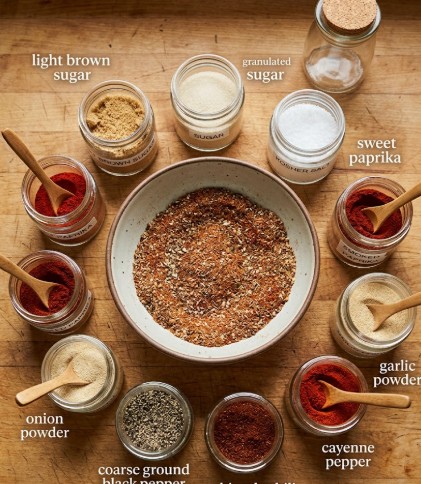
I base my rubs on a few steady ingredients that work together to build flavor, color, and texture. I list each one below and explain what it brings to the rub.
- Brown sugar (light) — Adds a mild sweetness and a touch of molasses that helps meat caramelize and form a glossy crust. I use it when I want a tender, slightly sweet bite and a deeper color on the bark.
- Granulated sugar — Gives clean sweetness and boosts crisping on the surface. I use granulated sugar when I want a sharper caramelized crust without extra molasses flavor.
- Kosher salt — Pulls moisture to the surface so flavors soak in and a crust can form. I prefer kosher salt for its pure taste and easy control over seasoning levels.
- Sweet paprika — Supplies gentle sweetness, mild earthiness, and a rich red hue. I add it for color and a warm, balanced base that won’t add heat.
- Smoked paprika — Lends a smoky note without needing a smoker. I use it when I want that campfire flavor built into the rub itself.
- Garlic powder — Gives steady savory depth and a bit of sweetness. I choose garlic powder for even flavor distribution and to avoid burning that can happen with fresh garlic.
- Onion powder — Adds rounded savory notes and natural sweetness. I use onion powder to build umami and to keep the rub mix smooth.
- Ground black pepper — Adds bite and a sharp, earthy warmth. I rely on it to balance sweeter components and to enhance the overall complexity.
- Chipotle chili powder — Brings smoky heat and a deeper, richer spice profile. I add chipotle for a smoky-heat layer that plays well with both pork and beef.
- Cayenne pepper — Delivers bright, focused heat. I add just a small amount when I want a clear, spicy kick without masking other flavors.
I balance these ingredients to suit the meat and the heat level I want. For pork and chicken I’ll lean heavier on sugar and paprika for a sweet, colorful crust. For beef or bold smoked flavors I increase black pepper, smoked paprika, and chipotle. I always mix and taste small batches, then adjust salt and heat before I use the rub.
Simple storage helps the blend stay fresh: I keep my rub in a sealed jar in a cool, dark place and use it within a few months for best aroma and flavor.
Essential Gear I Use for Making BBQ Rubs
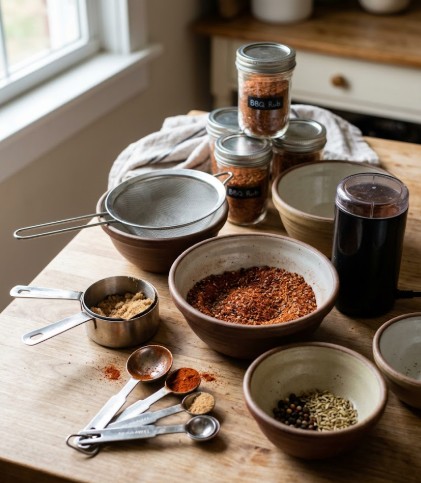
I keep a few simple tools on hand to make rubs that mix well and store long. I use measuring spoons and cups to get proportions right and a set of mixing bowls to combine ingredients without spills. A small spice grinder lets me fresh-grind whole seeds when I want brighter flavor. I sift the mix through a fine mesh for even texture, then seal it in airtight jars to lock in freshness.
How I Blend a Spot‑On BBQ Rub at Home
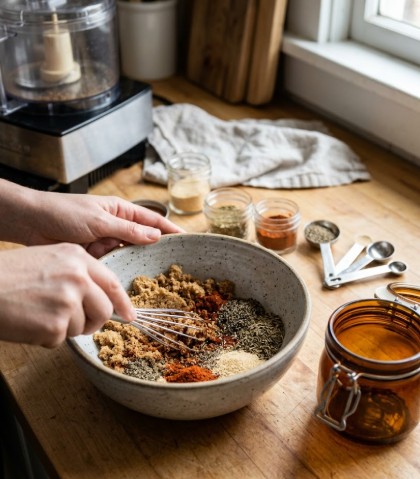
I combine all spices in a bowl and stir until uniform. I use short pulses in a food processor or whisk briskly to break up clumps. I make sure brown sugar is loose and not packed. I transfer the mix to an airtight jar and keep it in a cool, dark place for up to six weeks.
How To Apply A Dry Rub For The Best Results?
What Goes In the Rub
I use a balanced mix of sweet, salty, and spicy ingredients. Typical amounts for a batch that seasons several pounds of meat:
- 1/2 cup light brown sugar
- 1/4 cup granulated sugar
- 1/2 cup kosher salt
- 1/2 cup sweet paprika
- 2–3 tbsp garlic powder
- 2–3 tbsp onion powder
- 2–3 tbsp smoked paprika
- 2 tbsp ground black pepper
- 2 tsp chipotle chili powder
- 2 tsp cayenne pepper
Store the blended rub in an airtight jar in a cool, dark place. It keeps well for several weeks.
Step-by-Step Application
- Pat dry: I blot the meat with paper towels to remove surface moisture.
- Optional binder: I brush a thin layer of oil or mustard so the rub sticks evenly.
- Apply: I sprinkle the rub liberally and press it into the meat with my hands.
- Massage: I work the spices into the surface to help flavors penetrate.
- Rest time: I let the seasoned meat sit at room temperature 30–60 minutes, or refrigerate overnight for deeper flavor.
- Cook: I grill, smoke, or roast the meat according to the recipe, letting the rub form a crust as it cooks.
Tips:
- Use gloves or a clean hand for even coverage.
- Don’t overload sugar on very long smokes; it can burn.
- Measure once if you want consistent results each time.
Estimated Nutrition Info
Per 1 tablespoon of the rub (approximate):
- Calories: 53 kcal
- Carbohydrates: 12 g
- Sugar: 9 g
- Sodium: 388 mg
- Fiber: 1 g
- Potassium: 138 mg
Adjust portion size when calculating per serving of finished meat.
Final Thoughts
I like making my own BBQ rub because it lifts simple cuts into memorable meals. I tweak spices and sugar levels until the mix matches my taste. Trying small changes helps me learn which flavors pair best with beef, pork, or chicken. I keep a jar on hand so I can season quickly and consistently. Use the rub as a base, test one change at a time, and enjoy the better results at your next cookout.
Can I Make Rubs Ahead and Store Them?
I make rubs ahead and keep them in airtight jars for up to six months. I store them in a cool, dark spot, away from moisture and sunlight. I label each jar with the date and give it a good shake before using so the spices blend evenly.
Sweet or Hot Rubs — Which I Choose for Ribs
I like sweet rubs for their caramel crust and gentle richness, and spicy rubs for bold heat and depth. I often mix both: brown sugar for glaze plus cayenne and paprika for kick. Below is a quick comparison.
- Sweet: caramelizes, tenderizes
- Spicy: adds bite, layers flavor
FAQs
- How well does this rub work on different meats?
I use this rub on pork, chicken, beef, and even firm fish. It forms a flavorful crust on cuts with fat and browns nicely on lean meats. For delicate fish, I apply a lighter coat to avoid overpowering the flavor. - Is the rub safe to store and for how long?
I store my dry rub in an airtight container in a cool, dark place. It stays good for 3–6 months; after that the aroma fades though it remains safe to use. If you added sugar, keep the jar dry to avoid clumping or spoilage. - How much rub should I apply to a piece of meat?
I aim for an even, thin layer that covers the surface without caking. For chicken or pork chops, roughly 1–2 tablespoons per pound works well. For larger roasts, increase slightly and press the rub into the meat so it sticks. - How do I maintain flavor during long cooks like smoking?
I reapply a light dusting of rub after the meat develops a tacky bark if it needs more seasoning. I also baste with a mop or spritz to keep the surface moist and help spices adhere. Avoid heavy reapplication late in the cook, which can burn. - How does a dry rub compare to a marinade or wet sauce?
I use a dry rub to build a crust and concentrate surface flavor. Marinades add deeper, internal flavor and can tenderize. Sauces add moisture and finish. Choose a rub for bark and texture, a marinade for internal seasoning, or combine methods. - Can I customize the rub for less heat or more smoke?
I change chili, pepper, or smoked paprika levels to adjust heat and smokiness. Adding brown sugar increases caramelization and sweetness; cumin or liquid smoke boosts savory, smoky notes. Taste and tweak small batches until I like the balance. - Will this rub work for vegetables and tofu?
I use the rub on firm vegetables and tofu by tossing them in a little oil first so the spices stick. Roasted or grilled veggies develop good char and flavor, while tofu benefits from pressing out water before applying the rub.
Conclusion
I recommend making a homemade BBQ rub for consistent, tasty results. A simple mix of paprika, brown sugar, salt, pepper, garlic, and onion powder creates a versatile base that works on beef, pork, chicken, and fish. You can tweak heat, sweetness, and smoke to match your taste without losing control over ingredients.
I find this approach effective and safe. Homemade rubs use common pantry spices, so you avoid unwanted additives and adjust sodium or sugar for health needs. They also cut down on packaging waste when you store blends in reusable jars.
For long-term use, I suggest making a larger batch, labeling it, and keeping it in a cool, dry place for up to six months. Test small changes each time you cook to refine your signature blend.
If you want reliable flavor every time, start with a balanced all-purpose rub and adapt it slowly. Try it this weekend and see how a tailored spice mix lifts your grilling.
