

Soft Fluffy French Bread Recipe
I love the smell of fresh bread baking and the simple joy of tearing into a warm, soft loaf. My goal is to show you how to make a tender, airy French-style bread that has a golden outside and a pillowy inside. This loaf uses a few basic ingredients and a little patience to give you bakery-style results at home.
I’ll also suggest ways to enjoy the bread with soups, cheeses, cured meats, sweet spreads, and savory sauces so you can pick pairings that fit your meal. As a dietitian and food writer, I focus on recipes that are both easy and satisfying, so this one aims to be approachable for home bakers of any skill level.

Key Takeaways
- The recipe makes a soft, airy French-style loaf with a golden crust.
- Simple ingredients and clear steps give reliable, bakery-like results.
- The bread pairs well with soups, cheeses, meats, and sweet spreads.
What Does It Taste Like?
I find this bread strikingly soft and lightly sweet. The crumb feels tender and airy, while the crust adds a mild, pleasing crunch without toughness.
Olive oil gives a faint, savory note that rounds the flavor. It pairs well with soups, salads, or sandwiches because its taste stays gentle and adaptable.
Recipes for Side Dishes I Think You’ll Enjoy
- Copycat Saccharin Pickles
- Perfection Salad (my go-to version)
- Johnny Carino’s-style Bread
Why This Recipe Delivers
I keep the ingredient list short and familiar: flour, water, yeast, oil, sugar, and salt. That simple mix builds gluten for structure, yeast for lift, and a touch of fat and sugar for a tender crumb and subtle sweetness.
I designed the steps to be direct and forgiving. The method avoids tricky techniques, so a beginner can follow timing and feel rather than rely on perfect precision. That lowers stress and improves consistency.
I rely on a neutral, mild flavor profile so the loaf fits many uses. It pairs with soups, sandwiches, or sweet spreads without overpowering them.
I also value control over what I eat. Making this bread at home cuts out many additives found in store loaves, giving a fresher, cleaner result.
Ingredients for Soft, Fluffy French Loaf
I use these simple ingredients to make a light, airy loaf:
- 2.5–3 cups all-purpose flour
- 1 cup warm water
- 1 tbsp oil (olive or vegetable)
- 1 tbsp granulated sugar
- 1 tsp salt
- 2 tsp active dry yeast
- 1 beaten egg (for brushing the top)
Step by Step Instructions
Step 1: Activate the yeast
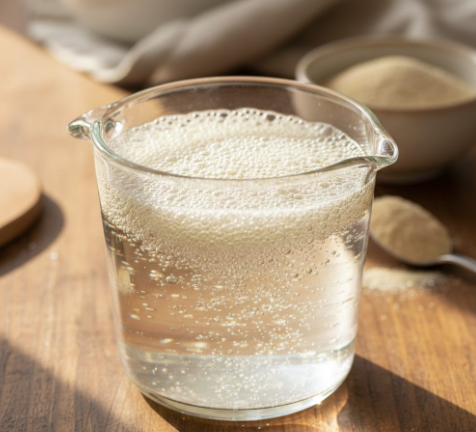
I mix 1 teaspoon of sugar into 1 cup of warm water (about 105–115°F / 40–46°C). I sprinkle the yeast on the surface and let it sit 8–12 minutes until it forms a frothy layer. If it stays flat, I discard and start with fresh yeast.
Step 2: Combine the dry ingredients
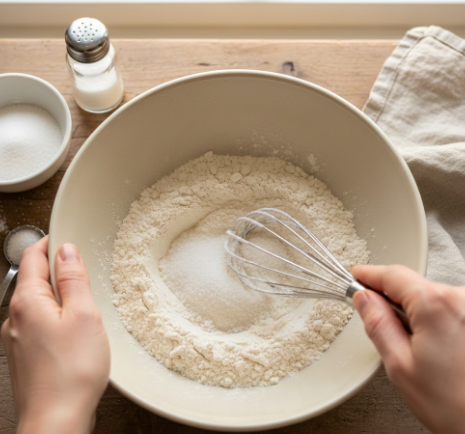
I whisk together 2 1/2 cups of all-purpose flour, the remaining sugar, and 1 teaspoon of salt in a large bowl. I make sure the salt is evenly distributed so the dough rises and tastes balanced.
Step 3: Add the wet ingredients to the dry

I create a small well in the flour mixture and pour in the activated yeast and 1–2 tablespoons of olive oil. I stir until the dough just pulls together and no large dry patches remain.
Step 4: Work the dough by hand
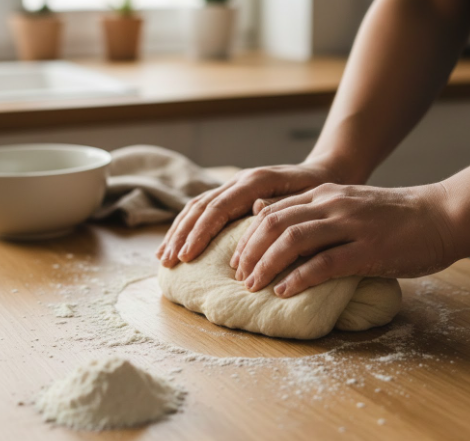
I turn the dough onto a lightly floured surface and knead for 8–10 minutes. I add small amounts of flour if it’s too sticky. I stop when the dough feels smooth and elastic.
Step 5: First rise in a warm spot
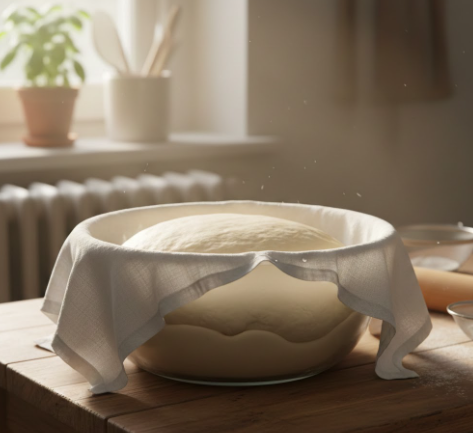
I oil a bowl, place the dough inside, and cover it with a damp cloth. I let it rest in a warm area for about 1 hour, until the dough doubles in size.
Step 6: Shape and let it rise again

I gently punch down the dough, shape it into a loaf, and set it on a parchment-lined baking sheet. I cover it and let it rise for 25–30 minutes until slightly puffy.
Step 7: Heat the oven and brush the top

I preheat the oven to 375°F (190°C). I beat one egg and lightly brush it over the loaf for a glossy, golden crust.
Step 8: Bake the loaf
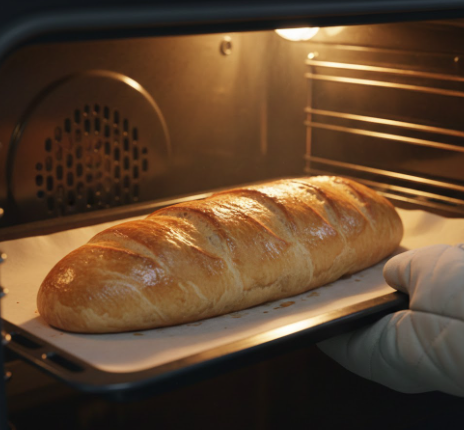
I bake the bread for 25–30 minutes, until the crust is golden and the bottom sounds hollow when tapped.
Step 9: Cool before slicing
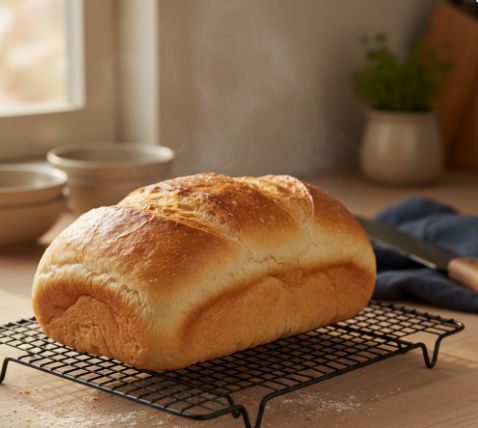
I transfer the loaf to a wire rack and let it cool completely before cutting. Cooling helps the crumb set and keeps the slices from getting gummy.
Notes
I prefer water that feels warm, not hot, so I aim for about 100–110°F (37–43°C) to wake the yeast without hurting it.
Kneading matters: I work the dough until it’s smooth and slightly elastic to build gluten for a light crumb.
I always give the dough two rises; that extra rest makes the loaf airier and more tender.
After mixing, I cover the bowl tightly to keep moisture in and avoid a dry skin on the dough.
If I won’t eat the bread within a day or two, I slice and freeze it to lock in freshness.
How I Keep Leftover Loaves Fresh
I wrap my leftover bread in a clean kitchen towel or put it in a bread box and leave it at room temperature for up to two days.
For longer storage, I slice the loaf, seal the pieces in a zip-lock bag, and freeze them. Frozen slices keep up to three months.
To use, I thaw at room temperature or toast directly from the freezer for best texture.
Sides for Soft Fluffy French Bread
I like serving this bread with simple, bold flavors that let its soft crumb shine. Try a garlic-herb butter: mix melted butter with minced garlic and chopped parsley or thyme, then spread it warm over slices.
A creamy tomato-basil soup makes a classic, cozy pairing. The bread soaks up the soup and balances its bright, tangy taste.
A fresh salad adds a crisp contrast. I toss mixed greens, cherry tomatoes, cucumber, and a light vinaigrette so the bread provides a mild, comforting bite alongside.
A cheese board turns the bread into a small feast. I include soft Brie, a sharp cheddar, and a tangy blue, plus nuts and dried fruit for texture.
- Butter, garlic, herbs = quick flavor boost
- Tomato-basil soup = warm, tangy partner
- Garden salad = crisp, refreshing side
- Cheese board = varied textures and tastes
Alternative Choices for Ingredients
I often swap ingredients to match what I have and the texture I want. For a healthier loaf, I use whole wheat flour, knowing it makes the bread a bit denser and adds a nutty note. I trade white sugar for honey when I want a natural sweetener and a slightly different flavor. If I run out of oil, melted butter gives the dough a richer, more buttery taste. When I don’t have active dry yeast, I add instant yeast straight to the dry mix so I skip the activation step and save time.
- Whole wheat — firmer crumb, nuttier taste
- Honey — natural sweetener, subtle flavor change
- Melted butter — richer flavor, softer crust
- Instant yeast — mix with dry ingredients, no proofing needed
Soft Fluffy French Bread Recipe
Tools I Use
- Small bowl for proofing yeast
- Large bowl for mixing dough
- Spoon or rubber spatula for stirring
- Baking sheet lined with parchment paper
- Damp cloth or plastic wrap for covering dough
- Oven and cooling rack
What Goes In
- 2 1/2 to 3 cups all-purpose flour
- 1 cup warm water (100–110°F / 37–43°C)
- 1 tablespoon olive oil or vegetable oil
- 1 tablespoon granulated sugar, divided
- 1 teaspoon salt
- 2 teaspoons active dry yeast
- 1 egg, beaten (for egg wash)
I measure flour by scooping and leveling. Use the lower amount first and add more if dough feels too sticky.
How I Make It
- Activate yeast: stir 1 teaspoon sugar into warm water in the small bowl. Sprinkle yeast on top and wait 8–10 minutes until it foams.
- Mix dry ingredients: in the large bowl combine 2 1/2 cups flour, remaining sugar, and salt. Stir to blend.
- Combine: make a well in the flour. Pour in the foamy yeast mixture and the oil. Mix until dough begins to form.
- Knead: flour a surface and knead 8–10 minutes until the dough is smooth and elastic. Add up to 1/2 cup more flour if needed.
- First rise: lightly oil the large bowl, place the dough inside, cover with a damp cloth, and let it sit in a warm spot about 1 hour or until doubled.
- Shape and second rise: punch down the dough gently. Shape into a loaf and place on a parchment-lined baking sheet. Cover and let rise 25–30 minutes.
- Egg wash and preheat: preheat oven to 375°F (190°C). Brush the loaf with the beaten egg for a golden crust.
- Bake: put the loaf in the oven 25–30 minutes until the top is golden and the bottom sounds hollow when tapped.
- Cool: transfer to a rack and cool before slicing. Cooling keeps the crumb from becoming gummy.
Tips and Reminders
- Use warm water, not hot — it should feel warm to the touch.
- Knead until the dough springs back; this builds the gluten for softness.
- Two rises make the bread lighter and more tender.
- If the dough dries during rising, a damp cloth prevents a crust from forming.
- Store slices in a freezer bag if you won’t eat the loaf within two days.
Estimated Nutrition
- Serving size: 1 slice (estimate)
- Calories: about 124 kcal per serving
Nutrition varies with exact ingredient amounts and slice size.
Frequently Asked Questions
- Can I bake this as gluten-free?
I can swap the all-purpose flour for a gluten-free baking mix. The blend should contain a binder like xanthan gum; if it does not, I add xanthan gum so the loaf holds together. - Do I have to use an egg wash?
I use an egg wash for a shiny, golden crust, but I can use milk or skip the wash. The crust will look different if I don’t use egg. - Why didn’t my dough rise?
I check the yeast freshness and water temperature first. Yeast works best around 100–110°F (37–43°C); colder or expired yeast will prevent proper rising. - How do I add savory flavor?
I fold herbs like rosemary or thyme into the dough. I can also mix in grated cheese or chopped olives for a stronger savory note.
Conclusion
More recipes you might enjoy
I love sharing recipes that pair well with fresh-baked bread. Below are a few favorites you can try next.
- Mango kefir lassi — a cool, tangy smoothie that balances the bread’s warmth.
- Seven Seas casserole — a hearty, savory dish perfect with thick slices.
- Quick pickled cucumbers — a bright, crisp side that cuts through richness.
Tip: Toast a slice and serve each of these on the side for a simple, satisfying meal.
FAQs
Q1: How do I get a soft, airy crumb every time?
I use a high-protein all-purpose or bread flour, warm water, and active yeast. I knead until the dough is smooth and elastic, let it rise until doubled, then shape gently to keep air pockets. Steam in the oven for the first 10 minutes helps create a good crust without drying the inside.
Q2: Is this bread safe for people with wheat sensitivities?
No. I use wheat flour, which contains gluten. People with celiac disease or gluten sensitivity should avoid this recipe or use a certified gluten-free flour and a specialized binding mix designed for yeast breads.
Q3: How long does the bread stay fresh and how should I store it?
At room temperature, I keep the loaf in a paper bag or bread box for 1–2 days to preserve crust texture. For longer storage, I slice and freeze the bread in an airtight bag for up to 3 months. Thaw slices at room temperature or toast directly from frozen.
Q4: Can I swap flours or add whole grains?
Yes, but I limit whole-grain flour to 25–50% of the mix for a light texture. More whole grain makes the loaf denser and may need extra water and longer rising time. If you use alternative flours, expect different hydration and crumb.
Q5: How does this homemade loaf compare to store-bought French bread?
My homemade loaf typically has fresher flavor, a softer interior, and a crisper, more pronounced crust when baked with steam. Store loaves often use preservatives and different shaping or baking methods that change texture and shelf life.
Q6: What maintenance do I need for consistent results?
I keep yeast fresh by storing it in the fridge after opening. I measure ingredients by weight when possible, maintain a warm proofing spot (around 75–80°F / 24–27°C), and clean my oven and baking stone or sheet regularly so heat transfer stays even.
Q7: Are there safety tips for handling yeast dough?
I avoid using water that’s too hot, which can kill yeast. I wash hands and surfaces to prevent contamination. When using sugar or butter, I follow the recipe amounts—too much fat or sugar can slow yeast activity and affect rise.
Conclusion
I recommend this soft, fluffy French bread approach because it reliably gives a light crumb and a thin, golden crust. I like recipes that use simple ingredients—flour, water, yeast, salt, and a touch of fat—because they are safe, easy to source, and kinder to the environment than processed alternatives.
Key strengths:
- Consistent texture when you follow proper kneading and rise times.
- Mild, versatile flavor that fits sandwiches, soups, and snacks.
- Low waste and minimal tools required, which makes this method eco-friendly.
Tips I trust:
- Use active yeast and warm (not hot) liquid for reliable rises.
- Handle dough gently to keep the interior airy.
- Bake until the crust is lightly golden for the best balance of softness and structure.
Choose a dependable recipe and stick with it for several bakes to learn small adjustments you prefer. I encourage you to try this method and bake regularly—practice yields steady, delicious results.