
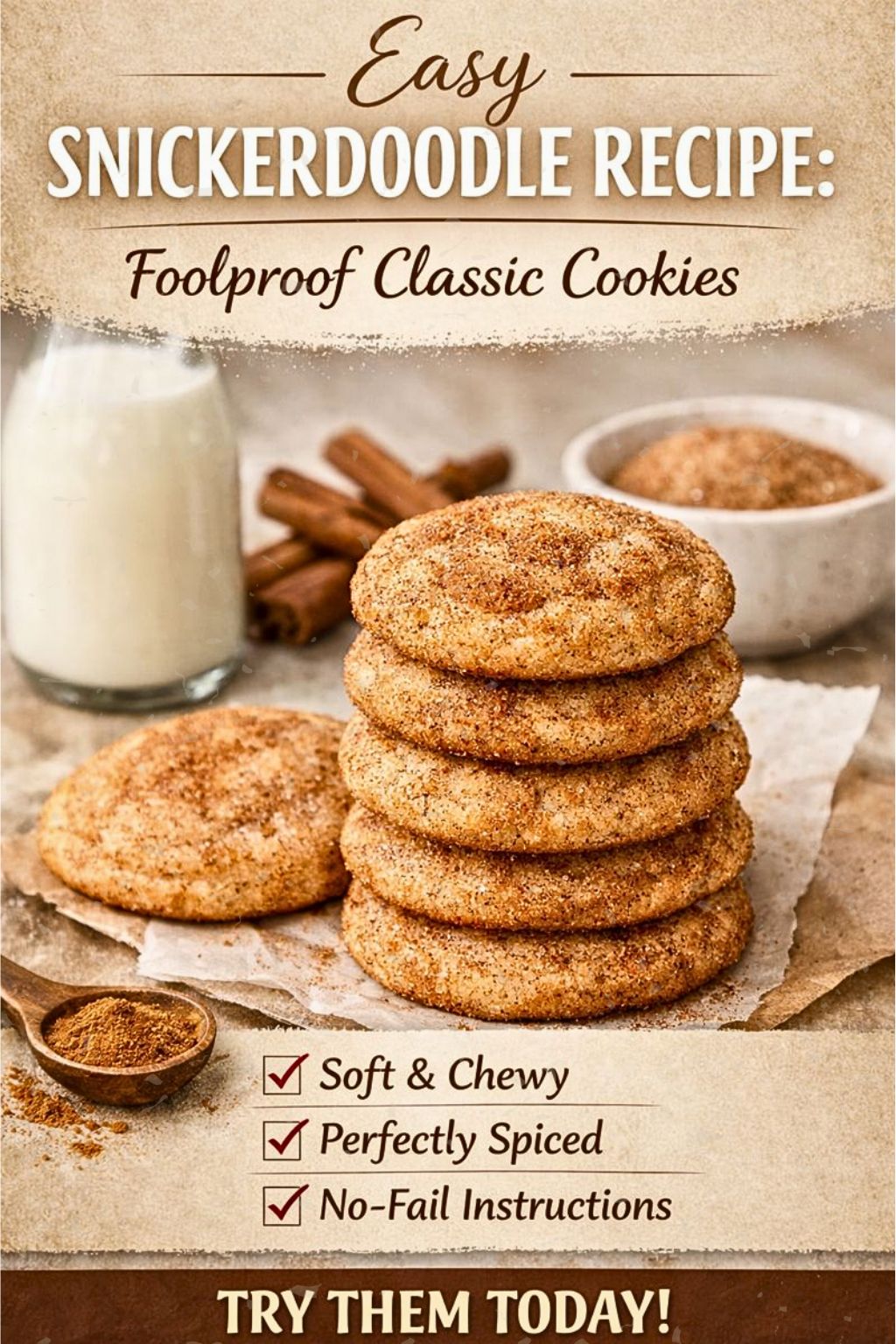
Easy Snickerdoodle Recipe: Foolproof Classic Cookies
Snickerdoodles bring back warm memories for me. A quick stir of cinnamon and sugar and I’m back in a cozy kitchen, baking with family. These cookies are simple to make but give a big payoff: a crisp, sugared outside and a soft, slightly tangy center that feels like comfort food.
I’ll share an easy snickerdoodle recipe that works every time and ideas for what to serve with them. You’ll get tips to boost texture and flavor, plus ways to store leftovers and swap ingredients if you need to.

Key Takeaways
- Snickerdoodles are easy to make and deliver a crisp outside with a soft center.
- Simple serving ideas and storage tips keep cookies fresh and tasty.
- Small ingredient swaps and baking tips help ensure consistent results.
What Is an Easy Snickerdoodle?
I make snickerdoodles by rolling simple sugar cookie dough in cinnamon-sugar before baking. They have thin, crisp edges and soft, chewy centers. I use cream of tartar for a mild tang and the classic tender texture. These cookies come together quickly with few ingredients.
Why This Recipe Works
I keep this recipe simple so the basic pantry ingredients can shine. Fewer steps mean less room for error and a reliable outcome each time.
The leavening mix—baking soda with cream of tartar—gives the cookies a chewy center and lightly crisp edge. That texture contrast makes the cookies satisfying to bite.
I balance flavors by using the cream of tartar’s mild tang against sugar and cinnamon. The tiny acid note keeps sweetness from feeling flat.
I design the method to be flexible. Small swaps like gluten-free flour or plant-based butter let me adapt the cookie for different diets without losing its key traits.
Ingredients You’ll Need To Make This Easy Snickerdoodle Recipe
I’ll use simple pantry items to make these cookies.
- Cookies: 2 large eggs; 1 cup softened unsalted butter; 1½ cups granulated sugar; 2¾ cups all-purpose flour; 1 tsp baking soda; 2 tsp cream of tartar; ¼ tsp salt; ½ tsp vanilla; ¼ tsp almond extract.
- Coating: 2 tbsp granulated sugar; 2 tsp ground cinnamon.
How To Make These?
Step 1: Heat the Oven
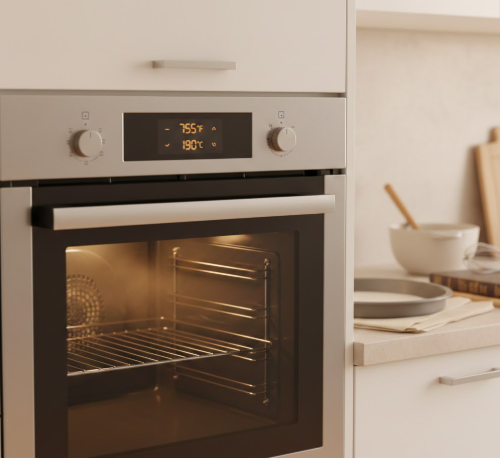
I set the oven to 375°F (190°C) so it reaches the right temperature before the cookies go in. This gives an even bake and helps the edges set properly.
Step 2: Beat the Wet Ingredients
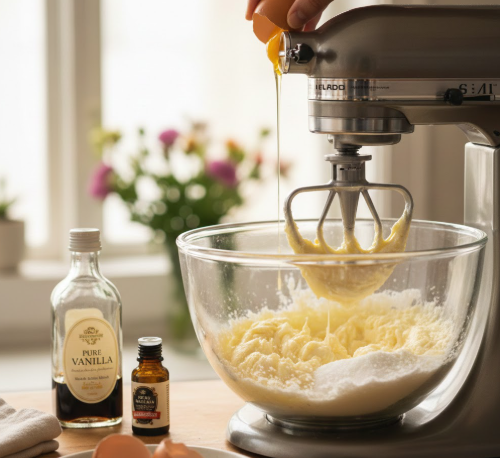
I cream softened butter with 1 1/2 cups sugar until it’s pale and fluffy. Then I beat in the eggs one at a time and stir in vanilla and a touch of almond extract.
Step 3: Combine the Dry Mix
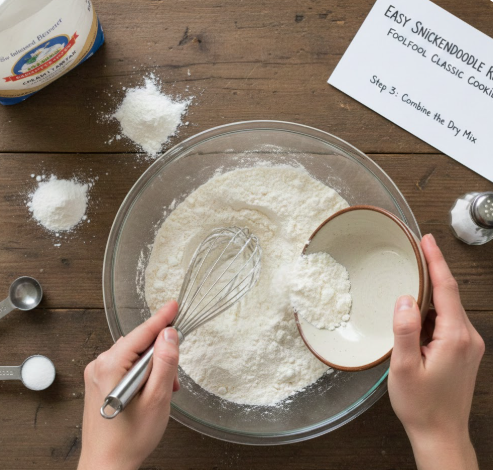
I whisk together the flour, baking soda, cream of tartar, and salt in a separate bowl. Then I add the dry mix to the wet ingredients and stir until the dough is uniform.
Step 4: Make the Cinnamon-Sugar
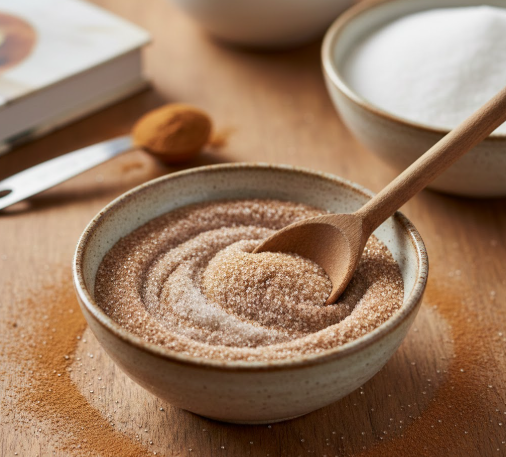
I mix 2 tablespoons sugar with ground cinnamon in a small bowl. This will coat the outside of each cookie for that classic snickerdoodle flavor.
Step 5: Shape the Cookies
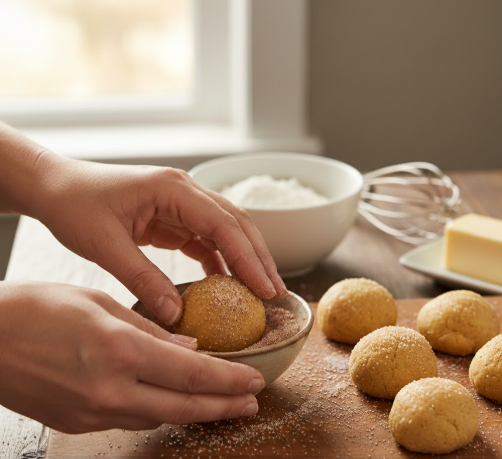
I roll the dough into walnut-sized balls with my hands. I then roll each ball in the cinnamon-sugar until it’s evenly covered.
Step 6: Bake on the Sheet
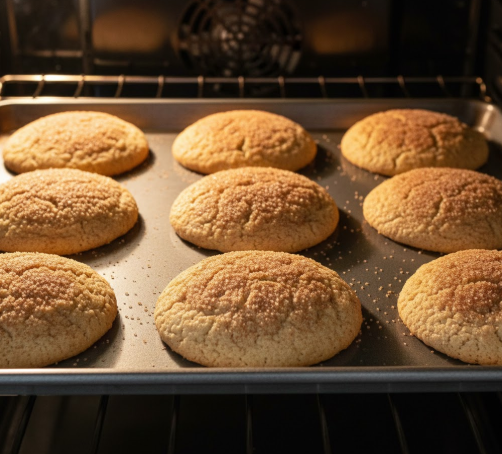
I place the coated dough balls on an ungreased baking sheet, leaving about 2 inches between them. I bake for 8–10 minutes until the edges are lightly golden while centers stay slightly soft.
Step 7: Let Them Cool
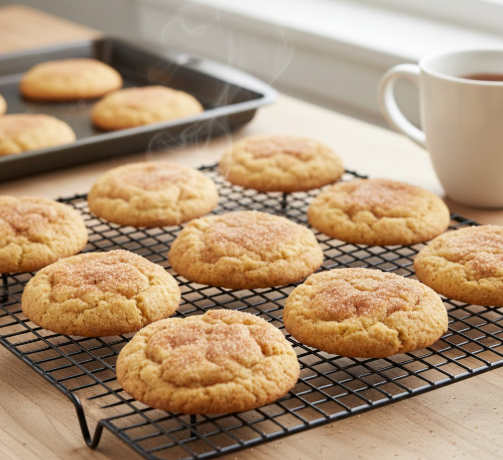
I let the cookies rest on the baking sheet for about 2 minutes, then move them to wire racks to cool fully. This helps them finish setting without breaking.
Tips For The Best Snickerdoodles
I use room-temperature butter, eggs, and other ingredients so the dough blends evenly and bakes with a consistent texture.
I pull the cookies from the oven when edges set but centers still look soft; carryover heat finishes them as they cool.
If my dough feels sticky, I chill it for about 30 minutes so balls hold their shape and don’t spread too thin.
I measure dough into equal portions with a scoop or spoon so all cookies bake at the same rate.
I mix until dry ingredients disappear into the wet mix, avoiding pockets of flour or leavening.
A quick double-roll in cinnamon sugar before baking gives each cookie a true snickerdoodle finish.
How I Keep Extra Snickerdoodles Fresh
I store leftovers in an airtight container at room temperature for up to one week to keep them soft.
For longer storage, I freeze unbaked dough balls after rolling them in cinnamon sugar. I chill them on a tray until firm, then move them to a freezer bag.
I bake straight from frozen and add about 1–2 minutes to the usual baking time.
My Favorite Things to Serve with Easy Snickerdoodles
I like pairing snickerdoodles with warm or cool drinks and a creamy side.
- Coffee: I enjoy a black or lightly sweetened cup to cut the cookie’s sweetness.
- Hot chocolate: I pair rich hot cocoa for a cozy, chocolate-cinnamon combo.
- Vanilla ice cream: I often serve a scoop alongside a warm cookie for contrast in temperature and texture.
- Apple cider: I choose spiced apple cider when I want fruity warmth that echoes the cinnamon.
Substitute Options for Ingredients
Tools and Bakeware I Use
- Large mixing bowl — for creaming butter and sugar and for dough.
- Small bowl — for mixing the cinnamon-sugar coating or wet substitutes.
- Baking sheets — use ungreased or line with parchment for easy cleanup.
- Cooling racks — let cookies finish setting without becoming soggy.
Tips:
- If you lack a wire rack, place cookies on a plate and lift them occasionally so air circulates underneath.
- A cookie scoop keeps sizes consistent for even baking.
Pantry Swaps I Trust
- Eggs: I replace each egg with 1/4 cup unsweetened applesauce for moisture and mild flavor. For a vegan or egg-free option, I mix 1 tablespoon flaxseed meal with 3 tablespoons water, let it sit 5 minutes, then use it as one “flax egg.”
- Butter: If all I have is salted butter, I use it and skip adding extra salt to the dough.
- Cream of tartar: I swap the same amount of lemon juice or white vinegar to keep the tang and react with baking soda.
- All-purpose flour: For a gluten-free batch, I use a cup-for-cup gluten-free all-purpose baking flour in place of regular flour.
- Baking powder/baking soda: Stick with the recipe amounts. If you change acids (like using lemon), keep the soda amount the same for rise.
Quick reference (short table):
- Egg → 1/4 cup applesauce or 1 tbsp flaxseed + 3 tbsp water
- Unsalted butter → Salted butter (omit added salt)
- Cream of tartar → Equal lemon juice or white vinegar
- All-purpose flour → Cup-for-cup gluten-free flour
Method Changes I Make with Substitutes
- Wet ingredient mixing: When I use applesauce or a flax egg, I fold it into the creamed butter and sugar the same way I would a regular egg. The dough may be slightly softer, so I chill it if needed.
- Dry ingredient mixing: If I swapped in gluten-free flour, I mix thoroughly to avoid lumps and let the dough rest for a few minutes so the flour hydrates.
- Coating: I keep the cinnamon-sugar ratio the same. Rolling chilled dough in the coating works better if the dough is sticky.
- Baking: I still preheat to 375°F (190°C). I check cookies at the lower end of the bake time, since some swaps can brown faster. I remove when edges are just golden and centers look slightly soft.
Step adjustments I use:
- Preheat oven as usual.
- Cream butter and sugar, then add egg substitute or egg.
- Combine dry ingredients and fold into wet mix.
- Shape, roll in cinnamon-sugar, and chill briefly if dough is soft.
- Bake 8–10 minutes; cool briefly on sheet, then move to rack.
Practical Notes and Reminders
- Room temperature ingredients blend better. I take butter and any refrigerated egg substitutes out about 30 minutes before starting.
- If dough is too soft from a substitute, chilling 20–30 minutes stops excess spreading.
- Keep dough balls uniform. I use a cookie scoop for consistent size and bake time.
- Don’t overmix once flour is added. Overworking can make cookies tough.
- Watch baking times. Substitutes can change how fast edges brown, so I check early.
I follow these swaps and small method changes to keep the cookie texture and taste close to the original when ingredients are missing.
FAQs
1. Can I swap brown sugar for white sugar?
I can use brown sugar instead of white, but expect a change. Brown sugar adds moisture and gives cookies a chewier bite and a mild caramel note. If you prefer a crisper edge, stick with white sugar.
2. How do I stop my snickerdoodles from spreading too much?
I chill the dough for at least 30 minutes to firm the butter and slow spreading. I also make sure butter isn’t melted and use fresh leavening agents. Scoop cookies evenly and bake on a cool sheet for best shape.
3. Can I double the batch?
I double the recipe often. Mix ingredients in larger bowls or use a stand mixer to keep everything even. Watch baking time — larger trays may bake slightly differently.
4. How long do snickerdoodles stay good?
I store them in an airtight container at room temperature for up to one week. For longer storage, I freeze them for up to three months.
5. Can I add other flavors?
I add small tweaks like nutmeg, orange zest, or chocolate chips for variety. Keep additions light so they don’t overpower the cinnamon-sugar coating.
