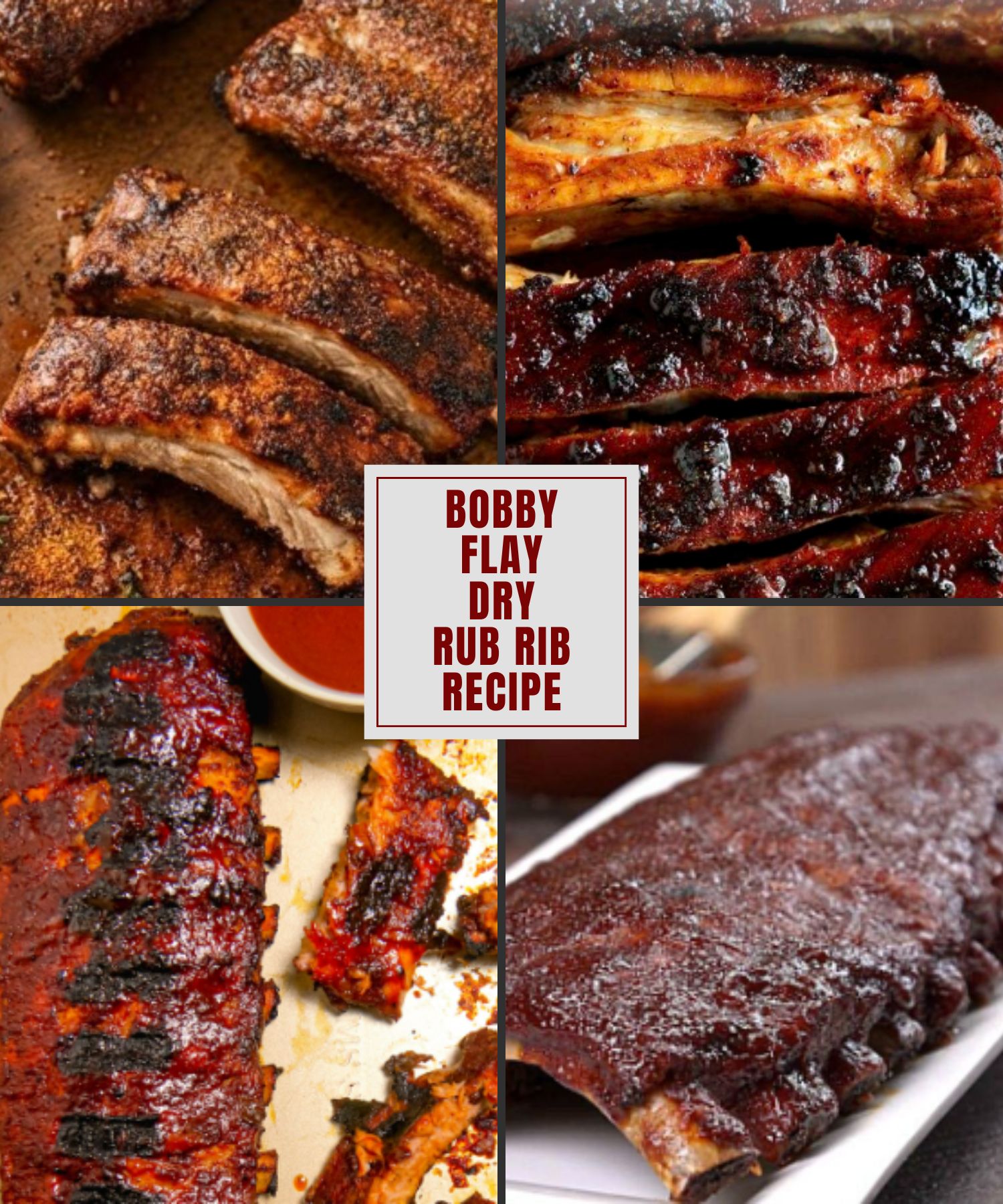
Bobby Flay Dry Rub Rib Recipe
Summer grilling brings out my best cooking. I love how a simple dry rub can turn ordinary ribs into something rich and memorable. Bobby Flay’s approach layers warm spices, a touch of sweetness, and smoky notes so the meat stays tender and full of flavor without needing heavy sauce.
I’ll guide you through making these ribs step by step, with practical tips I use in my kitchen. You’ll learn what ingredients matter, how to cook for juicy texture, and easy serving ideas that turn a meal into an event.
Key Takeaways
- Learn a simple spice blend and method for flavorful, tender dry-rub ribs.
- Follow practical tips for timing, temperature, and serving to get reliable results.
- Use easy ingredient swaps and storage ideas to adapt the recipe to your kitchen.
What I Mean by Bobby Flay’s Dry Rub Ribs
I season pork ribs with a dry spice mix that adds bold, balanced flavor without sauces.
I use the grill to lock in juices and create a smoky crust.
The rub blends heat, sweet, and savory notes for a backyard-style rib that pairs well with simple sides.
Why the Rub Works for Me
I pick spices that boost the meat’s own flavor rather than cover it. The smoky notes from paprika and the mild sweetness of brown sugar create a balanced taste that feels rich but not heavy. With a quick prep and big payoff, this rub lets me get bold, layered flavor without fuss. I use it when I want reliable, tasty ribs fast.
What You’ll Need to Make This Dish
I’ll gather the dry spices and the cooking gear before I begin.
- Spices and seasonings (measured):
- Garlic powder 1 tbsp, onion powder 1 tbsp, smoked paprika 1 tbsp
- Ground cumin 1 tbsp, chili seasoning 1 tbsp, light brown sugar 1 tbsp
- Kosher salt (coarse) 2 tbsp, black pepper 1 tsp, white pepper 1 tsp
- Dried oregano 1 tsp, cayenne 1 tsp, ground coriander 1/2 tsp
- Main protein and tools:
- One rack of ribs (baby back or spare)
- Outdoor grill or smoker and a rack or grate
- Small bowl and spoon for mixing; airtight container for storing leftover rub.
How to Make Bobby Flay Dry Rub Ribs?
Step-by-Step Method
I break the process into clear stages so you can follow easily. Each step builds on the last to develop deep flavor without fuss.
Mix the Dry Seasoning
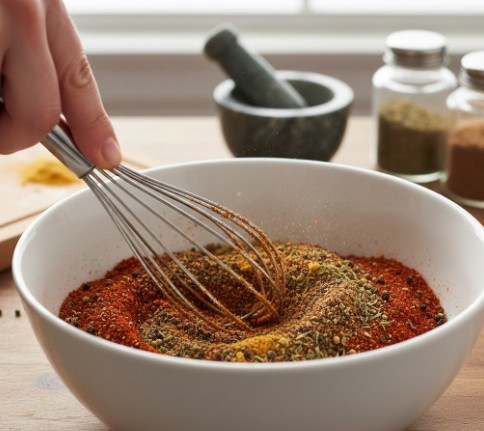
I combine all dry spices in a bowl and stir until the color and aroma are even. Use a whisk or fork to remove clumps so the rub spreads smoothly.
Get the Ribs Ready
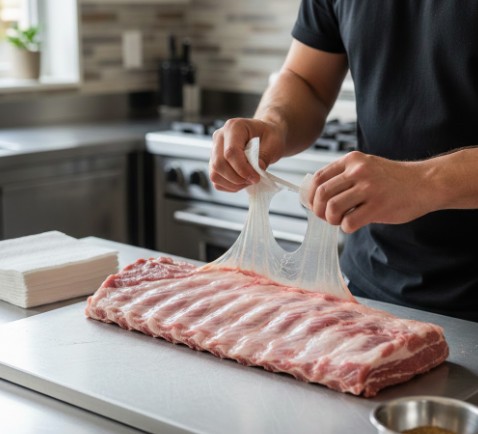
I remove the thin membrane from the back of the rack using a paper towel for grip. Then I pat the ribs dry so the rub adheres well and the bark forms evenly during cooking.
Apply the Rub Generously

I massage the spice mix over every surface, pressing it into crevices and along the bone ends. After coating, I wrap the ribs and chill them for at least an hour or overnight for stronger flavor.
Set Up the Grill for Indirect Heat
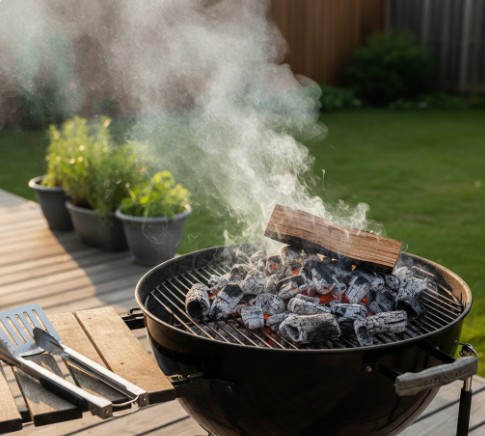
I arrange the grill for indirect cooking: light one side for gas or move coals to one side for charcoal. This creates a low, steady heat that cooks ribs gently without burning the rub.
Cook the Ribs Slowly
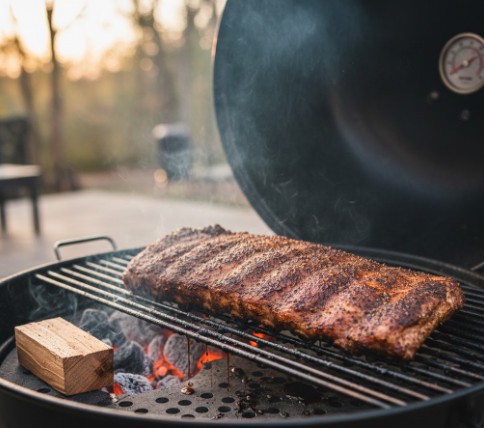
I place the ribs bone-side down on the cool side of the grill, close the lid, and maintain a low temperature. I cook for about 2–3 hours, adding smoke wood like hickory or apple if I want extra aroma.
Test for Doneness
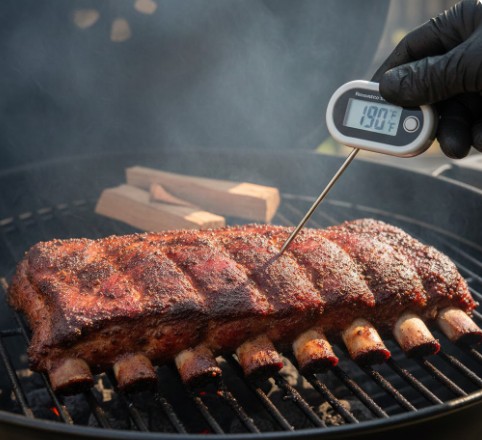
I look for the meat to pull back from the bones and feel tender when probed. I often check with a thermometer; around 190°F gives very tender ribs without drying them out.
Let Rest and Serve
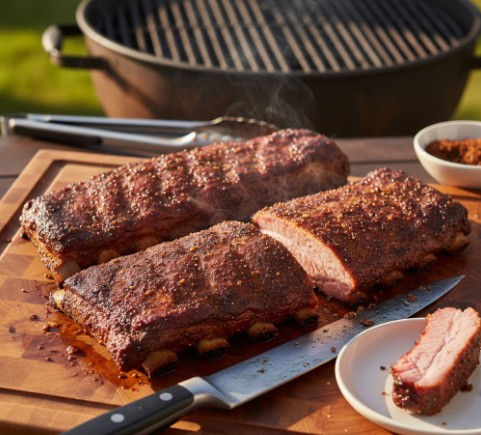
I remove the ribs and let them rest for a few minutes before cutting. Resting helps juices redistribute so each bite stays moist. Slice between the bones and serve warm.
Tips for Perfect Ribs
I pick racks with plenty of meat and little excess fat to start strong.
I rub the meat well and let it sit so flavors sink in before cooking.
I keep my grill or smoker steady; sudden heat swings make ribs cook unevenly.
I cook low and slow and resist rushing—time brings tenderness.
I tweak spice mixes to match my taste, testing small changes until the balance feels right.
How I Keep Leftover Ribs Fresh
I let the ribs cool fully, then wrap them tightly in foil or place them in an airtight container.
I refrigerate them for up to 3 days. For longer storage, I freeze ribs for up to 3 months, labeling the package with the date so I can track freshness.
Nutrition Snapshot
I list approximate values for a 3 oz serving:
- Calories: 250
- Protein: 25 g
- Fat: 16 g
- Carbs: 7 g
- Fiber: 1 g
- Sugars: 3 g
How I Suggest Serving Bobby Flay’s Dry Rub Ribs
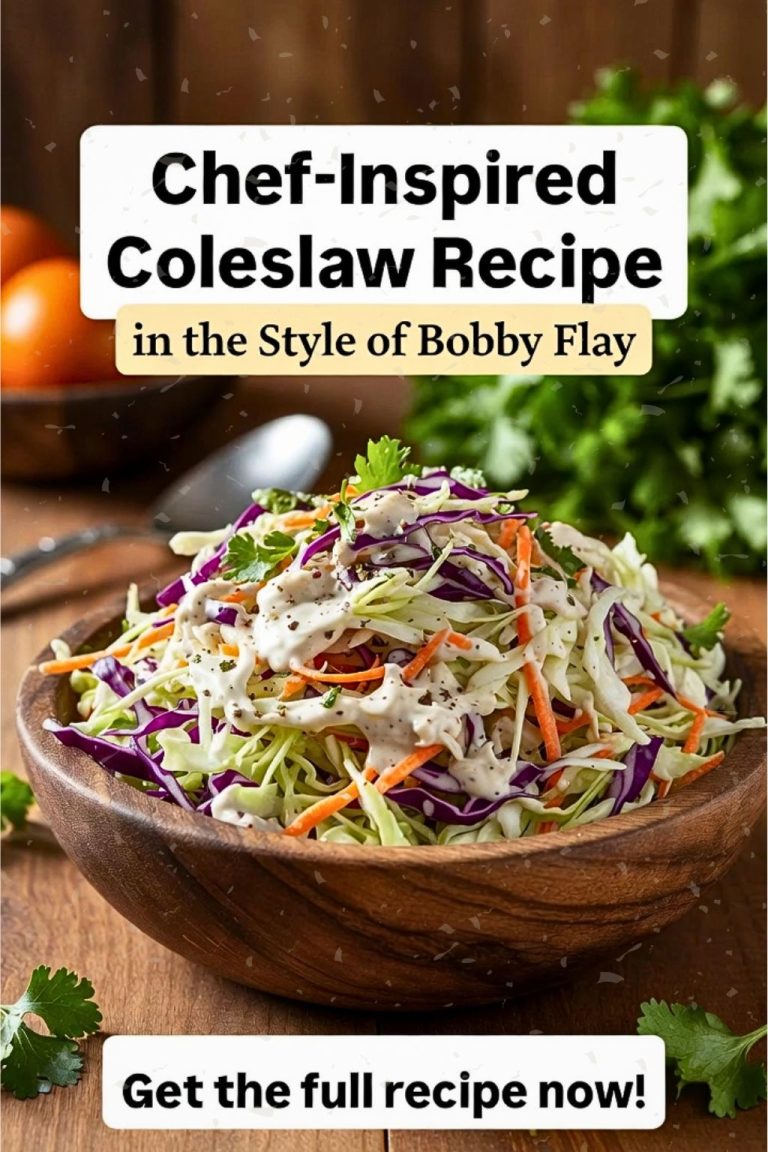
I like to keep sides simple and bold so the ribs stay the star. Serve with a crunchy coleslaw made from green and purple cabbage for color and texture. Add grilled corn brushed with butter and a pinch of salt for a sweet, smoky contrast. A creamy potato salad with chopped pickles brings a cool, tangy balance. Finish the plate with smoky baked beans to mirror the charred flavors of the ribs and tie the meal together.
What Can I Swap When an Ingredient Is Missing?
I keep a few simple swaps ready so a missing spice won’t stop cooking.
- Garlic powder → use 1 tsp fresh minced garlic per tbsp of powder.
- Ground cumin → replace with chili powder for similar warmth.
- Smoked paprika → mix regular paprika with a drop of liquid smoke.
- Kosher salt → use sea salt or table salt, but reduce the amount and taste as you go.
Bobby Flay Dry Rub Rib Recipe
Ingredients I Use
- 1 tbsp garlic powder
- 1 tbsp ground cumin
- 1 tsp ground white pepper
- 1 tbsp onion powder
- 1 tbsp light brown sugar
- 1 tbsp smoked paprika
- 1 tbsp chili seasoning (or chili powder blend)
- 1 tsp cayenne pepper
- 2 tbsp coarse kosher salt
- 1 tsp freshly ground black pepper
- 1 tsp dried oregano
- 1/2 tsp ground coriander
I mix these in a bowl until evenly combined. This makes enough to season a full rack of ribs and leaves extra for future use.
How I Make the Ribs
- Remove the membrane from the back of the ribs. I use a paper towel to grip and pull it away.
- Pat the ribs dry so the rub sticks.
- Generously coat the ribs with the rub, pressing it into the meat. I wrap the ribs in plastic and chill them for at least 1 hour, or overnight for stronger flavor.
- Set up the grill for indirect heat: one side on, the other off, or move coals to one side for charcoal. I add applewood or hickory chips for a mild smoke if I have them.
- Place ribs bone-side down over the cooler side of the grill. Close the lid and cook low and slow, about 2–3 hours.
- Check for doneness when the meat pulls back from the bone ends and the ribs feel tender. I aim for an internal temp near 190°F if I use a thermometer.
- Let the ribs rest a few minutes off the heat before slicing and serving.
I keep the grill temperature steady and avoid opening the lid often. That helps the meat cook evenly and keeps the rub from burning.
Tips and Practical Notes
- Buy fresh, meaty ribs with minimal excess fat for the best result.
- Apply the rub liberally; the flavor lives in the crust.
- Seasoning ahead improves flavor. I prefer at least one hour, and often do overnight.
- Use stable, low heat. Temperature swings give uneven cooking.
- If you smoke, choose mild woods like apple or hickory to complement the spices.
- Resting the ribs for a few minutes helps the juices settle and keeps the meat moist.
I recommend testing one rib for tenderness before removing the whole rack. If it needs more time, leave it in and check every 15 minutes.
Nutrition Information
| Serving Size | Calories |
|---|---|
| 1 serving (approx.) | 250 kcal |
This estimate applies per serving for a standard portion. Actual calories vary with meat cut, amount of rub absorbed, and any sauce or sides added.
Frequently Asked Questions
1. Can I use this rub on chicken or steak?
Yes. I use the same rub on chicken and steak.
Adjust cooking time and temperature for each meat. Chicken needs to reach a safe internal temp (165°F). Steak cooks faster and benefits from higher heat for a seared crust.
2. How long should I smoke ribs?
I smoke ribs low and slow.
Plan on about 4–5 hours at 225°F for a good smoke. Times can vary with rack size and smoker consistency, so monitor tenderness rather than just the clock.
3. Do I have to wrap ribs in foil while cooking?
Wrapping is optional but helpful.
I often wrap ribs for the last hour (Texas Crutch) to lock in moisture and speed tenderizing. If you want a firmer bark, skip the wrap or unwrap for the final stage.
4. Can I mix a large batch of the rub?
Yes — I make big batches to save time.
Store the rub in an airtight jar in a cool, dry spot. It keeps well for several months; shake or stir before using.
5. How do I tell when ribs are done?
I check bone pull-back and tenderness.
Look for the meat pulling back from the bone ends and test with a skewer or fork — it should slide in with little resistance.
6. Can I cook these ribs in the oven?
Yes, the oven works well.
I bake wrapped ribs at 275°F for about 2.5–3 hours, then unwrap for the last 30 minutes to firm the surface.
Final Thoughts
I believe the best part of making dry-rub ribs is how the process brings people together. I take care when I mix the rub, season the meat, and manage the heat because those small choices shape the flavor and texture. When the ribs come off the grill or out of the oven, the time spent shows in every bite.
I often plan a simple side or two so guests can focus on the ribs. I like to set a relaxed pace—low, steady heat and patience reward you with tender meat and a rich crust. I also find that tasting as you go helps me adjust seasoning and avoid surprises.
If I’m cooking for friends or family, I make a point to involve them. Someone can tend the grill, another can prep sides, and that shared effort makes the meal feel more meaningful. In the end, the food tastes better when people enjoy it together.
FAQs
Q: How well does this dry rub work on ribs compared to sauced ribs?
I find the dry rub gives ribs a strong, layered flavor without adding wet sauce. It forms a crust that locks in juices and adds smokiness and heat. If you prefer sticky, sweet ribs, sauce still works better, but the rub highlights the meat’s natural taste.
Q: Is the rub safe for people with dietary limits or allergies?
I recommend checking each spice and ingredient for allergens, like paprika, cumin, or brown sugar. The basic rub is gluten-free and dairy-free if you use pure spices and sugar. Swap or omit any spice that causes a reaction.
Q: How much area does one batch of rub cover?
One standard batch (about 1/2 to 3/4 cup) usually seasons one to two full racks of ribs. If you like heavier seasoning, make a larger batch. Store unused rub in an airtight container for up to 6 months.
Q: What maintenance or prep steps matter most before applying the rub?
I always remove the membrane from the bone side for better flavor penetration. Pat the ribs dry, apply a light binder like mustard if desired, and rub evenly. Let the meat rest with the rub for at least 30 minutes or refrigerate overnight for deeper flavor.
Q: How should I cook ribs after applying the rub for best results?
I recommend low-and-slow cooking. Use indirect heat on a grill, a smoker, or an oven around 225–300°F (107–150°C). Cook until tender, about 3–5 hours depending on method and rack size. Finish with a short blast of high heat or a glaze if you want a bit of char.
Q: How does this dry rub compare with other seasoning methods?
Compared to marinades, the dry rub offers a quick, concentrated surface flavor and a good crust. Compared to wet sauces, it avoids sogginess and lets the meat texture show. Each method delivers different results; I choose the rub when I want bold, non-saucy ribs.
Q: Can I use this rub on other foods, and does it change cooking times?
Yes. I use the rub on chicken, pork shoulder, and vegetables. It won’t significantly change cooking times, but watch for faster browning on smaller items. Reduce heat or move to indirect heat if the rub begins to darken too quickly.
Final Thoughts
I recommend this dry rub for anyone who wants bold, balanced ribs without a lot of fuss. The mix of sweetness, smoke, and heat gives meat deep flavor, and the dry method keeps the surface caramelized while letting the rib juices shine.
- Effective: The blend seasons deeply and works with oven, grill, or smoker.
- Safe: It uses common pantry spices and stores well in an airtight container.
- Eco-friendly: Making your own rub cuts packaging waste from pre-made bottles.
- Versatile: Use it on pork, chicken, or vegetables for consistent results.
I suggest making a double batch and testing small tweaks—more heat, less sugar, or extra smoke—until it fits your taste. Try it at your next cookout and see how simple seasoning can lift every bite.