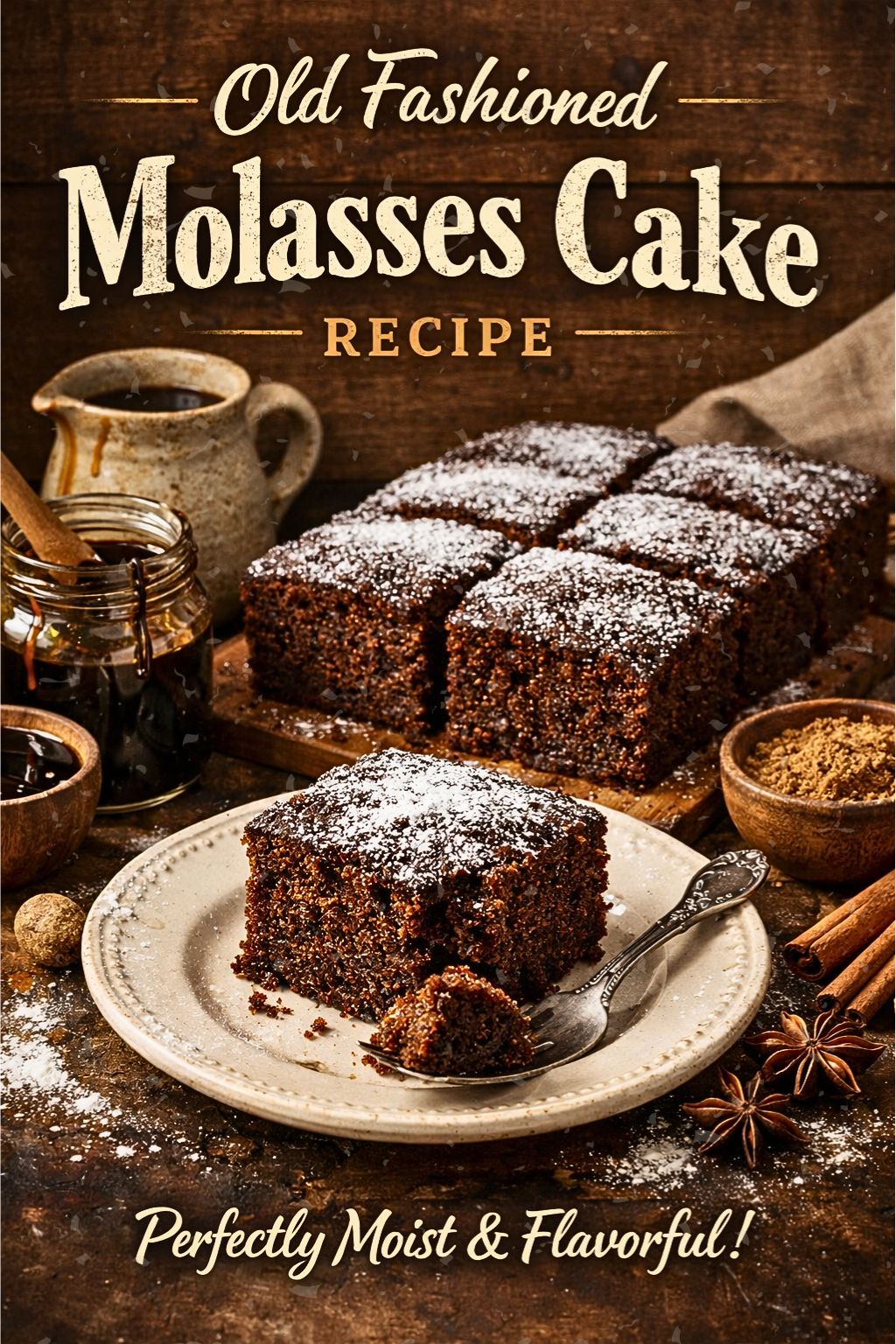
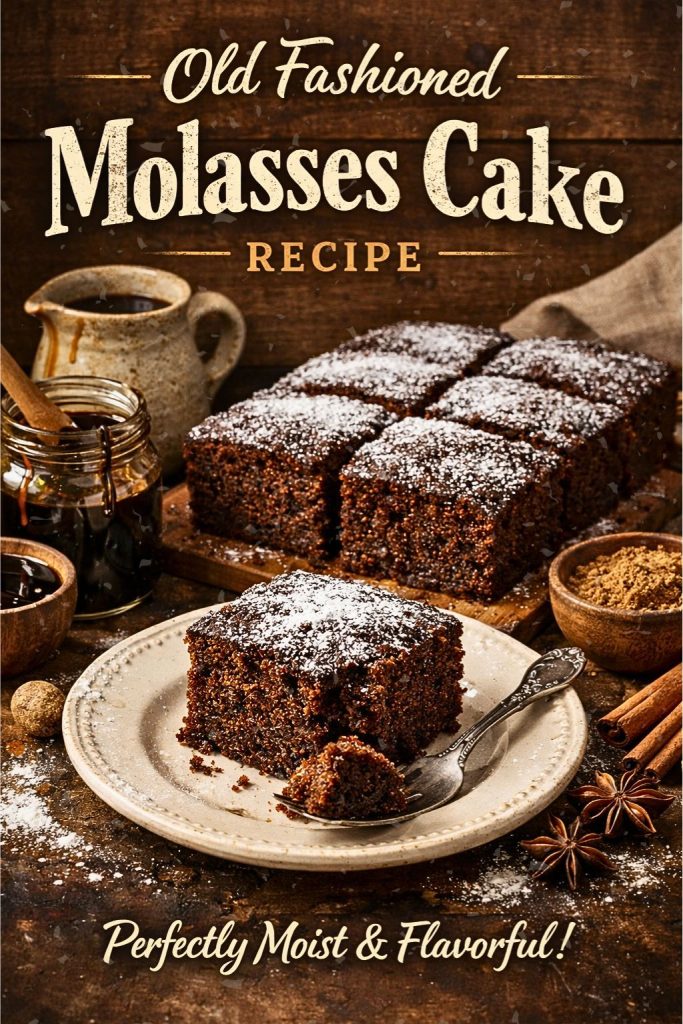
Old Fashioned Molasses Cake Recipe
I love baking recipes that connect me to the past, and the Old-Fashioned Molasses Cake fits that feeling perfectly. It brings deep, warm flavors from simple pantry ingredients and shows how a few staples can make a rich, comforting dessert without fuss.
This cake is straightforward to make, uses common ingredients, and highlights molasses as the star. I’ll share what makes it special, how to prepare it, and practical tips for ingredient swaps, storage, and serving so you can make it confidently at home.
Key Takeaways
- The cake uses simple, easy-to-find ingredients for a rich, old-fashioned flavor.
- The recipe is straightforward and suits weeknight or holiday baking.
- Swap or store ingredients thoughtfully to keep the cake moist and flavorful.
What an old-fashioned molasses cake is to me
I describe it as a simple, time-tested cake that uses molasses for a deep, slightly caramelized taste.
The crumb stays light and tender, yet full of warm, spiced flavor.
- Ingredients are basic and easy to find.
- It works for everyday desserts or special gatherings.
Why I Love This Old-Fashioned Molasses Cake
I love how simple ingredients create deep, warm flavor. The molasses and spices give the cake a cozy, slightly smoky sweetness that feels timeless.
I appreciate that the recipe uses pantry staples, so I can make it anytime without a special trip to the store. The texture stays moist and tender, and it holds up well for sharing with friends and family.
- Bold flavor from basic ingredients
- Easy to make and repeatable
- Feels nostalgic and comforting
What I Use to Make the Cake
Below I list the ingredients I use and why each one matters. I keep the list simple so the flavors stay balanced and the cake stays moist.
- Milk or Half-and-Half — I use whole milk or half-and-half for a richer batter. The extra fat gives the cake a smooth, tender crumb and fuller mouthfeel.
- All-Purpose Flour — I choose unbleached all-purpose flour for structure. It holds the cake together while still allowing a soft, tender texture.
- Eggs — I add farm-fresh eggs for moisture and binding. They give the cake strength, lift, and a golden color.
- Baking Powder — I include baking powder to help the cake rise evenly. It adds lightness without altering flavor.
- Apple Cider Vinegar — I mix in a small amount of apple cider vinegar to balance sweetness and react with baking soda for extra lift.
- Baking Soda — I pair baking soda with the vinegar to create a gentle, natural rise and a tender crumb.
- Vegetable Shortening — I use vegetable shortening to keep the cake moist and tender. It helps create a fine, soft texture.
- Granulated Sugar — I use granulated sugar for basic sweetness and structure. It also helps with tenderizing the crumb.
- Light Brown Sugar — I add light brown sugar for extra moisture and a hint of caramel-like flavor from its molasses content.
- Blackstrap Molasses — I use blackstrap molasses for deep, robust flavor. A little goes a long way to give the cake its signature, slightly bitter-sweet molasses note.
- Spices (Cinnamon, Nutmeg, Ground Cloves) — I combine cinnamon, a touch of nutmeg, and ground cloves for a warm, balanced spice profile. Each spice adds a different layer without overpowering the molasses.
- Chopped Walnuts — I fold in chopped walnuts for crunch and a toasty, nutty contrast to the soft cake.
- Plump Raisins — I prefer non-sulfur raisins for pockets of natural sweetness and a chewy texture that complements the spice and molasses.
I measure ingredients precisely and room-temperature dairy and eggs help the batter come together smoothly. I also toast walnuts lightly when I can; it deepens their flavor and improves the overall texture.
Directions
Step 1: Heat the Oven and Prep Pan
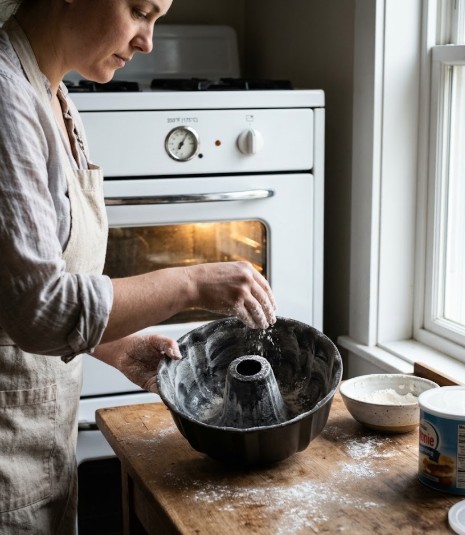
I set the oven to 350°F (175°C).
I grease and lightly flour a Bundt pan or a 9×13-inch pan so the cake won’t stick.
Step 2: Mix the Dry Elements
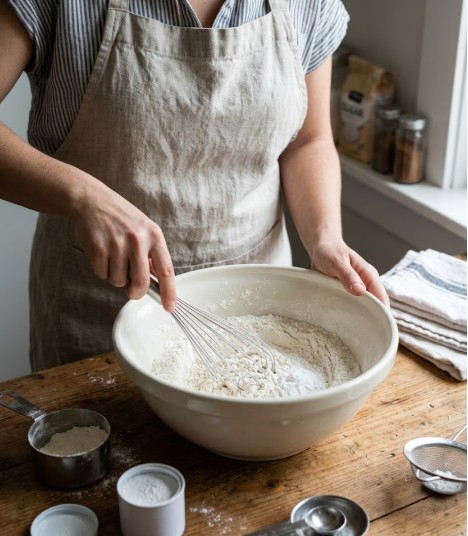
I whisk together unbleached all-purpose flour and baking powder in a large bowl.
I leave this dry mix aside until I need it.
Step 3: Make the Milk Substitute and Beat Eggs
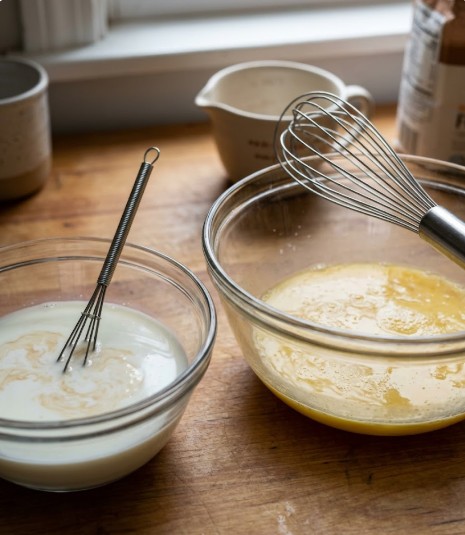
I combine whole milk or half-and-half with apple cider vinegar and let it sit for a few minutes to thicken.
I beat the eggs in a separate bowl until smooth.
Step 4: Cream Fats and Sugars
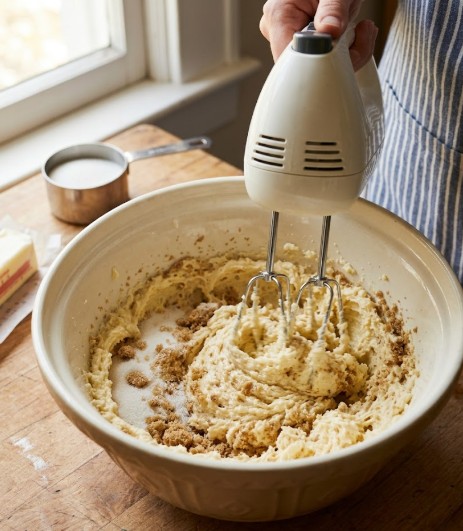
I use a large bowl to cream vegetable shortening with granulated sugar and light brown sugar.
I beat until the mixture becomes light and slightly fluffy.
Step 5: Alternate Adding Wet and Dry
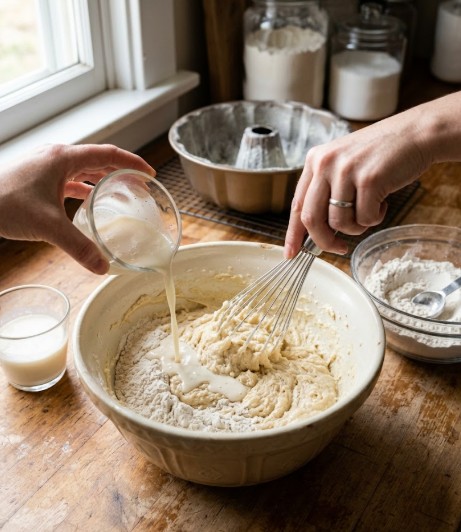
I add the beaten eggs to the creamed mixture, mixing well.
I add the dry mix and milk mixture in turns, beginning and ending with the dry ingredients, and stir until just combined.
Step 6: Add Molasses and Spices
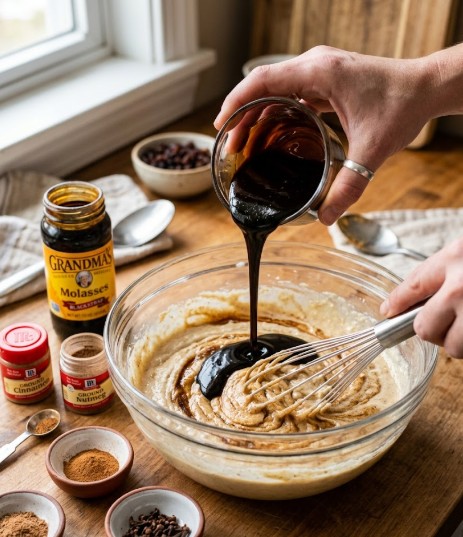
I pour in blackstrap molasses and mix.
I add ground cinnamon, nutmeg, and cloves, mixing until the spices are evenly blended.
Step 7: Fold in Nuts and Dried Fruit
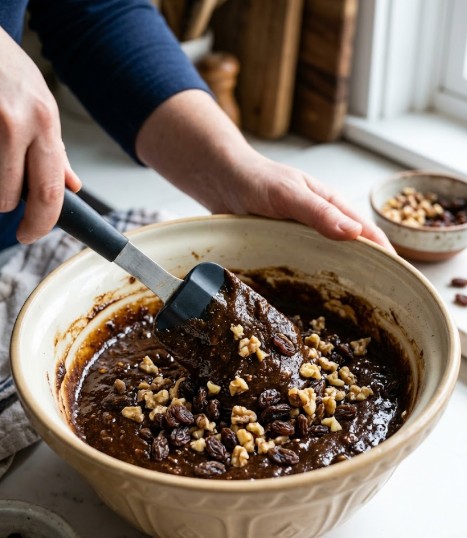
I gently fold in chopped walnuts and raisins so they spread through the batter without overmixing.
Step 8: Bake the Cake
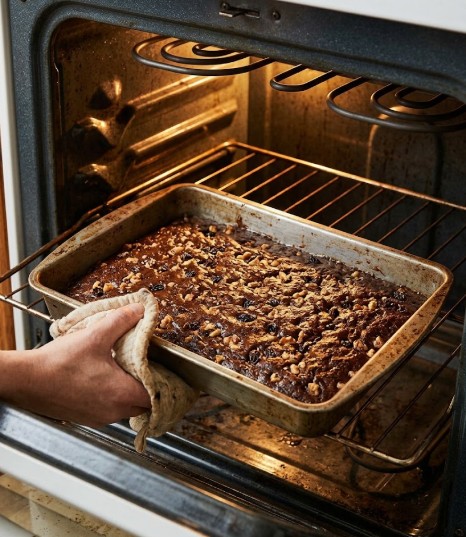
I pour the batter into the prepared pan and smooth the top.
I bake 45–55 minutes, or until a toothpick in the center comes out clean.
Step 9: Let It Cool
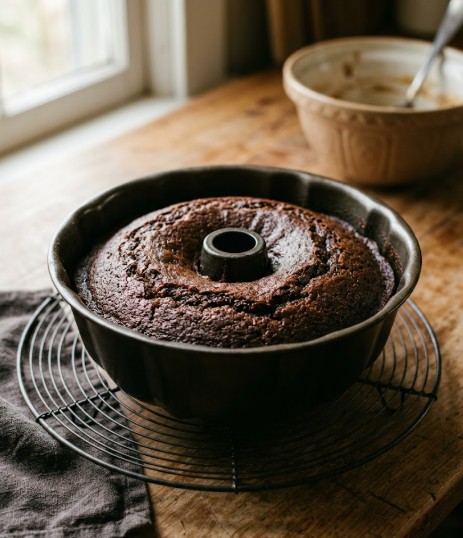
I let the cake rest in the pan for about 15 minutes.
Then I transfer it to a wire rack to cool fully.
Step 10: Slice and Serve
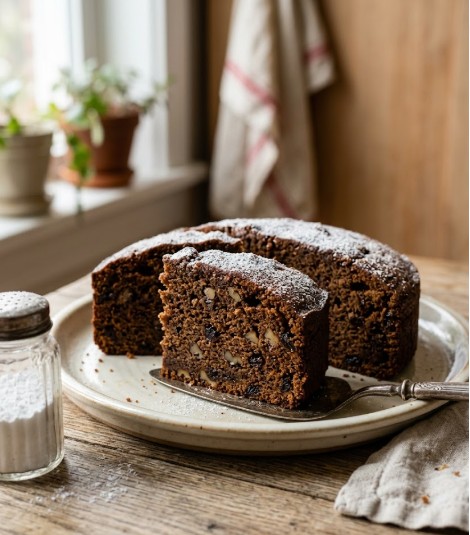
I slice the cooled cake and place pieces on a platter.
I serve plain or with a dusting of powdered sugar, if desired.
Notes
I prefer using a light-colored pan so the cake bakes evenly; dark pans can brown the edges too fast. I swap buttermilk with plain yogurt or sour cream when I’m out.
If I’m missing several spices, I use 1 teaspoon of pumpkin-pie or apple-pie spice as a shortcut. I stir the batter only until it’s combined to avoid a heavy crumb.
I store the cake in an airtight container at room temperature and use it within three days.
Storage Tips
I keep molasses cake fresh by sealing it in an airtight container at room temperature for up to three days.
For longer storage, I wrap slices tightly in plastic wrap, place them in a freezer bag, and freeze for up to three months.
Thaw in the fridge or at room temperature, then warm briefly if I want a softer crumb.
Nutrition Information
I list the main nutrition facts per slice:
- Calories: ~ (estimate)
- Carbs: Moderate, from molasses and flour
- Fat: Low to moderate depending on butter used
- Protein: Small amount from flour and egg
- Sodium: Contains baking soda/salt — check recipe for exact value
How I Serve This Cake
I like a warm slice with a scoop of vanilla ice cream or a spoonful of whipped cream. A hot cup of coffee or a cold glass of milk also pairs nicely.
- Add texture with chopped nuts or chocolate chips.
- Drizzle caramel or melted chocolate for extra sweetness.
- Spread a small amount of cream cheese frosting when I want richness.
- Top with fresh berries or a light dusting of cinnamon sugar for brightness.
What other swap can I use in an old-fashioned molasses cake?
I often reach for simple swaps when a recipe lacks an ingredient. For molasses, I use dark corn syrup or pure maple syrup for similar moisture and sweetness. I replace buttermilk with regular milk mixed with a teaspoon of lemon juice, or I use sour cream or plain yogurt for tang. I swap oil with melted butter and granulated sugar with brown or coconut sugar. For spice blends, I add a teaspoon of pumpkin pie spice or apple pie spice to keep the warm, spiced flavor.
Old Fashioned Molasses Cake Recipe
Ingredients I Use
- 1 1/4 cups whole milk or half-and-half
- 2 1/2 cups unbleached all-purpose flour
- 2 1/2 large eggs
- 1 1/4 teaspoons baking powder
- 2 1/2 teaspoons apple cider vinegar
- 1 1/4 teaspoons baking soda
- 5/8 cup vegetable shortening (or neutral oil)
- 1 1/4 cups granulated sugar
- 1 1/4 cups packed light brown sugar
- 5/8 cup blackstrap molasses (for deep flavor)
- 1 1/4 teaspoons ground cinnamon
- 5/8 teaspoon ground nutmeg
- 5/8 teaspoon ground cloves
- 1 1/4 cups raisins (non‑sulfur, if available)
- 1 1/4 cups chopped walnuts
Step-by-step Method
- Preheat the oven to 350°F (175°C). Grease and flour a Bundt pan or a 9×13 pan.
- Whisk the flour and baking powder together in a bowl. Set aside.
- Mix the milk with the apple cider vinegar and let it sit for a few minutes to make a buttermilk substitute.
- Beat the eggs until blended.
- Cream the shortening with the granulated and brown sugars until light and a bit fluffy.
- Add the eggs to the creamed mixture and mix until combined.
- Alternate adding the flour mixture and the milk mixture to the batter, starting and ending with flour. Stir until just mixed.
- Stir in molasses, cinnamon, nutmeg, and cloves. Mix until the spices are evenly distributed.
- Fold in the walnuts and raisins gently so they spread through the batter.
- Pour the batter into the prepared pan and smooth the top.
- Bake 45–55 minutes, or until a toothpick in the center comes out clean. Baking time varies by pan and oven.
- Cool 15 minutes in the pan, then turn the cake out onto a wire rack to cool completely before slicing.
Tips and Helpful Notes
- Use a light-colored pan to help the cake bake more evenly; dark pans can brown edges too fast.
- I substitute sour cream or plain yogurt for the milk-vinegar mix when I want extra moistness.
- If you lack individual spices, 1 teaspoon of pumpkin pie spice works as a simple swap.
- Mix only until ingredients come together. Over-mixing makes the cake dense.
- Store the cake in an airtight container at room temperature for up to three days.
- For a glossier finish, brush warm slices with a thin molasses glaze or serve with a scoop of vanilla ice cream.
Estimated Nutrition
- Servings: 14
- Calories per serving: ~155 kcal
Nutrition values will change if you alter ingredients, portion sizes, or add toppings.
Frequently Asked Questions
Can I bake this without molasses?
You can. I often swap molasses for dark corn syrup or pure maple syrup. Expect a milder flavor and a slightly different color and moisture level.
Is this recipe free of gluten?
No. I use all-purpose flour, which contains gluten. For a gluten-free version, use a tested gluten-free flour blend and follow its package instructions for best results.
Can I use a different pan size?
Yes. I sometimes change pan size, but I adjust baking time and check doneness earlier or later. Shallower pans bake faster; deeper pans take longer.
Can I prepare the cake in advance?
Yes. I store the cooled cake in an airtight container at room temperature for up to 3 days. For longer storage, I freeze it (see next question).
Is this cake suitable for freezing?
Yes. I wrap the cake tightly in plastic wrap, then place it in a resealable freezer bag. It keeps well for up to three months. Thaw overnight in the fridge or at room temperature.
How can I tell the cake is fully baked?
I insert a toothpick into the center; it should come out clean or with a few dry crumbs. The top should spring back lightly when touched.
Can I switch to another flour type?
Yes. I have used other flours, but texture and rise can change. When swapping, follow guidelines for that flour or use a tested conversion for best results.
Closing Thoughts
I enjoy how a simple mix of pantry staples and molasses can make a cake with real depth. The cake stays light yet moist, and the spices and molasses give it a warm, rounded taste that fits many occasions.
I recommend keeping the recipe handy for holidays or when you want a comforting dessert without fuss. Try serving it plain, with a dusting of powdered sugar, or a thin glaze to let the molasses flavor shine.
If you like experimenting, substitute blackstrap molasses for a bolder profile or mild molasses for a gentler sweet note. Small tweaks change the cake’s character without much extra effort.
FAQs
- What makes this old‑fashioned molasses cake different from other cakes?
I use dark molasses and warming spices like ginger and cinnamon to give the cake a deep, rich flavor and moist crumb. The molasses adds both sweetness and a slight bitterness that you won’t find in plain butter cakes. - Is this cake safe for children and older adults?
Yes. The ingredients are common pantry items—flour, sugar, eggs, molasses, baking soda, and spices—so it’s safe for most people. I avoid raw eggs or underbaked centers to reduce food‑safety risk, and I can suggest egg substitutes if needed. - How long will the cake stay fresh, and how should I store it?
I store the cooled cake covered at room temperature for up to 3 days. For longer storage, I wrap slices tightly and refrigerate for up to one week or freeze for 2–3 months. Thaw slowly at room temperature for best texture. - Can I change the recipe for dietary needs or preferences?
Yes. I swap whole‑wheat or gluten‑free flour blends for regular flour, use applesauce or mashed banana for some fat reduction, and try flax or commercial egg replacers for egg‑free versions. Texture and flavor will change a bit, so I test adjustments in small batches. - How does this molasses cake compare to gingerbread or spice cake?
I find molasses cake is richer and denser than many gingerbreads because of the heavier molasses and often more fat. It shares warm spice notes with spice cake, but molasses gives it a darker, more complex taste. - What are the key steps to make sure the cake bakes evenly?
I always preheat the oven, measure ingredients carefully, and avoid overmixing the batter. I also rotate the pan halfway through baking and check doneness with a toothpick in the center. - Does this cake pair well with frostings or toppings, and which ones do I recommend?
I like simple cream cheese frosting, a brown‑sugar glaze, or just a dusting of powdered sugar. Warm cake served with vanilla ice cream or whipped cream also highlights the molasses and spice flavors. - How do I prevent the cake from tasting bitter from the molasses?
I balance bold molasses with brown sugar and spices, and I use blackstrap molasses sparingly if it’s very strong. If the molasses flavor is too sharp, I reduce its amount slightly or add a tablespoon of hot coffee to mellow the taste.
Conclusion
I recommend this old-fashioned molasses cake when you want a reliable, comforting dessert that performs well every time. Its simple pantry ingredients and straightforward method make it easy to bake, while the molasses and warm spices deliver consistent flavor and moist texture.
I note that using darker molasses and fresh spices gives the best depth without extra fuss. The recipe is safe and eco-friendly: it relies on common, shelf-stable ingredients and limits food waste by using items you likely already have.
I suggest choosing a trusted recipe and following key steps—properly creamed butter and sugar, measured dry ingredients, and careful oven timing—for long-term success. Try it for holidays or weeknight treats, and you’ll likely turn it into a go-to dessert in your kitchen.