Zaxbys Asian Citrus Salad Dressing Recipe
I love a salad that feels special, and the right dressing does that work. Zaxby’s Asian Citrus Salad Dressing brightens simple greens with a mix of tangy and sweet flavors, and it pairs well with grilled chicken, mandarin-topped slaw, cooked quinoa, or veggie sushi rolls.
I’ve used it to turn an ordinary weeknight meal into something my family kept asking for. In this article I’ll explain what the dressing is like, how to make and store it, share ingredient options and tips, and answer common questions so you can make it with confidence.
Key Takeaways
- The dressing adds a balanced tangy-sweet boost to salads and Asian-style dishes.
- Simple ingredients and small swaps let you recreate it at home.
- Easy storage and quick tips keep the flavor fresh for later use.
What I Know About Zaxby’s Asian Citrus Salad Dressing
I describe a bright, tangy dressing that blends citrus notes with savory Asian flavors. I taste rice vinegar’s sharpness, sesame oil’s nuttiness, and ginger’s warmth, balanced by a touch of honey for sweetness. I use it on salads to add a lively, refreshing layer, and I also recommend it as a simple marinade for grilled chicken or a dipping sauce for appetizers.
Key features
- Citrus-forward base (lemon, lime, or orange)
- Light vinegar tang and sesame aroma
- Mild sweetener for balance
What Does This Dish Taste Like?
I find the dressing bright and lively, driven by sharp citrus notes from lemon or lime zest that wake up the salad.
Sweetness—usually from honey or a bit of sugar—softens the tart edge and makes the flavors smoother.
A small amount of sesame oil gives the mix a warm, nutty backbone, while garlic adds a savory bite.
Fresh ginger lifts the taste with gentle heat and aromatic spice without overpowering the other elements.
- Primary tastes: citrus, sweet, savory
- Supporting notes: nutty sesame, warm ginger
- Texture impact: light, silky vinaigrette that clings to greens and wonton strips
Why You’ll Love This
I reach for this dressing when I want bold, zesty flavor with almost zero fuss.
It brightens salads, doubles as a quick marinade, and makes a great dip for veggies or chicken.
I can make it in minutes using simple, whole ingredients that feel fresher than many store-bought bottles.
Its lively citrus notes lift plain dishes without needing fancy skills, so I impress guests with little effort.
- Fast to mix
- Multipurpose (salad, marinade, dip)
- Cleaner ingredients
- Widely liked by people of all ages
Ingredients: What You’ll Need
I gather the following items to make the Asian citrus vinaigrette at home:
- Fresh ginger — 1 tablespoon, grated
- Garlic — 1 teaspoon, minced
- Dark sesame oil — 1/2 teaspoon
- Tamari or soy sauce — 1 1/2 tablespoons
- Rice wine vinegar — 1/3 cup
- Brown sugar — 1 teaspoon
- Neutral oil (vegetable or canola) — 2 tablespoons
- Hoisin glaze — 1/4 cup
Step-by-Step Instructions
Step 1: Collect Everything
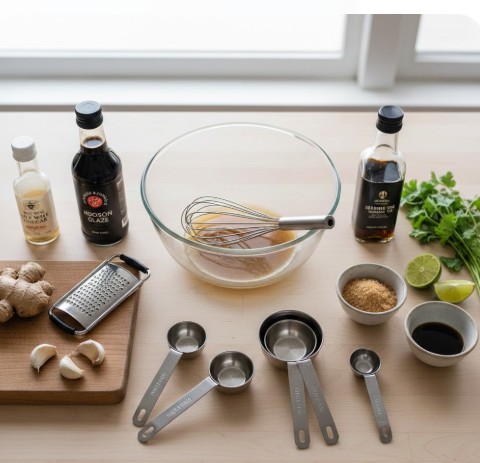
I start by laying out every ingredient and measuring them. I place bowls, spoons, and the measuring tools nearby so I don’t search mid-recipe. This saves time and keeps the process smooth.
Step 2: Build the Liquid Base
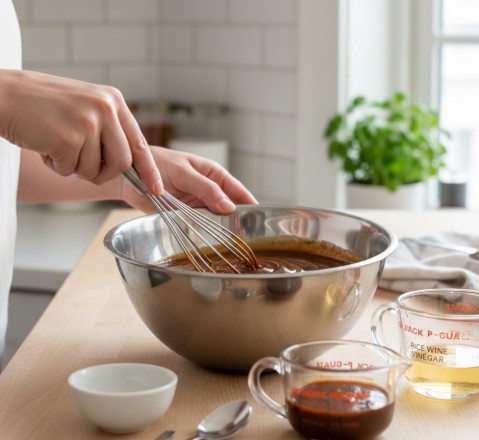
I pour rice wine vinegar and hoisin glaze into a medium bowl. I whisk them together until the mixture is even and free of lumps. This creates the tart-and-sweet backbone of the dressing.
Step 3: Add Ginger and Garlic
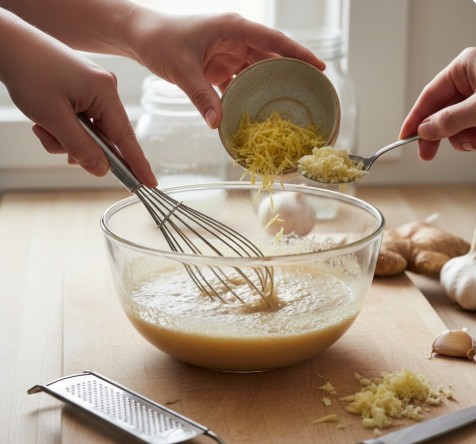
I grate fresh ginger and mince garlic, then add them to the base. I whisk again to blend their sharp, warm flavors into the liquid. These aromatics give the dressing its signature bite.
Step 4: Blend in the Oils
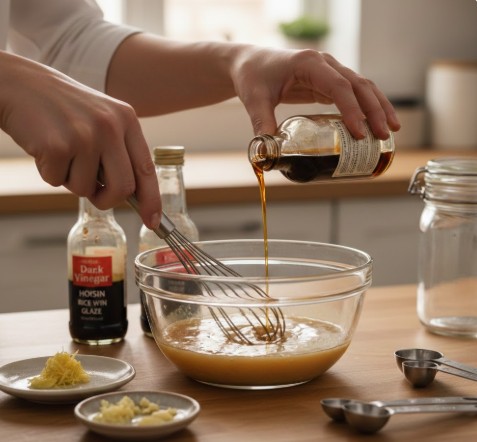
I measure and pour dark sesame oil and a neutral vegetable oil into the bowl. I whisk steadily until the oils suspend in the base and the dressing looks smooth. The oils add richness and help carry flavors.
Step 5: Adjust Seasoning
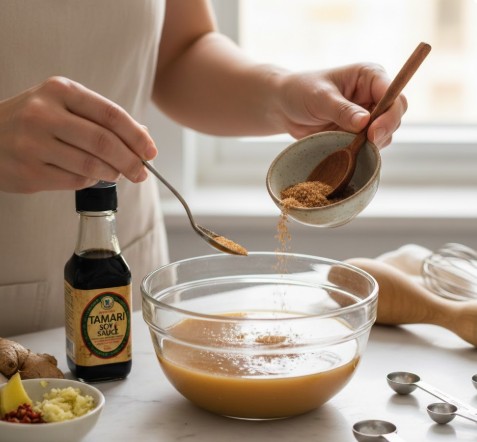
I add tamari and brown sugar, then taste the dressing. I tweak acidity or sweetness by adding a little more vinegar or sugar if needed. I keep adjusting until the balance suits my palate.
Step 6: Use or Refrigerate
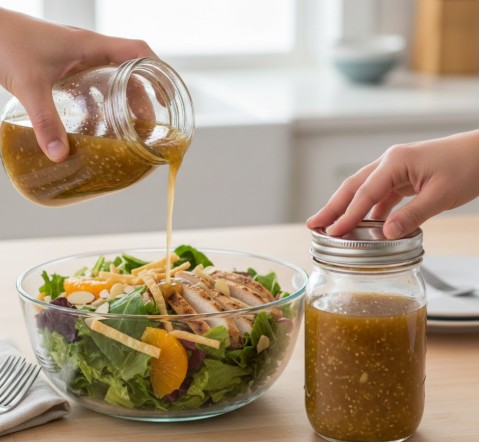
I use the dressing immediately or transfer it to a sealed jar and chill it. The dressing firms up slightly when cold, and it stays good in the fridge for several days.
Tips & Tricks
- I store extra dressing in a sealed jar in the fridge and shake it well before each use to remix settled ingredients.
- I make larger batches when I can so I have dressing ready for busy days—just label with the date.
- I adjust flavors by small amounts: a little more vinegar for tang, or a touch more honey for sweetness.
- I always use fresh garlic and ginger because they give stronger, brighter taste than dried forms.
- I chill the dressing at least an hour so the flavors blend fully before serving.
How I Store My Zaxby’s Asian Citrus Salad Dressing
I keep the dressing in a clean mason jar or any airtight container in the fridge.
It stays good for about two weeks.
- Shake well before each use.
- Cold rest helps the flavors blend and taste better.
Swap Options for Key Ingredients
I list simple swaps I use when a pantry staple is missing.
- Tamari → Soy Sauce: Regular soy sauce works fine; expect a slightly different taste.
- Rice Wine Vinegar → Apple Cider Vinegar: Apple cider gives a similar bright tang in most dressings.
- Hoisin Glaze → Sweet Chili Sauce: Sweet chili adds sweetness and heat as an easy hoisin stand‑in.
Tip: Adjust amounts to taste.
Zaxby’s Asian Citrus Salad Dressing Recipe
Tools You’ll Need
- Medium bowl
- Whisk or fork
- Measuring spoons and cups
- Small grater for ginger
- Airtight jar or container for storage (optional)
What Goes Into It
- 1 tablespoon fresh ginger, grated
- 1 teaspoon garlic, minced
- 1/2 teaspoon dark roasted sesame oil
- 1 1/2 tablespoons tamari or soy sauce
- 1/3 cup rice wine vinegar
- 1 teaspoon brown sugar
- 2 tablespoons neutral vegetable oil
- 1/4 cup sweet hoisin glaze
Step-by-Step Method
- Measure everything first so you work quickly and smoothly.
- In the medium bowl, whisk together the rice wine vinegar and hoisin glaze until you get a smooth, even base.
- Add the grated ginger and minced garlic. Whisk to combine; these give the dressing its bright, savory notes.
- Pour in the sesame oil and vegetable oil. Whisk steadily so the oils blend into the vinegar-hoisin mix.
- Stir in the tamari and brown sugar. Taste and tweak: add a bit more vinegar if you want more tang, or a pinch more sugar if you like it sweeter.
- Use immediately or transfer to an airtight container and chill. Shake or whisk again before using; the dressing may thicken when cold.
Helpful Tips
- I store leftover dressing in a sealed jar and shake it before each use.
- Making a larger batch saves time on busy days; the flavors hold up well in the fridge.
- Fresh ginger and garlic give the best flavor. I avoid dried substitutes when I can.
- Letting the dressing rest in the fridge for at least an hour helps the flavors meld.
- If the dressing separates after chilling, a quick whisk or shake brings it back together.
Estimated Nutrition (per 27 g serving)
- Calories: 71 kcal
- Fat: 6.8 g
- Carbohydrates: 2 g
- Sugar: 1 g
- Sodium: 53 mg
I use this dressing on crisp greens, grilled chicken, or as a tangy marinade.
Frequently Asked Questions
Can I use this dressing to marinate foods?
Yes. I use it to marinate chicken, tofu, or vegetables. Let the protein or veg sit in the dressing for at least 30 minutes, longer for stronger flavor.
Is this dressing safe for a gluten-free diet?
It can be. I swap regular soy sauce for a gluten-free tamari or coconut aminos to keep it gluten-free.
Which types of salads work best with this dressing?
I use it on green salads, cold noodle salads, and grain bowls. It also works well on slaws and mixed-veg plates.
How do you recommend serving the dressing?
I drizzle it over salads just before serving to keep textures crisp. I also offer it in a small bowl for dipping on the side.
Can I make a vegan version of this dressing?
Yes. I make it vegan by choosing plant-based substitutes for any non-vegan ingredients, like honey or dairy.
Final Thoughts
I made this Asian citrus dressing to bring bright, balanced flavor to simple meals. I use it on greens, as a marinade for chicken or fish, and sometimes as a dip for fresh veggies. The mix of citrus, savory notes, and a touch of sweetness lifts ordinary dishes without much fuss.
If you want to customize it, try adjusting acidity, salt, or sweetness to suit your taste. I often whisk a little more oil for a silkier texture or add crushed red pepper for heat. Keep the dressing refrigerated in a sealed jar and shake before using to restore its texture. Enjoy making it your own and sharing it at your next meal.
FAQs
Q: What ingredients do I need to recreate Zaxby’s Asian citrus salad dressing at home?
A: I use a mix of citrus juices (orange plus lemon or lime), a neutral oil (canola or grapeseed), a bit of sesame oil for nuttiness, rice vinegar or white wine vinegar, a touch of sweetener (honey or sugar), soy sauce for umami, and a pinch of salt and pepper. Fresh grated ginger or garlic adds extra zip if I want it.
Q: How do I make the dressing so it stays well blended?
A: I whisk the oil into the acidic ingredients slowly to form an emulsion, or I put everything in a jar and shake it hard for 20–30 seconds. Using a small amount of mustard or a spoon of mayonnaise can also help the dressing hold together longer.
Q: Is this dressing safe for people with soy or sesame allergies?
A: I avoid soy sauce and sesame oil if someone has those allergies. I replace soy sauce with coconut aminos or a little extra salt, and I skip sesame oil or use toasted sunflower oil for flavor. Always check labels on bottled ingredients to be safe.
Q: How long will the dressing keep in the fridge, and how should I store it?
A: I store the dressing in a sealed jar in the refrigerator. It keeps well for about 5–7 days when made with fresh citrus. If it separates, I shake it before use. Discard it if it smells off or shows visible mold.
Q: Can I adjust the flavor to be less sweet or more tangy?
A: I change the balance by adding more citrus or vinegar for tang, or more honey/sugar for sweetness. A small splash of soy sauce or a pinch of salt will boost savory depth without increasing sweetness.
Q: How does this dressing compare to other salad dressings in taste and use?
A: I find the Asian citrus dressing is bright, sweet-tart, and slightly savory from soy and sesame. It pairs especially well with grilled chicken, slaws, and salads with crunchy elements. Compared with creamy dressings, it is lighter and less heavy on the palate.
Q: Does the dressing work as a marinade or sauce, and how should I use it?
A: I use it as a quick marinade for chicken or shrimp for 15–30 minutes, or as a finishing drizzle over roasted vegetables. If I plan to marinate longer than 30 minutes, I reduce the acid slightly to avoid toughening delicate proteins.
Final Thoughts
I found that a homemade Asian citrus salad dressing brings bright citrus, balanced sweetness, and a touch of savory umami together in a way that lifts salads and grilled dishes. It works well on greens, slaws, and protein because the acid and oil create a stable, flavorful coating that enhances texture and taste.
- Effectiveness: This dressing blends orange, lemon or lime, a mild oil, and seasonings to deliver punchy flavor without overpowering other ingredients.
- Safety and eco-friendliness: Making it at home lets me control fresh ingredients and avoid preservatives or excess packaging, which is better for my health and the planet.
- Suitability for use: It adapts easily—tone down the citrus for milder dishes, add honey or a touch of soy for more depth, or use sesame oil for an Asian twist.
I recommend choosing fresh citrus, a neutral oil, and quality condiments to get consistent results. I encourage trying a small batch first, then adjusting to make it your go-to dressing for salads and light entrees.