
Sloppy Joe Sauce: Simple Homemade Recipe and Tips for Perfect Flavor
Sloppy Joe sauce blends sweet, tangy, salty, and savory flavors into a simple, hearty topping that people often pile onto bread with ground meat. I’ll show you an easy way to make this classic sauce at home and explain how it turns into a range of dishes that travel well beyond its American roots.
I will also cover step-by-step cooking tips, ways to thicken and store the sauce, and meat-free or alternative protein options so you can adapt the recipe to your needs and taste.
Key Takeaways
- The sauce combines sweet, tangy, and savory flavors for a classic sandwich topping.
- I will give a clear, step-by-step method to make the sauce from scratch.
- I include meat alternatives and storage tips to make the recipe flexible.
What I Use to Make Sloppy Joe Sauce
I make Sloppy Joe sauce with simple pantry items and ground beef. Key components: sautéed onion and bell pepper in oil, browned ground beef, and a tomato base from ketchup and tomato paste. I add Worcestershire, mustard, garlic and chili powders, brown sugar, salt, and pepper for tang and balance. These ingredients simmer until thick and coat the meat for sandwich filling.
How to Make Sloppy Joe Sauce from Scratch
Step 1: Gather and Ready Ingredients
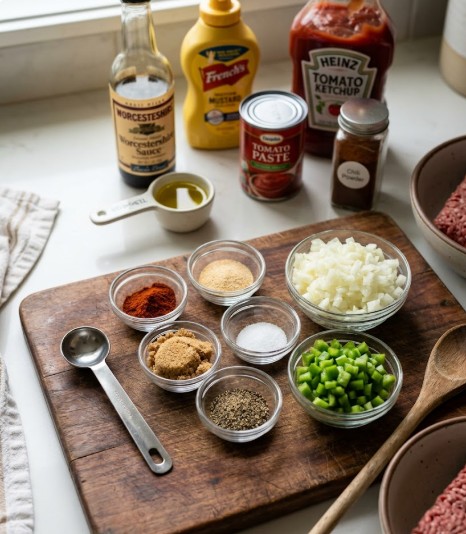
I start by collecting everything I need and making it easy to use.
I peel and rinse the onion and bell pepper, then dice them into small, even pieces.
I measure sauces, spices, and sugars into small bowls so I can add them quickly while cooking.
I also check my cans and bottles: ketchup, tomato paste, Worcestershire sauce, and mustard should be within reach.
If I want tang, I set out a teaspoon of vinegar. For heat, I place chili powder nearby.
Step 2: Cook the Beef and Vegetables
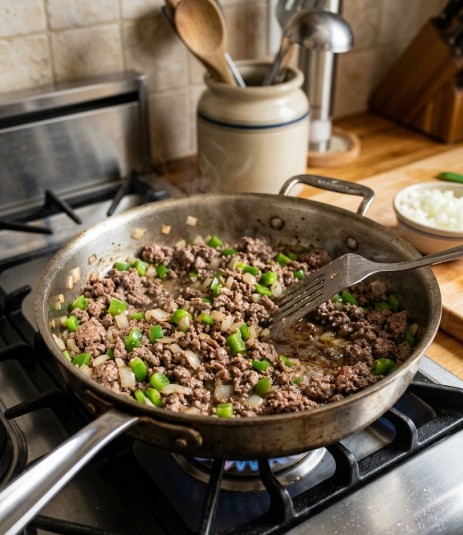
I heat one tablespoon of oil in a medium skillet over medium heat.
I add the chopped onion and bell pepper and cook them for 2–3 minutes until they soften.
Next, I add the ground beef to the pan.
I break it up and let it cook about 8–10 minutes until the meat turns brown and releases fat.
Once the beef is browned, I drain excess grease into a heatproof container or onto a paper towel to keep the sauce from getting too oily.
Step 3: Build the Tomato Base
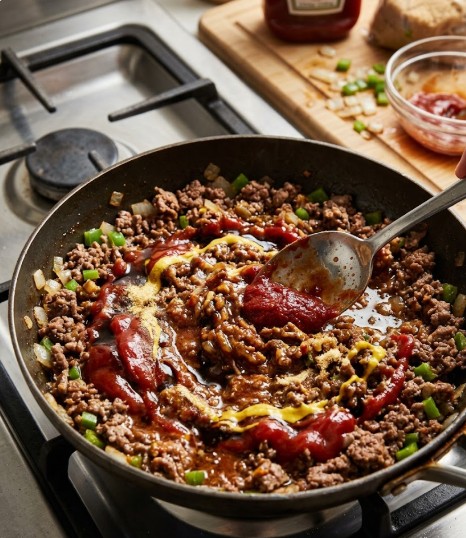
With the beef back in the pan, I stir in a good spoonful of tomato paste to anchor the sauce.
I add ketchup for sweetness and body, and a splash of Worcestershire sauce for depth.
I mix in a spoonful of yellow mustard and a scattering of garlic powder.
Then I sprinkle in brown sugar to balance acidity and enhance caramel notes.
I stir everything until the ingredients form a uniform base.
If I want a brighter bite, I add up to 1 teaspoon of white or apple cider vinegar now.
Step 4: Reduce and Thicken
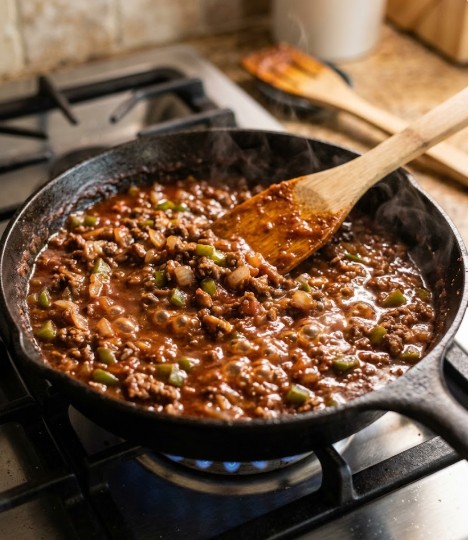
I lower the heat to a gentle simmer and let the mixture cook uncovered for 15–20 minutes.
I stir every few minutes so the bottom doesn’t stick and the flavors blend evenly.
During simmering, the sauce reduces and thickens, becoming glossy and clingy.
If it seems too thick, I add a tablespoon of water or broth at a time until it reaches the texture I want.
Step 5: Final Seasoning and Adjustments

I taste the sauce and add salt and black pepper to bring out the flavors.
For a spicy version, I add a pinch or two of chili powder; for kids, I skip it.
I give the sauce one last stir and let it sit off the heat for a minute so flavors settle.
Then I spoon the sauce onto buns or bread and serve.
Best Meat Alternatives for Sloppy Joe Sauce
Ingredients I Use
- 1 tablespoon olive oil
- 1/4 cup chopped onion
- 1/4 cup chopped bell pepper
- 1 pound protein substitute (choose one):
- Ground turkey or chicken, or
- 12 oz mushrooms, finely chopped, or
- 14 oz firm tofu, crumbled, or
- 1 1/2 cups cooked lentils, or
- 1 1/2 cups cooked black beans (drained and lightly mashed)
- 3/4 cup ketchup
- 1 small can (6 oz) tomato paste
- 1 teaspoon Worcestershire sauce (or soy sauce for vegan)
- 1 teaspoon yellow mustard
- 1 teaspoon garlic powder
- 1 teaspoon chili powder
- 2 teaspoons brown sugar
- 1 teaspoon salt
- 1 teaspoon black pepper
I list options so you can swap proteins without changing the rest of the sauce.
How I Cook It
- Heat the oil in a large skillet over medium heat. Sauté onion and bell pepper until soft, about 4–5 minutes.
- Add your chosen protein:
- For ground turkey/chicken: cook 8–10 minutes until no pink remains; drain excess fat.
- For mushrooms: cook 6–8 minutes until moisture reduces and they brown slightly.
- For tofu: crumble and cook 6–8 minutes until edges firm and lightly browned.
- For lentils or black beans: add to skillet and stir just to warm through and combine.
- Stir in tomato paste, ketchup, Worcestershire (or soy) sauce, mustard, garlic powder, chili powder, and brown sugar. Mix well so the sauce coats the protein evenly.
- Lower heat and simmer 10–15 minutes, stirring now and then, until flavors meld and sauce thickens.
- Taste and adjust salt and pepper. If it’s too thick, add a splash of water. Serve on buns.
Nutrition Notes
- Calories will vary by protein choice: turkey/chicken gives a lower-fat option; lentils and beans add fiber and plant protein.
- Using mushrooms or tofu lowers saturated fat and overall calories compared with beef.
- Lentils and black beans raise fiber and make the dish more filling.
- Swapping Worcestershire for soy sauce keeps umami while making the recipe vegan-friendly.
Final Thoughts
I enjoy how a simple sauce can change a meal. The mix of tomato tang, brown sugar sweetness, and garlic-onion savor makes a balanced base. A touch of chili powder lifts the flavor without overpowering it. I recommend following a basic recipe first, then testing swaps like turkey, lentils, or plant-based beef to fit your family’s tastes. Keep notes on each change so you can repeat the versions you like best.
FAQs
How can I make the sauce thicker?
You can thicken the sauce in a few simple ways. Simmer the sauce longer so water evaporates and it reduces to the right thickness.
Mix 1 tablespoon cornstarch with 2 tablespoons cold water to make a slurry, then stir it into the hot sauce and simmer for a few minutes until it thickens.
For a quick, natural thickener, sprinkle a small amount of ground flaxseed into the sauce and stir well. It absorbs liquid fast and firms the texture.
Is ketchup required or can I skip it?
You do not need ketchup to make the sauce. I swap in other tomato-based or savory sauces depending on what I have.
Good options include plain tomato sauce, barbecue sauce, or a homemade tomato mix with a splash of vinegar.
You can also blend tomato sauce with hot sauce, mustard, and Worcestershire to mimic ketchup’s sweet-tangy profile.
What’s the best way to store and freeze my homemade sauce?
For short-term storage, cool the sauce and put it in an airtight container in the fridge. It keeps well for 3–4 days.
To freeze, cool the sauce fully, portion it into meal-sized containers or freezer bags, and freeze at or below −18°C (0°F).
Use within about 3 months. Thaw in the refrigerator overnight and reheat on the stove until hot before serving.
FAQs
- What makes my sloppy joe sauce taste balanced?
I aim for a mix of sweet, tangy, and savory. I combine a tomato base (ketchup or tomato sauce) with a sweetener like brown sugar, a tangy element such as mustard or vinegar, and salt and spices for depth. Tasting and adjusting as it cooks helps me hit the right balance. - Is sloppy joe sauce safe to store and how long will it keep?
I cool the sauce fully, put it in an airtight container, and refrigerate. It stays good for about 3–4 days in the fridge. For longer storage, I freeze the sauce in meal-size portions for up to 3 months. - How do I reheat and maintain sauce quality?
I thaw frozen sauce overnight in the fridge or warm it gently on the stove. I reheat on low heat, stirring to keep texture smooth. If it’s too thick, I add a splash of water or broth; if too thin, I simmer to reduce. - Can I use sloppy joe sauce for things besides sandwiches?
Yes. I use it as a topping for baked potatoes, mixed into pasta, spooned over rice, or as a filling for stuffed peppers. Its sweet-tangy profile works in many simple dishes. - How does homemade sauce compare to canned brands?
I find homemade sauce lets me control sweetness, salt, and spices. Store-bought is fast and consistent, but homemade usually tastes fresher and adapts to diet needs, like less sugar or a vegetarian base. - What are safe swaps for meat in the sauce?
I swap ground beef with ground turkey, chicken, lentils, or crumbled tofu for a lighter or meat-free option. Cook these substitutes the same way and adjust seasoning and cook time as needed. - How can I keep the sauce from getting watery or too thick?
I watch the simmer. Reduce uncovered to thicken, or add liquid if it becomes too dense. Using less watery ingredients and draining cooked meat helps prevent a runny result.
Final Thoughts
I recommend homemade Sloppy Joe sauce because it delivers bold flavor, simple ingredients, and easy customization. I find it safer and fresher than canned options, since I control the salt, sugar, and preservatives.
- Taste: Tangy, sweet, and savory balance that pairs well with beef, turkey, or plant-based crumbles.
- Ease: Most recipes take 15–30 minutes and use pantry staples like tomato sauce, vinegar, mustard, and brown sugar.
- Health & safety: You can lower sodium and skip additives, making it a healthier choice.
- Sustainability: Making sauce at home cuts packaging waste and lets you use local ingredients.
Choose a reliable recipe and adjust it to your taste for consistent, long-term results. I encourage you to try a homemade batch and keep experimenting until it fits your family’s needs.