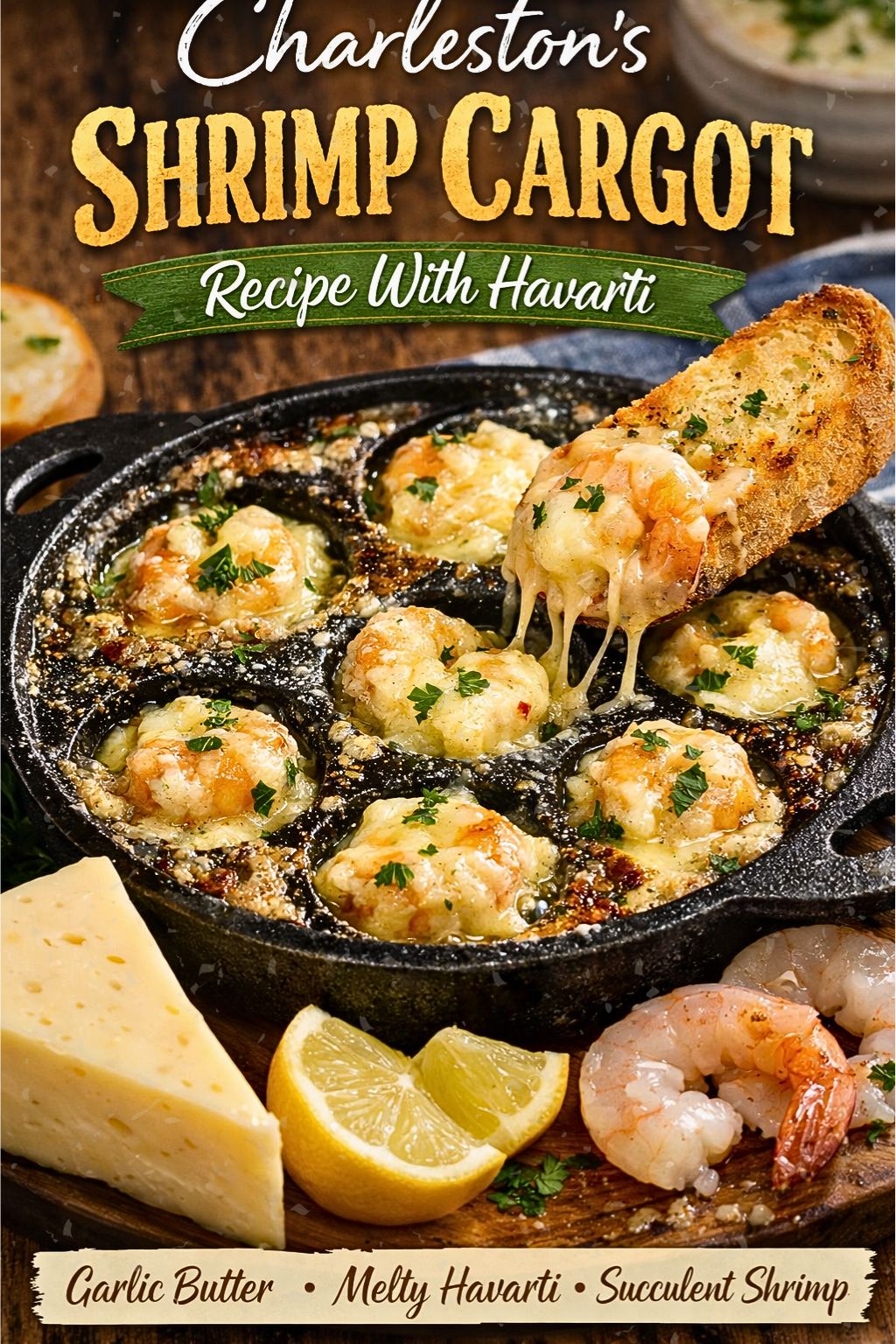
Charleston’s Shrimp Cargot Recipe With Havarti — Creamy Coastal Twist and Easy Steps
I love serving Charleston’s shrimp cargot with Havarti because it pairs rich, garlicky shrimp with creamy cheese in a way that feels both special and familiar. A simple arugula salad or garlic bread and a chilled white wine make easy, bright companions that balance the dish’s richness.
This recipe fits weeknight dinners and dinner parties since you can prep parts ahead and finish quickly. I’ll guide you through what you need, how it tastes, and practical tips so you can make it confidently at home.

Key Takeaways
- The dish blends garlicky shrimp and creamy cheese for a comforting, flavorful bite.
- Simple sides and wine help balance the richness and refresh the palate.
- The recipe is suitable for gatherings and allows make-ahead prep for easier cooking.
What I Call Charleston’s Shrimp Cargot with Havarti
I turn shrimp into a rich, garlicky bake by soaking each piece in butter and herbs, then topping with creamy Havarti. The cheese melts into a smooth, mild layer that balances the shrimp’s salty flavor. I serve it hot so the sauce stays silky and the cheese browns slightly, giving a cozy, seafood-forward bite.
What the Dish Tastes Like to Me
I taste sweet, tender shrimp first, wrapped in a glossy, buttery sauce. Garlic gives a warm, savory scent, and Havarti melts into a smooth, creamy layer. A faint sting from red pepper flakes arrives after the first bite, while a small squeeze of lemon brightens and lifts the richness.
- Bold richness: butter + Havarti
- Bright note: lemon
- Warm spice: red pepper flakes
What Sets My Version Apart
I use Havarti to give the dish a richer, creamier texture than many versions that use milder cheeses. I add a pinch of crushed red pepper to lift the flavor with gentle heat without masking the shrimp.
I keep the technique simple so cooks of any skill can make it, yet the result feels refined enough for guests. I focus on Charleston flavors while avoiding rare ingredients or tricky steps, so the dish stays true and approachable.
Ingredients You’ll Need
I gather the following items to make this dish:
- 2 tbsp unsalted butter — adds a rich, smooth base.
- 1 tsp minced garlic — gives savory depth.
- 12 jumbo shrimp — peeled, deveined, and ready to cook.
- 1/2 cup Havarti cheese, shredded — melts into a creamy topping.
- 1 tbsp lemon juice — brightens the flavors.
- 1/4 tsp crushed red pepper flakes — a light, warming kick.
Step-by-Step Directions
Step 1: Get the Shrimp Ready

I peel and devein the shrimp if needed, then rinse them briefly and pat them dry with paper towels. I check for freshness and set the shrimp aside on a plate while I gather the rest of the ingredients.
Step 2: Cook the Garlic in Butter
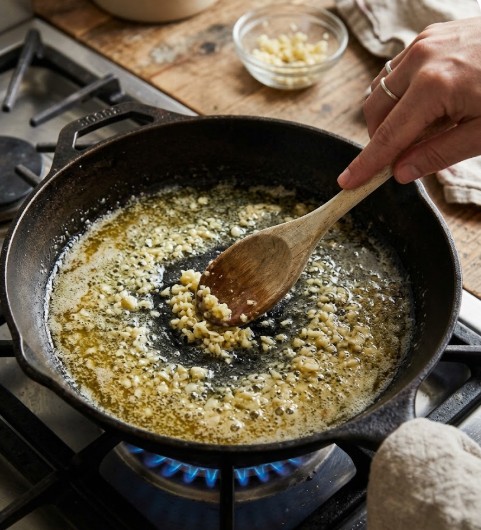
I heat unsalted butter in a skillet over medium heat until it melts. I add minced garlic and cook it 1–2 minutes, stirring, until it smells fragrant but not browned.
Step 3: Sear the Shrimp
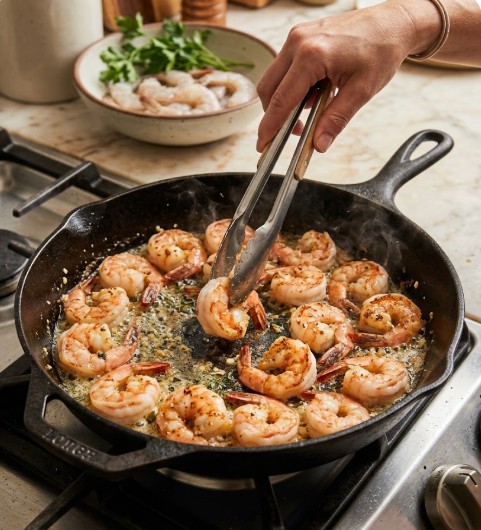
I add the shrimp to the skillet and cook about 4–5 minutes, turning once so both sides cook evenly. I watch for a pink color and opaque flesh to know they are done.
Step 4: Add Havarti and Blend

I lower the heat and scatter shredded Havarti over the shrimp. I stir gently until the cheese melts and forms a smooth, creamy coating around the shrimp.
Step 5: Finish with Brightness and Heat
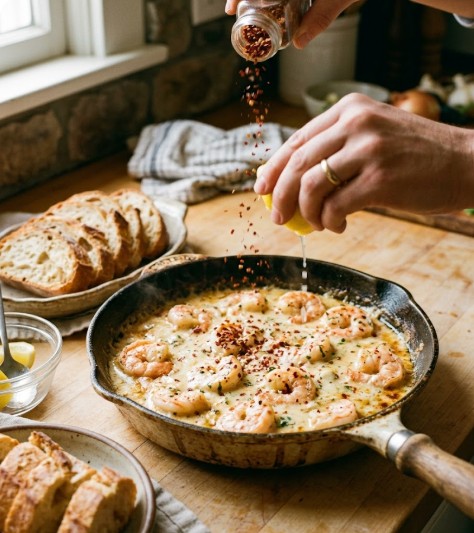
I squeeze a little lemon juice over the shrimp and sprinkle crushed red pepper to taste. I give a final stir, then transfer the shrimp to a serving dish.
- Tip: Serve with crusty bread to soak up the sauce.
- Tip: Adjust red pepper to your preferred spice level.
Tips on Making Charleston’s Shrimp Cargot
I pick fresh shrimp whenever possible; they taste better and cook more evenly than thawed ones.
I keep heat moderate to avoid rubbery shrimp — a quick sizzle, not a hard sear.
I swap cheeses to change the dish: Gruyère gives nuttiness, mozzarella melts extra creamy.
I finish with bright garnishes like chopped parsley and a few red pepper flakes for balance.
I often add small amounts of basil or chives to lift the flavor without hiding the shrimp.
How I Keep Leftover Charleston Shrimp Cargot
I let leftovers cool, then seal them in an airtight container. I store them in the fridge for up to 2–3 days. To reheat, I warm gently on the stove and add a little butter for extra creaminess.
If the Items Are Missing from Your Kitchen, What Can You Swap In?
Ingredients — alternative options I recommend
- Butter (unsalted): Use olive oil or coconut oil for sautéing. Use about the same volume, or slightly less for olive oil.
- Minced garlic: Substitute garlic powder — 1/4 teaspoon equals roughly 1 clove for background flavor. For a closer fresh taste, use 1/2 teaspoon if you like stronger garlic.
- Jumbo shrimp: Swap with scallops or thin-sliced chicken breast. Scallops keep a seafood feel; chicken changes the texture but cooks similarly. Adjust cooking time: chicken needs a couple of extra minutes.
- Creamy Havarti cheese: Blend cream cheese with mozzarella (about 2:1 cream cheese to mozzarella) to mimic creaminess and melt. You can also use Gruyère or plain mozzarella if you want a milder or nuttier note.
- Lemon juice: Fresh lemon is best, but bottled lemon or a splash of white wine vinegar works in a pinch. Use half the vinegar amount and taste as you go.
- Crushed red pepper flakes: Substitute with a pinch of cayenne or a few shakes of hot sauce for heat control.
Method — quick steps when using swaps
- If I use oil instead of butter, I heat the pan to medium and watch closely; oil tolerates heat differently than butter.
- For garlic powder, I add it toward the end of sautéing so it doesn’t burn and turns bitter.
- When I cook scallops or chicken instead of shrimp, I adjust timing: scallops need about 2–3 minutes per side, thin chicken strips 4–6 minutes total until no pink remains.
- I melt the cheese mix over low heat and stir gently so the cream cheese combines smoothly with melted mozzarella. If the sauce is too thick, I loosen it with a teaspoon of water, stock, or lemon juice.
- I add acidic ingredients (lemon or vinegar) at the end to brighten the dish without breaking the sauce.
Nutrition — what changes to expect
- Swapping butter for olive oil reduces saturated fat and adds more monounsaturated fat.
- Replacing shrimp with chicken increases calories slightly and raises total fat if you choose dark meat; protein stays high with either choice.
- Using cream cheese plus mozzarella may raise saturated fat and calories compared with Havarti, depending on quantities. Light cream cheese and part-skim mozzarella lower those values.
- Lemon or vinegar adds negligible calories but boosts vitamin C if you use fresh lemon.
Notes — quick tips I follow
- I prefer fresh shrimp or seafood for best flavor; frozen works but may release water as it thaws.
- I avoid high heat with seafood to prevent rubbery texture.
- I always taste as I adjust swaps — small changes in salt, acid, and spice fix balance quickly.
- I garnish with fresh herbs (parsley, basil, chives) to add freshness, especially when a swap dulls flavor.
Frequently Asked Questions
- Can I use frozen shrimp?
I use frozen shrimp often. Thaw them fully and pat dry so they don’t water down the sauce while cooking. - Can I make this ahead?
I assemble the dish up to the baking step, cover it, and refrigerate. When I’m ready to serve I bring it close to room temperature and then cook. - Is this safe for a gluten-free diet?
I treat the recipe as naturally gluten-free, but I check labels and avoid cross-contact if someone has a severe sensitivity. - How hot will it be?
I control spice with crushed red pepper. A pinch gives mild heat; add more if you like it spicy. - What should I serve with it?
I like a green salad, crusty garlic bread, or a small portion of pasta to catch the sauce.
Final Thoughts
I love how a few simple moves turn shrimp, butter, garlic, and Havarti into something that feels special. I often serve this dish as an appetizer, but it works well as a main with crusty bread or a light salad.
When I cook it, I focus on fresh shrimp, hot oven time, and just enough cheese to add creaminess without hiding the seafood. Small tweaks—extra herbs, a squeeze of lemon, or a dash of spice—let me tailor the dish to the crowd.
Give it a try at your next gathering. You’ll get warm plates, quick clean-up, and plenty of smiles.
FAQs
- Can I trust this recipe to turn out well the first time?
I find this recipe reliable if I follow the steps and use fresh ingredients. Key points: start with large, peeled shrimp, use real butter and fresh garlic, and heat the oven until it’s hot so the cheese melts and the sauce bubbles. Baking time is short, so watch closely to avoid overcooking. - Is this dish safe to eat for people with shellfish allergies?
No. I do not recommend this dish for anyone with a shellfish allergy. Cross-contact can occur when preparing shrimp, so it’s safer to avoid serving it to people with allergies. - How much of the kitchen does one pan cover—does it feed a small group?
A standard recipe using about 12 large shrimp serves 3–4 as an appetizer or 2 as a main with sides. I scale up the ingredients evenly if I need to serve more people, and I use multiple baking dishes or a larger casserole dish. - How do I keep the shrimp moist and not rubbery?
I prevent rubbery shrimp by not overcooking them. Shrimp cook fast; I bake them just until they turn pink and the cheese is bubbly. Marinating briefly in a little lemon and oil or using generous garlic butter also helps keep them tender. - What maintenance or prep should I do ahead of time?
I peel and devein the shrimp, grate the Havarti, and mix the garlic butter ahead of time. You can assemble the dish and refrigerate it for up to a few hours before baking. Bring it to room temperature for 15 minutes before cooking for more even baking. - How does this compare to traditional escargot or other shrimp bakes?
Compared with classic escargot, this dish swaps snails for shrimp and uses Havarti cheese for creaminess. Compared with plain garlic-butter shrimp, the cheese adds a richer, milder flavor. I prefer this version when I want a cheesier, more indulgent appetizer. - Are there safety tips for reheating leftovers?
I reheat leftovers in a preheated oven at a moderate temperature until heated through to keep texture and avoid sogginess. Avoid repeated reheating; eat leftovers within 2 days and store them covered in the fridge.
Conclusion
I recommend Charleston’s shrimp cargot with Havarti as a reliable choice when you want a rich, approachable seafood starter. The dish balances garlic-butter flavor with creamy Havarti and tender shrimp, making it both tasty and easy to prepare for guests or a weeknight treat.
- Effectiveness: It delivers bold flavor quickly with simple steps—sauté, top with cheese, and bake or broil until bubbly.
- Safety: Use fresh or properly thawed shrimp and cook to an internal temperature of 145°F (63°C) to avoid risks.
- Eco-friendliness: Choose sustainably sourced shrimp and locally made Havarti when possible to lower environmental impact.
- Suitability: It works well for dinner parties, casual gatherings, or a special family meal. You can scale portions and adjust seasonings to fit dietary needs.
I encourage picking quality shrimp and cheese, following safe cooking practices, and trying the recipe soon to enjoy a dependable, crowd-pleasing appetizer.