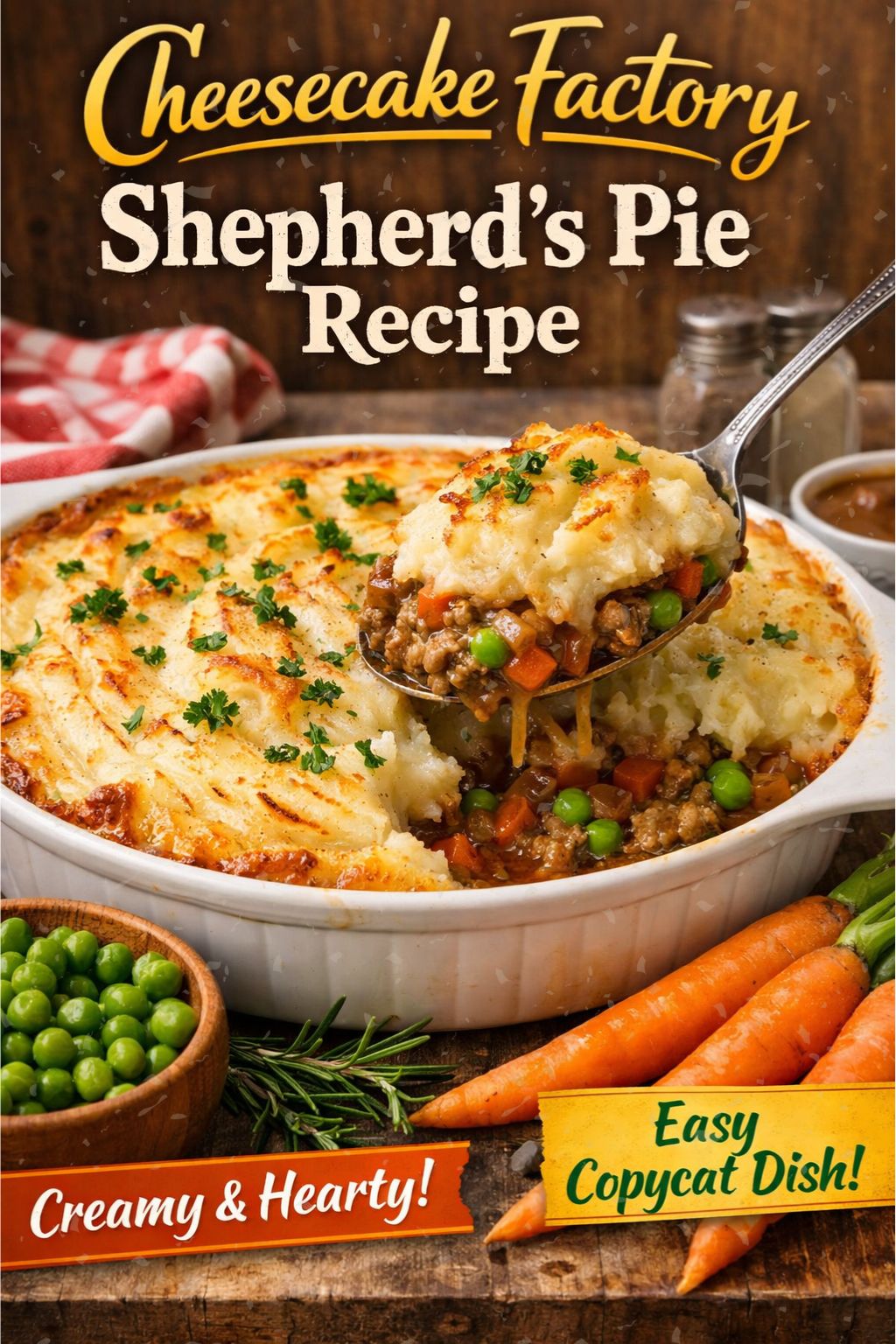
Cheesecake Factory Shepherds Pie Recipe
I love pairing a rich Cheesecake Factory–style Shepherd’s Pie with simple, bright sides that balance its hearty flavors. A crisp green salad with a tangy vinaigrette or some steamed broccoli adds freshness, while roasted vegetables bring texture. Tangy condiments like apple sauce or cranberry chutney lift the dish, and warm crusty bread soaks up any savory juices.
This recipe draws on the comfort of family meals and familiar aromas—savory filling and creamy mashed potatoes—and aims to recreate that feeling at home. I’ll walk you through the flavors, ingredients, and easy techniques so you can make a satisfying, crowd-pleasing Shepherd’s Pie that feels both special and comforting.
Key Takeaways
- The pie pairs best with bright, fresh sides to balance its richness.
- Simple techniques and familiar ingredients deliver comforting, home-style flavor.
- Small touches like tangy condiments and warm bread elevate the meal.
What I Know About Cheesecake Factory Shepherd’s Pie
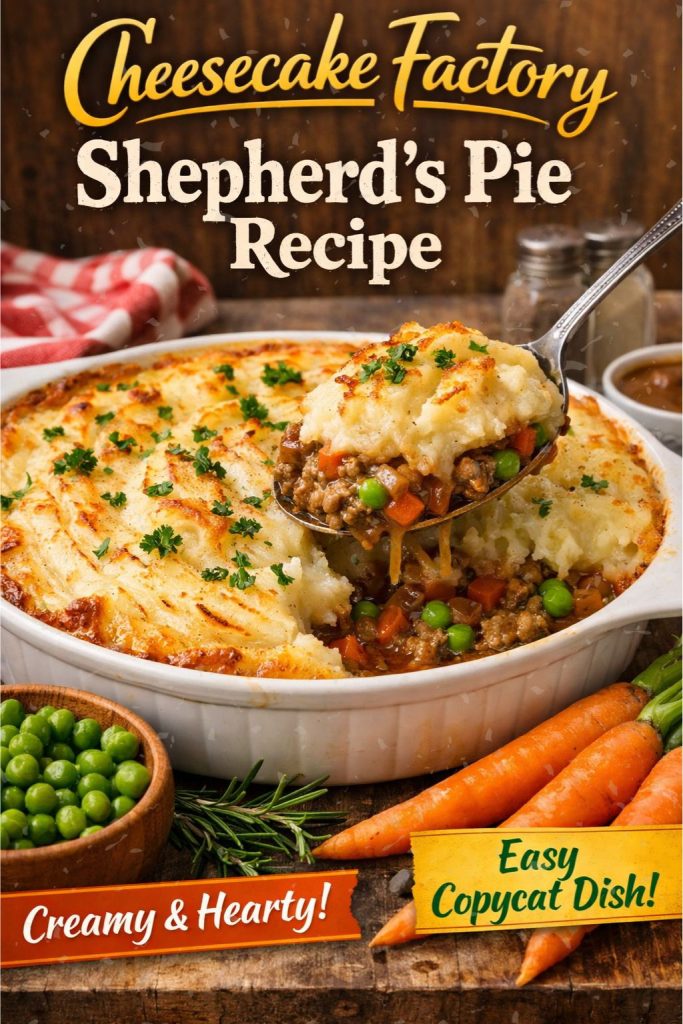
I describe it as a warm, layered casserole with a savory meat base and a creamy potato top. I often see ground beef used instead of lamb, which makes it familiar and easy to enjoy.
I expect the filling to include mixed vegetables, a savory broth, and seasonings that give each bite depth. The mashed potato layer browns in the oven for a smooth, golden finish that makes it a full, satisfying meal.
What the Dish Tastes Like
I find the pie balances savory and creamy notes. The ground beef brings a deep, meaty base while sautéed onions and carrots add gentle sweetness. Garlic gives a clear, aromatic bite and mushrooms contribute earthy, savory depth.
Salt and pepper sharpen the core flavors without hiding them. The mashed potato layer adds a smooth, buttery creaminess that softens the edges. Together, the components create a warm, comforting mix of rich and mellow tastes.
How My Version Stands Out
I focus on keeping classic flavors but add a few careful changes for more depth. I use lean, high-quality beef and boost the mashed potatoes with grated Parmesan for a richer taste. I keep the steps simple so the dish feels homemade, not fussy.
- Bold, fresh vegetables keep texture lively.
- Parmesan in mash adds savory creaminess.
- Simple technique lets each element taste distinct.
Ingredients You’ll Need
For the Potato Topping
- 2 ½ lb (1.1 kg) Yukon Gold potatoes, peeled and cut into 1-inch pieces
- 5 tbsp butter, cubed
- ½ cup (120 ml) whole milk
- ½ cup (45 g) freshly grated Parmesan cheese
- 2 tsp salt, split (use part in cooking water and part for seasoning)
- ½ tsp freshly ground black pepper
- 1 tbsp sour cream (optional for extra creaminess)
For the Meat and Vegetable Layer
- 4 tbsp butter
- 1 ½ lb (700 g) lean ground beef
- 2 medium yellow onions, diced
- 2 garlic cloves, minced
- 2 cups (200 g) sliced cremini or button mushrooms
- 1 ½ cups (about 210 g) peas, fresh or frozen
- 2 medium carrots, diced
- 1 medium zucchini, sliced
- 2 cups (500 ml) low-sodium beef broth
- 1 tbsp Worcestershire sauce
- 3 tbsp all-purpose flour (to thicken)
- 1 ½ tsp kosher salt
- ¾ tsp freshly ground black pepper
- 1 tsp tomato paste (optional for deeper flavor)
Step by Step Directions
Step 1: Mash and Season the Potatoes

I peel and chop Yukon Gold potatoes into even pieces, then place them in a pot and cover with cold water. I add a teaspoon of salt and bring the water to a boil, cooking the potatoes until a fork slides through easily (about 15–20 minutes). After draining, I return them to the warm pot, add butter, milk, and grated Parmesan, and mash until smooth. I finish by seasoning with salt, pepper, and a spoonful of sour cream if I want extra creaminess.
Step 2: Brown the Ground Meat and Onions
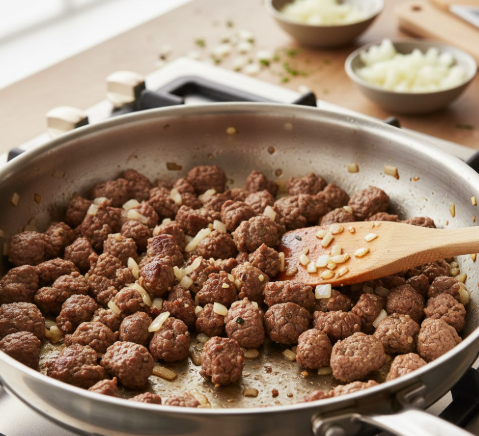
While the potatoes cook, I heat butter in a large skillet over medium heat. I add diced onions and cook until they turn translucent, about five minutes. Then I stir in minced garlic for a minute before adding the ground beef. I break the meat into small pieces and cook until no pink remains and the beef is well browned.
Step 3: Cook the Vegetables with the Beef
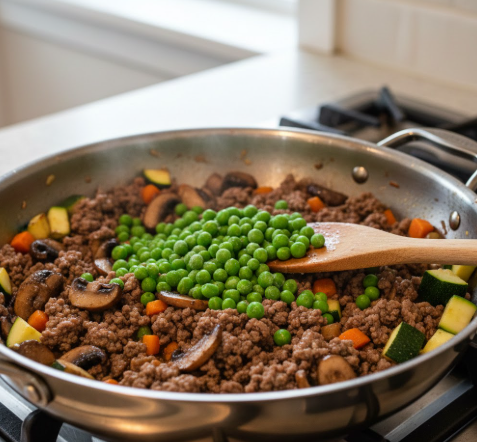
Once the meat is browned, I add sliced mushrooms, diced carrots, and chopped zucchini to the skillet. I sauté the vegetables with the meat for 5–7 minutes, stirring so they soften evenly. I stir in frozen peas last so they stay bright and don’t overcook.
Step 4: Thicken and Flavor the Filling
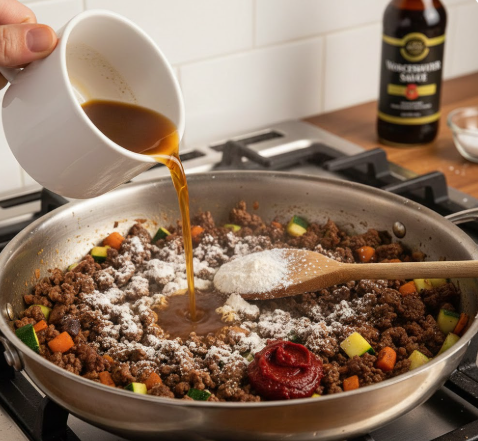
I sprinkle flour over the meat and vegetable mix and stir to coat, which helps thicken the filling. I slowly pour in beef broth and a splash of Worcestershire sauce, stirring until the mixture starts to thicken. I season with salt and pepper and add a spoonful of tomato paste if I want deeper flavor.
Step 5: Layer the Dish
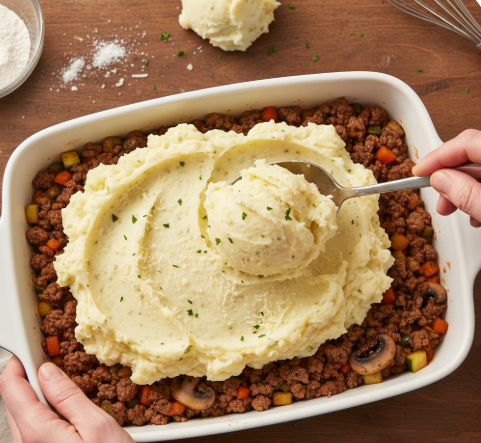
I preheat the oven to 400°F (200°C). I spread the meat and vegetable filling evenly in a baking dish, then spoon the mashed potatoes on top in large dollops. I smooth the potato layer or use a fork to make shallow ridges; those little peaks crisp nicely in the oven.
Step 6: Bake Until Golden
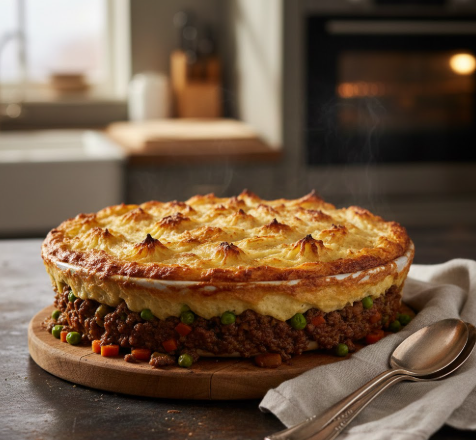
I bake the assembled pie for 25–30 minutes, until the top turns golden and the filling bubbles at the edges. For a more browned crust, I switch the oven to broil for 1–3 minutes while watching closely to avoid burning. I let it rest a few minutes before serving.
Tips for Perfecting My Cheesecake Factory–Style Shepherd’s Pie
- Pick good beef. I use lean ground beef so the filling stays rich without getting greasy. Grass-fed meat adds more flavor if available.
- Keep the cheese. I fold grated Parmesan into the mashed potatoes for creaminess and a savory bite.
- Swap veggies smartly. I choose seasonal vegetables—corn, bell peppers, or spinach work well—so the filling stays fresh and balanced.
- Boost the stock. When I have time, I make a simple beef broth at home. It gives the gravy more depth than most store-bought stocks.
- Rest before serving. I let the pie sit about 10 minutes so the layers set and it slices neatly.
How I Store This Cheesecake Factory Shepherd’s Pie
I cover the dish tightly with plastic wrap or foil and keep it in the fridge for up to 3 days.
For longer storage, I freeze individual portions: wrap them in plastic, put them in an airtight container or freezer bag, and label with the date.
To eat, I thaw pieces overnight in the fridge and reheat until hot all the way through.
Substitute Options for Ingredients
Pantry and Protein Swaps
I often change the main protein when I want a lighter pie. Ground turkey or chicken works well in place of ground beef. They cook the same way and soak up spices, though the flavor will be milder.
For a more traditional take, ground lamb fits, but if you want something leaner, turkey or chicken keeps calories and fat lower. For a vegetarian version, I use crumbled firm tofu or a plant-based ground meat substitute and increase the seasoning a bit to boost savory notes.
If beef broth isn’t available, I swap in vegetable broth for a meat-free dish. Low-sodium broth lets me control the salt. I sometimes add a splash of soy sauce or a teaspoon of miso paste to deepen the umami when using vegetable broth.
Potato and Topping Alternatives
I like to swap Yukon Gold potatoes for sweet potatoes when I want a different taste and more nutrients. Mash sweet potatoes the same way, but reduce added butter slightly because they mash creamy on their own. Sweet potatoes pair nicely with a touch of smoked paprika or a pinch of cinnamon for warmth.
If I need extra richness without dairy, I use olive oil or a plant-based butter instead of regular butter. For a lighter mash, I stir in unsweetened almond milk or low-fat milk rather than whole milk. To make the topping hold together better, I sometimes beat an egg and fold a tablespoon into the warm mash before spreading it.
When I want a crunchy, cheesy crust but have no Parmesan, I use grated cheddar or a blend of mozzarella and cheddar. Nutritional yeast also gives a cheesy flavor for a vegan option.
Vegetables and Texture Choices
I switch vegetables based on what’s on hand. Frozen mixed vegetables (peas, carrots, corn) are a convenient swap when fresh produce isn’t available. They thaw quickly in the filling and keep the dish colorful.
Cremini or button mushrooms can be replaced with diced eggplant for a similar meaty texture. I soak eggplant in a little salt and press out excess water to avoid a soggy filling. Zucchini can be replaced with diced bell pepper or chopped spinach; both add color and mild flavor. If I use bell pepper, I cook it slightly longer so it softens well.
If I want fewer carbs, I omit some vegetables and bulk up the filling with extra mushrooms and a handful of cooked lentils. Lentils add protein and a firm texture that mimics ground meat.
Thickening and Flavor Boosts
If I run out of all-purpose flour, I thicken the filling with cornstarch or arrowroot. I mix 1 tablespoon of cornstarch with 2 tablespoons of cold water, then stir it into the simmering filling. That gives a clear, glossy sauce.
Tomato paste adds depth, but canned crushed tomatoes or a spoonful of ketchup can stand in when needed. I add them sparingly to avoid changing the dish into a stew.
Worcestershire sauce brings umami; if I don’t have it, I use a combination of soy sauce and a dash of lemon juice or vinegar. A teaspoon of balsamic vinegar can also brighten the filling without overpowering it.
Dairy-Free and Allergy-Friendly Options
For dairy-free mashed potatoes, I use olive oil and unsweetened plant milk. I add a little nutritional yeast for a savory, cheesy note. Sour cream can be swapped for plain dairy-free yogurt to keep creaminess without milk products.
If someone has gluten intolerance, I replace the flour with a gluten-free flour blend or use cornstarch. I ensure the broth and Worcestershire-style substitutes are gluten-free brands.
Small Tweaks That Matter
Salt and pepper amounts can change based on substitutions. I taste the filling after adding broth and thickener, then adjust salt gradually. If the filling tastes flat after swaps, I add a pinch of sugar, a splash of vinegar, or a little extra Worcestershire or soy to balance flavors.
If I want more color and texture on top, I brush the mashed potato surface with a little melted butter or oil and sprinkle breadcrumbs mixed with grated cheese. For a crisp top without extra dairy, I use panko tossed in olive oil.
Quick Reference Table
| Original | Good Swap | Notes |
|---|---|---|
| Ground beef | Ground turkey/chicken, lamb, tofu, plant-based crumbles | Turkey/chicken = lighter; lamb = richer; tofu = vegetarian |
| Yukon Gold potatoes | Sweet potatoes, russet, cauliflower mash | Sweet potatoes = sweeter; cauliflower = low-carb |
| Cremini mushrooms | Diced eggplant, extra veggies, lentils | Eggplant = meaty texture; lentils = protein |
| Beef broth | Vegetable broth, low-sodium broth + soy/miso | Add umami if using vegetable broth |
| All-purpose flour | Cornstarch, arrowroot, gluten-free flour | Use slurry for cornstarch to avoid lumps |
| Parmesan | Cheddar, mozzarella, nutritional yeast | Nutritional yeast = vegan “cheese” flavor |
I test swaps by keeping cooking times and basic steps the same, then tasting and adjusting seasoning. Small changes make the recipe flexible without losing the dish’s character.
Frequently Asked Questions
- Can I prep this dish before serving?
I often make the meat mixture and mash the potatoes a day ahead. Keep them separate, then assemble and bake just before serving for best texture. - Is this safe for gluten-free diets?
The classic recipe usually includes wheat flour in the filling. I swap in a gluten-free flour blend or cornstarch to make it safe for those avoiding gluten. - Can I use extra cheese?
I like adding a layer of shredded cheese over the mashed potatoes before baking. It creates a golden, gooey crust. - How do I boost the flavor?
I add fresh herbs like thyme or rosemary to the meat for a brighter, more savory profile. A splash of Worcestershire sauce also deepens the taste. - What’s the best reheating method?
I reheat leftovers in a 350°F (175°C) oven covered with foil until hot. This keeps the pie moist and prevents the top from drying out.
Final Thoughts
I find this shepherd’s pie a simple way to bring people together. The rich meat layer and smooth mashed potato topping balance well, and you can tweak spices or vegetables to match your taste.
Try different cheeses, herbs, or vegetable mixes to make it yours. I like to add a sprinkle of Parmesan or a few dashes of Worcestershire sauce for extra depth.
Serve it warm for a cozy family meal or pack it for a casual gathering. Keep experimenting—cooking should feel fun and reflect your own flavor choices.
FAQs
- What makes my version of The Cheesecake Factory shepherd’s pie taste like the restaurant dish?
I focus on a rich beef base with a mix of vegetables and a well-seasoned gravy. I finish the pie with creamy mashed potatoes that have Parmesan folded in and a light broil to form a golden crust. Those steps mimic the textures and flavors people remember from the restaurant. - Is this recipe safe for people with food allergies?
I can adjust the recipe for common allergies. For dairy-free needs, I replace butter and milk in the mashed potatoes with plant-based alternatives. For gluten-free diets, I thicken the gravy with cornstarch instead of flour. Always check labels and warn guests about cross-contact risks. - How well does this recipe feed a family or a small group?
A standard pan serves about 6 to 8 people. I scale the ingredients up or down easily. If you need to feed more, I recommend using a larger baking dish or making multiple pans and baking them together. - How long does the pie keep and how should I store it?
I store leftovers in an airtight container in the fridge for up to 3 days. For longer storage, I freeze portions for up to 2 months. Thaw in the fridge overnight and reheat in the oven until hot throughout for best texture. - What maintenance does this dish require while cooking?
I brown the beef and cook the vegetables fully before assembling to prevent excess liquid. I taste and adjust seasoning at the sauce stage. When baking, I watch the potato top during the last few minutes to avoid burning while still achieving a golden crust. - How does this compare to other comfort-dish methods like a pure casserole or pot pie?
I find shepherd’s pie gives clearer layers and a contrast between creamy potato and savory filling. A casserole mixes components more, while a pot pie uses a pastry top that changes texture and richness. Each method works; shepherd’s pie highlights the mashed-potato topping. - Can I make vegetarian or lighter versions that still feel hearty?
I swap the beef for lentils, mushrooms, or meat substitutes and use vegetable stock for depth. To lighten the dish, I use low-fat milk in the potatoes and reduce added butter, or make cauliflower mash as a lower-carb topping.
Conclusion
I recommend the Cheesecake Factory–style shepherd’s pie as a dependable, flavorful choice for weeknight or weekend meals. It uses simple, fresh ingredients—ground beef, mixed vegetables, and creamy mashed potatoes—that come together into a hearty dish with wide appeal.
I find this version effective because it balances savory meat with soft, cheesy potato topping and bakes evenly for a golden finish. The recipe is safe and easy to scale, so you can make a small dish for two or a larger casserole for a crowd without changing core steps.
I also appreciate its low-waste nature: you can swap in leftover vegetables or use mashed-potato scraps, which helps reduce food waste. For a more eco-friendly approach, choose local produce and responsibly raised beef when possible.
I encourage you to pick a well-tested version of this recipe and stick with reliable techniques—season the filling well, mash the potatoes smoothly, and bake until the topping is set. Try it soon; I’m confident it will become a go-to comfort meal in your kitchen.