
Super Soft Bread: Mastering the Fluffiest Loaf Every Time
I love baking bread that feels light and soft with every bite. I developed a go-to method that makes tender, fluffy loaves at home using simple steps and everyday ingredients. This approach turned baking from a chore into something I look forward to.
I will share practical tips and clear steps so you can replicate the same soft texture in your own kitchen. Expect easy-to-follow guidance, sensible tweaks for home bakers, and small notes that improve the final loaf.

Key Takeaways
- The guide gives a clear, easy method for very soft bread.
- It uses simple ingredients and practical tips to improve texture.
- Small adjustments and notes help home bakers achieve reliable results.
Ingredients:
I use simple, everyday ingredients that work together to make a soft, tender loaf with good rise and flavor.
- Low‑fat warm milk (about 110°F / 43°C)
I heat the milk slightly so it helps the yeast wake up. Low‑fat milk adds moisture and a gentle creaminess while keeping the loaf light. - Unsalted butter, room temperature (soft but not melted)
I fold softened butter into the dough for richness and a pillowy crumb. Unsalted butter lets me control the salt level. - Large egg
I add one beaten egg to improve texture and color. The egg gives the crumb a richer mouthfeel and helps the crust brown evenly. - Granulated sugar
I use a small amount of sugar to feed the yeast and add a touch of sweetness. This boosts fermentation and helps the bread rise more easily. - Fine salt
I include salt to balance flavor and strengthen gluten. Salt makes the taste rounder and helps the dough hold its shape. - Unbleached bread flour
I choose unbleached bread flour for its higher protein content. The stronger gluten it develops traps gas from the yeast, giving a light, elastic crumb. - Water (lukewarm if needed to adjust dough temperature)
I use water to hydrate the flour and reach the right dough consistency. A little water helps form gluten and makes the dough easier to knead. - Active dry yeast or instant yeast
I use whichever yeast is on hand. Both leaven the dough by producing carbon dioxide, which creates the air pockets that make the bread soft and fluffy.
Typical quantities for one standard loaf (adjust as needed):
| Ingredient | Amount |
|---|---|
| Low‑fat warm milk | 1 cup (240 ml) |
| Unsalted butter | 2–3 tablespoons |
| Large egg | 1 |
| Granulated sugar | 2 tablespoons |
| Fine salt | 1 teaspoon |
| Unbleached bread flour | 3 to 3 1/4 cups (360–390 g) |
| Water | 2–4 tablespoons (only if dough feels dry) |
| Active dry or instant yeast | 2 1/4 teaspoons (1 packet) |
Tips for best results:
- Warm the milk to about 100–115°F. Too hot will kill the yeast; too cold slows rising.
- Keep butter soft, not melted, so it blends evenly into the dough.
- If your flour measures differently, adjust water slowly until the dough is slightly tacky but not sticky.
- Use the yeast type your recipe specifies, or reduce proofing time slightly when using instant yeast.
I find these ingredients and amounts deliver a tender crumb, steady rise, and pleasant flavor without extra fuss. Adjust small details like sugar or butter to match your taste, but keep the core ratios to preserve the soft texture.
How to Make Super Soft Bread:
Step 1: Create the Tangzhong
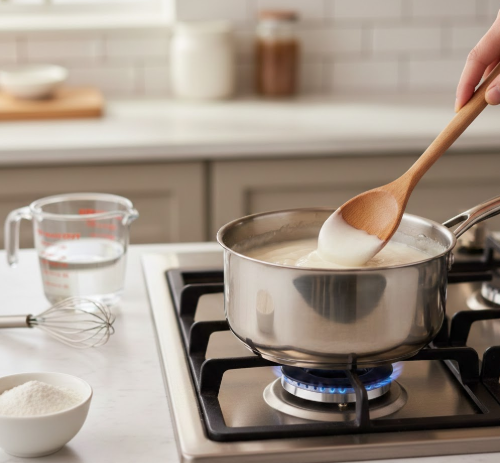
I mix 3 tablespoons of bread flour with 1/2 cup water in a small pot until smooth.
I heat the mixture over medium-low, stirring often, until it becomes a thick paste.
I remove it from heat and let the tangzhong cool completely before using.
Step 2: Wake the Yeast
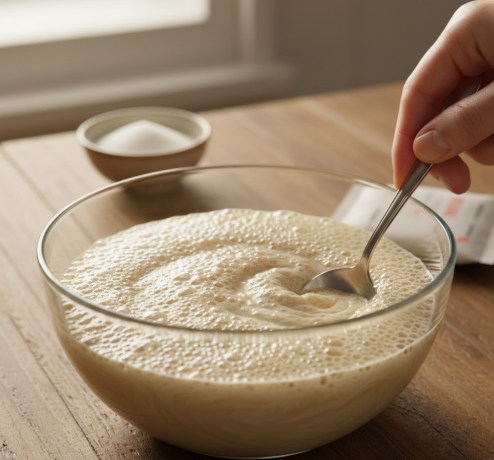
I warm 1/2 cup low-fat milk to a lukewarm temperature.
I stir in 3 tablespoons sugar and 1 1/4 teaspoons active dry or instant yeast.
I let the mix sit for about 5 minutes so the yeast becomes frothy and active.
Step 3: Combine Ingredients for the Dough

I put 2 1/2 cups unbleached bread flour into a large bowl.
I add the cooled tangzhong, the yeast mixture, 1 egg, and 1 teaspoon salt.
I mix until a sticky dough forms and cover it with a damp towel to rest for 30 minutes.
Step 4: Knead to Develop Gluten

I turn the rested dough onto a clean surface and knead for 15–20 minutes until smooth and elastic.
I press 3 tablespoons unsalted butter into the center, fold the dough over it, and keep kneading.
I continue until the butter fully blends in and the dough feels soft and uniform.
Step 5: First Rise
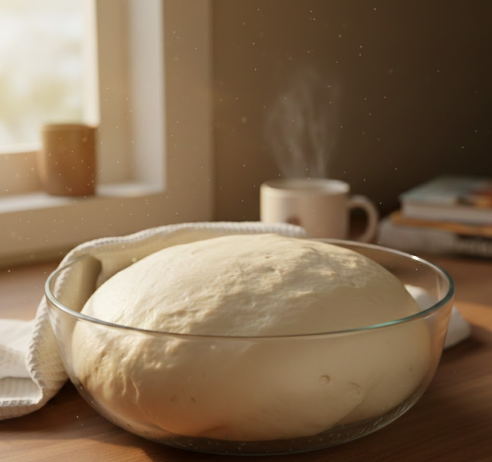
I place the kneaded dough in a lightly greased bowl and cover it.
I set it in a warm spot and let it rise about 1 hour, until it roughly doubles in size.
Step 6: Shape and Final Rise
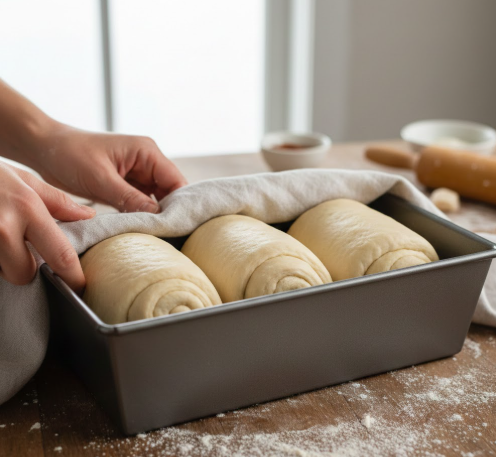
I divide the risen dough into three equal pieces and roll each into a long rectangle about 4 inches wide.
I roll each rectangle tightly from one short end into a log.
I set the three logs side by side in a greased 9×5-inch loaf pan with the spiral sides facing outward, then let them proof at room temperature for 40 minutes.
Step 7: Oven Prep and Baking
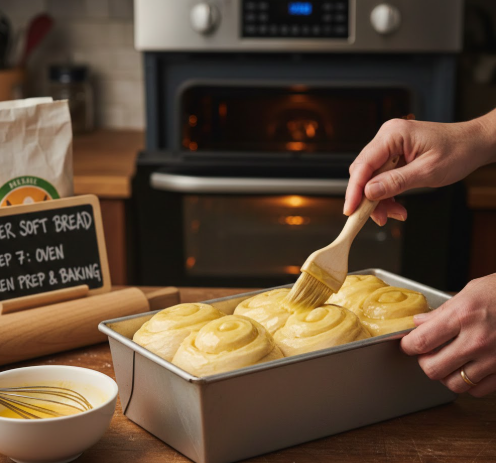
I preheat the oven to 350°F (175°C).
I whisk 1 egg with a splash of milk to make an egg wash and brush it over the loaves after the final proof.
I bake the bread for 30–35 minutes, until the top turns golden brown.
Step 8: Cool and Slice
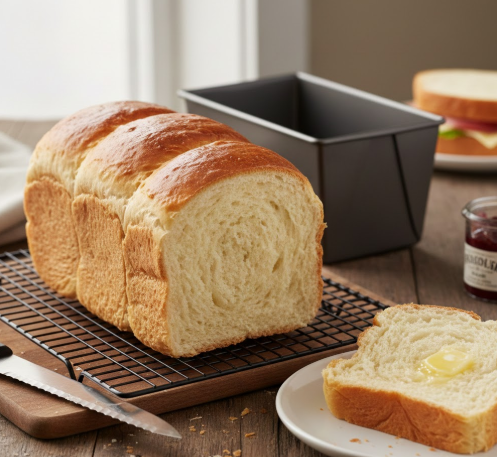
I let the baked loaf cool in the pan until it’s safe to handle.
I transfer the bread to a wire rack and let it cool completely before slicing.
I serve the bread plain, with butter, or as sandwich slices once cooled.
Notes on the Recipe
I prefer bread flour for a chewier, stronger crumb. I add a bit of sugar to lift flavor and help the crust brown. I use salt sparingly to boost taste without slowing yeast too much. I rely on yeast to give the loaf rise and pockets of air. I fold in milk, egg, and butter to make the bread tender, rich, and soft.
Recipe Variations:
Ingredients I Use for Variations
- Basic dough base (adjust amounts as needed):
- 1/2 cup warm low‑fat milk
- 3 tbsp unsalted butter, room temperature
- 1 egg
- 3 tbsp sugar
- 1 tsp salt
- 2 1/2 cups bread flour
- 3 tbsp extra bread flour (for tangzhong)
- 3/4 cup water (for tangzhong)
- 1 1/4 tsp active dry or instant yeast
- Egg wash:
- 1 egg + splash of milk
- Honey whole‑wheat swap:
- Replace half the bread flour with whole wheat pastry flour.
- Swap 1–2 tbsp sugar for the same amount of honey (reduce other liquids slightly if dough seems wet).
- Cheesy garlic add‑ins:
- 1 to 1 1/2 cups grated cheese (cheddar, mozzarella, or a mix).
- 1–2 tsp garlic powder or 2 cloves minced garlic, lightly sautéed.
- Optional: 1 tbsp chopped fresh herbs (parsley, chives).
- Cinnamon‑raisin mix:
- 2–3 tbsp cinnamon sugar (blend cinnamon + sugar).
- 3/4 to 1 cup raisins, soaked in warm water 10 minutes then drained.
- Optional: 1–2 tbsp melted butter to brush the dough before adding the cinnamon swirl.
How I Change the Steps
- Make the tangzhong as usual:
- Whisk 3 tbsp flour with 1/2 cup water, cook over medium‑low until thick, then cool.
- Activate yeast:
- Warm milk + sugar + yeast, rest 5 minutes until bubbly.
- Mix dough:
- Combine flour, yeast mix, egg, salt, and cooled tangzhong into a sticky dough.
- Let rest 30 minutes, then knead 15–20 minutes until smooth and elastic.
- Work butter in during kneading until fully incorporated.
- Proof and shape:
- First proof: 1 hour until doubled.
- Divide and shape into three logs for a 9×5 pan.
- For mix‑ins:
- Honey whole‑wheat: mix honey into the wet ingredients. Use whole wheat pastry flour in place of half the bread flour before mixing.
- Cheesy garlic: fold grated cheese and garlic into the dough near the end of kneading. If using very moist add‑ins, reduce added water by a tablespoon or two.
- Cinnamon‑raisin: roll each piece flat, brush lightly with butter, sprinkle cinnamon sugar and raisins, then roll tightly. Place seam side down in pan.
- Second proof in the pan: about 40 minutes.
- Bake:
- Preheat to 350°F (175°C). Brush with egg wash and bake 30–35 minutes until golden.
- Cool:
- Let cool in pan until safe to handle, then move to wire rack to finish cooling before slicing.
Practical Notes I Rely On
- Flour swaps: Replacing part of the bread flour with whole wheat makes the loaf denser. Use whole wheat pastry flour for a softer result. If you use regular whole wheat, try replacing only half at first.
- Sweeteners: Honey adds moisture and flavor. Reduce other liquids slightly if the dough becomes too slack.
- Cheese and garlic: Add cheese during kneading so it distributes evenly. For fresh garlic, cook it briefly to avoid raw harshness.
- Cinnamon swirls: Roll dough flat and spread the filling evenly. Roll tightly to keep the swirl neat and to avoid large gaps.
- Hydration and kneading: Extras like cheese, honey, or raisins change dough feel. Add or hold back small amounts of water as needed and knead until the dough is smooth and slightly tacky.
- Proofing times: These depend on room temperature. In a cooler room, give more time; in a warmer space, watch closely to avoid overproofing.
- Egg wash and topping: Egg wash gives a shiny, golden crust. Sprinkle extra cheese on top for the cheesy version before baking.
- Storage: Cool completely before wrapping. Keep at room temperature up to 2 days or freeze slices for longer storage.
- Texture goal: Tangzhong helps keep the crumb tender and moist. Maintain its ratio and cooking step to get the soft, pillowy texture I aim for.
Frequently Asked Questions:
1. Can I swap instant yeast for active dry yeast?
Yes. I often use instant yeast instead of active dry. Instant yeast works faster, so I reduce the first rise time a bit and watch the dough closely.
2. Why is two rises recommended?
I let the dough rise twice because it gives a better crumb and more flavor. The first rise develops the gluten and gas; the second shapes the loaf and refines the texture.
3. What does an egg wash do?
An egg wash makes the crust glossy and helps seeds or toppings stick. I brush it lightly to get a deep golden color without burning.
4. Can I mix nuts or seeds into the dough?
Yes. I add chopped nuts or seeds for crunch and flavor. I fold them in during the final kneading so they spread evenly.
5. How long will the loaf stay good?
I store bread in an airtight bag at room temperature for up to three days. For longer storage, I slice and freeze it; it keeps well for a month or two in the freezer.
6. Is hand kneading okay instead of a mixer?
Absolutely. I knead by hand when I have time. It takes longer but gives me good control over dough texture.
Conclusion:
I’ve found that soft, pillowy bread comes from consistent technique and a few smart choices. Use the right flour, hydrate the dough well, and don’t rush proofing; those steps reward you with a tender crumb and lasting freshness. Small boosts — like a milk-based starter or a brief tangzhong roux — help retain moisture without changing the flavor.
Keep your process simple: weigh ingredients, knead until smooth, and give the dough time to rise in a warm, draft-free spot. Bake until the loaf is evenly golden and springs back when touched. Cool properly so slices set without becoming gummy.
Tips I follow:
- Measure by weight for repeatable results.
- Use gentle, even heat during baking.
- Store wrapped at room temperature for up to two days, or freeze slices for longer.
These habits make homemade soft bread reliable and enjoyable to share.
FAQs
Q1: How do I make my homemade bread super soft?
I recommend using enriched ingredients like milk, butter, or eggs and keeping the dough slightly wetter than usual. Gentle kneading and proper proofing times help build a tender crumb. A short, light bake and brushing the loaf with butter after baking also keeps the crust soft.
Q2: Can I use all-purpose flour instead of bread flour?
Yes, you can. All-purpose flour works, but bread flour gives more structure and a chewier, loftier crumb. If I use all-purpose, I often add a bit more water or a tablespoon of vital wheat gluten to mimic bread flour’s texture.
Q3: Is the tangzhong (water roux) method necessary for soft bread?
No, it’s not required, but I find tangzhong very helpful for long-lasting softness. It gelatinizes some starch, which keeps the crumb moist and extends shelf life. You can still get soft bread without it by using enrichments and proper hydration.
Q4: How can I keep bread soft for several days?
I cool the loaf completely, wrap it in plastic or a clean cloth, and store it in a bread box or at room temperature. Freezing slices in airtight bags works well for longer storage. Avoid refrigerating, which dries bread faster.
Q5: Are there safety concerns with enriched doughs (milk, eggs) left to rise?
I watch fermentation time and room temperature. Enriched doughs can ferment faster, so I proof them in a spot under 80°F (27°C) and don’t leave them out overnight unless refrigerated. Always bake dough that contains eggs or milk promptly after proofing to avoid spoilage.
Q6: How does soft homemade bread compare to store-bought sliced bread?
Homemade bread usually has fewer preservatives and a fresher taste. I can control ingredients and texture, so my loaf can be softer or denser than store-bought options. Store bread may stay soft longer due to additives, but I can match softness with the right technique and storage.
Q7: What basic maintenance or tools help me bake soft bread reliably?
I keep a reliable scale, an oven thermometer, and a dough scraper. I also maintain consistent ingredients (same flour brand) and note proofing times and temperatures in a notebook. Small changes in water or flour weight affect softness, so I measure carefully.
Conclusion
I recommend making super soft bread at home because it delivers reliable, tender results with simple ingredients and basic tools. I find methods like a milk-enriched dough or a roux-based starter (Tangzhong) raise moisture, improve shelf life, and create the pillowy crumb that defines this bread.
- Effectiveness: I get consistent fluffiness by using proper kneading, correct hydration, and gentle shaping.
- Safety: I follow standard food-safety steps—clean surfaces, proper yeast handling, and baking to the right internal temperature—to keep the loaf safe to eat.
- Eco-friendliness: Baking at home cuts packaging waste and lets me use local flour and minimal preservatives.
- Suitability: This bread works well for sandwiches, toast, and snacks, and fits diets that allow dairy and wheat; I can adapt recipes for dietary needs like reduced sugar or alternative flours.
Choose a tested recipe and practice the technique a few times for best long-term results. I encourage you to try a reliable method, tweak it to your taste, and bake regularly to master soft, bakery-style loaves at home.