
Oven Maintenance Guide: Expert Tips for Efficiency and Longevity
Industrial drying ovens are the silent workhorses of many factories. They dry plastics, cure coatings, and prepare materials for further processing. When maintained well, they perform like a steady heartbeat in production. When neglected, they cause uneven drying, wasted energy, and sudden shutdowns.
Proper oven maintenance is not just about cleaning dust. It protects product quality, improves safety, and saves energy costs. A well-maintained industrial oven works like a well-tuned engine. Every part moves smoothly, heat flows evenly, and production stays on schedule.
This guide explains practical maintenance tips for industrial drying ovens. Each step focuses on improving performance, reliability, and equipment lifespan.
Part 1: Cleaning and Temperature Control for Reliable Operation
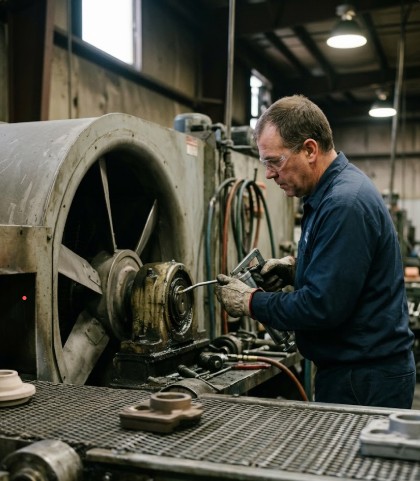
Why Regular Cleaning Keeps Ovens Efficient
Inside an industrial oven, heat must travel freely. Dust, plastic residue, and dirt can block airflow and slow heat transfer. Over time, these small layers act like insulation in the wrong place.
When heat cannot move properly, drying becomes uneven. Products may take longer to process, and energy use rises. Regular cleaning keeps airflow clear and heat distribution balanced.
Cleaning also protects product quality. Contaminants inside the oven may attach to materials during drying. A clean oven creates a stable and controlled environment for manufacturing.
Cleaning the Oven Interior the Right Way
The interior chamber should stay free of debris. Wipe oven walls, racks, and trays using soft cloths and non-abrasive cleaning agents. Gentle cleaning protects protective coatings inside the oven.
Dust buildup often hides in corners and air channels. These areas affect airflow the most. Regular inspection prevents hidden blockages that disrupt heat circulation.
A weekly cleaning routine works well for most industrial drying ovens. Frequent maintenance prevents buildup before it becomes a serious problem.
Maintaining Door Seals and Gaskets
Oven door seals play a small but critical role. They trap heat inside the chamber and prevent energy loss. If seals become damaged or dirty, heat escapes quickly.
Check gaskets for cracks, dust, or misalignment. Even a small gap can cause heat leaks and longer drying cycles. Cleaning and adjusting seals helps maintain stable internal temperatures.
Good seals also protect operator safety. They prevent hot air from escaping toward workers near the oven door.
Air Filters and Ventilation System Care
Ventilation systems guide airflow inside the oven. Air filters remove dust and prevent contamination from circulating through the chamber.
Blocked filters restrict airflow. This causes uneven temperatures and may lead to overheating of internal components. Regular inspection keeps the ventilation system healthy.
Most facilities replace or clean filters monthly. Fresh filters allow air to move freely, helping the oven maintain uniform heat.
Burner and Heating Element Inspection
Heating elements and burners generate the energy that drives the drying process. Over time, carbon deposits or dust may build on these parts.
This buildup weakens heat output and reduces efficiency. Cleaning heating elements restores their ability to deliver consistent warmth.
Inspect burners and elements every few months. Early detection of wear or buildup prevents performance loss and sudden breakdowns.
Importance of Accurate Temperature Control
Temperature accuracy is the heart of every drying process. Even a small change in heat levels can affect product quality. Materials may warp, shrink, or remain partially dried.
A reliable temperature control system ensures consistent results. Sensors, thermostats, and controllers work together to maintain stable heat conditions.
Regular inspection of these components prevents fluctuations and keeps production predictable.
Checking Thermocouples and Sensors
Thermocouples and temperature sensors measure the oven’s internal heat. If these sensors drift from their true readings, the oven may operate at the wrong temperature.
Use an external probe to test sensor accuracy. Compare the readings with the oven’s control panel values.
Sensors that show large differences should be replaced. Accurate sensors protect both product quality and energy efficiency.
Control Panel and Wiring Inspection
The control panel acts like the brain of the oven. It manages heating cycles, airflow, and safety systems. Loose wiring or damaged connections can confuse the system.
Inspect wiring connections regularly. Tight and secure wiring prevents temperature fluctuations and unexpected shutdowns.
Clean control panels carefully to avoid dust buildup. A well-maintained panel ensures stable oven operation.
Calibrating Temperature Controllers
Many industrial ovens use PID controllers to manage temperature precisely. These controllers adjust heating levels based on feedback from sensors.
Over time, calibration may drift slightly. Recalibrating the controller restores accurate temperature control.
Calibration should follow the manufacturer’s guidelines. Correct settings maintain stable heat and consistent drying performance.
Monitoring Heat Distribution
Heat should spread evenly throughout the oven chamber. Cold spots or hot zones may appear if airflow becomes uneven.
Thermal imaging or temperature mapping tools can reveal these hidden patterns. Identifying uneven zones allows technicians to adjust airflow or heating systems.
Balanced heat distribution improves product consistency and reduces material waste.
Part 2: Mechanical Maintenance and Safety Protection
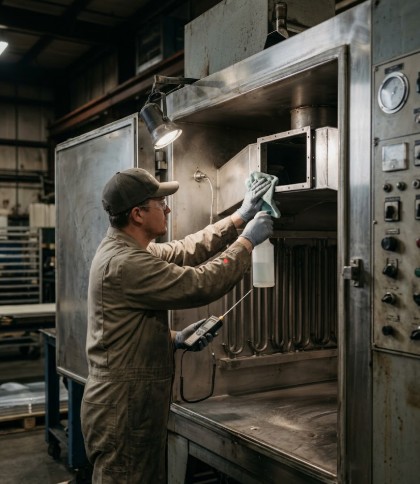
Moving Parts Need Regular Care
Industrial ovens often include fans, conveyor belts, dampers, and motors. These moving parts keep air circulating and materials moving through the drying process.
Without maintenance, friction increases. Bearings may wear down and motors may overheat. Regular care ensures smooth operation.
Think of lubrication as oil for the oven’s joints. It reduces stress and extends equipment life.
Lubricating Fan Bearings
Circulation fans push heated air through the oven chamber. Their bearings rotate continuously during operation.
Dry bearings create friction and noise. This friction increases energy use and can damage motors.
Apply heat-resistant lubricants at scheduled intervals. Smooth bearings allow fans to move air efficiently and quietly.
Conveyor Belt and Drive System Checks
Many industrial drying ovens move materials on conveyor belts. These systems must remain aligned and properly tensioned.
Misaligned belts may cause uneven movement or jams. Inspect belts and drive chains regularly for signs of wear.
Tightening loose components prevents slippage and ensures stable production flow.
Testing Exhaust and Circulation Fans
Fans control airflow inside the oven and remove excess moisture. If a fan slows down or vibrates unusually, airflow may become unstable.
Listen for unusual sounds during operation. Rattling or grinding often signals worn bearings or loose parts.
Early repairs prevent airflow problems that could damage products or slow drying cycles.
Checking Airflow Dampers
Airflow dampers regulate the amount of air moving through the oven. They balance fresh air intake with heated air circulation.
If dampers become stuck or dirty, airflow control becomes inaccurate. This may lead to overheating or poor drying results.
Clean and test dampers regularly. Smooth movement ensures precise airflow control.
Importance of Oven Safety Systems
Industrial drying ovens operate at high temperatures. Without proper safety systems, overheating or gas leaks could create serious hazards.
Safety systems act like a protective shield. They monitor conditions and stop the oven when something goes wrong.
Routine inspection of these systems protects workers and equipment.
Overheat Protection Systems
Overheat protection devices shut down the oven if temperatures rise beyond safe limits. These devices prevent fires and equipment damage.
Test temperature limit switches regularly. Make sure they respond correctly to high heat levels.
Reliable protection systems create a safer workplace and prevent costly accidents.
Emergency Shut-Off Systems
Emergency shut-off switches allow operators to stop the oven instantly during a malfunction. These controls must remain accessible and functional.
Test emergency shut-off systems during maintenance inspections. Confirm that they cut power immediately.
Quick response capability is essential in high-temperature industrial environments.
Gas Line Inspection for Gas-Powered Ovens
Some industrial ovens rely on gas burners for heating. Gas lines must remain tightly sealed and properly connected.
Check connections for leaks using approved inspection methods. Even small leaks can pose safety risks.
Regular gas line inspection protects both workers and production equipment.
Fire Protection and Suppression Systems
Fire safety equipment should always be ready for action. Fire extinguishers and suppression systems protect facilities from unexpected incidents.
Inspect fire safety equipment regularly. Ensure extinguishers remain charged and accessible.
Prepared safety systems provide peace of mind and protect valuable machinery.
Part 3: Energy Efficiency and Preventive Maintenance Strategy
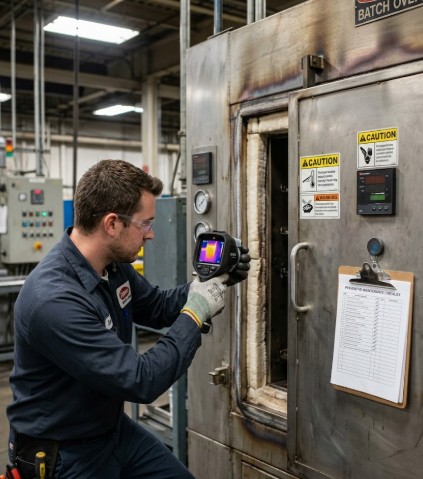
Why Energy Efficiency Matters
Industrial ovens consume significant energy during operation. Poor maintenance increases energy demand and raises operating costs.
Efficient ovens transfer heat quickly and evenly. This shortens drying cycles and reduces electricity use.
Energy efficiency benefits both business profits and environmental sustainability.
Preventing Heat Loss Through Insulation
Heat escaping from the oven wastes energy and reduces performance. Insulation inside the oven walls keeps heat trapped where it belongs.
Inspect insulation materials for damage or wear. Cracks or gaps allow heat to escape.
Maintaining insulation helps ovens reach target temperatures faster and maintain stable drying conditions.
Upgrading to Efficient Heating Technology
Modern heating elements often deliver higher efficiency than older designs. Upgraded systems convert energy into heat more effectively.
Improved heating technology also responds faster to temperature adjustments. This keeps the drying process stable.
Facilities that upgrade heating components often notice lower energy bills and better process control.
Optimizing Ventilation Settings
Ventilation removes moisture and fumes from the oven chamber. However, too much ventilation wastes heat.
Adjust exhaust fan speeds according to drying requirements. Balanced ventilation removes moisture without losing excess heat.
Smart airflow control improves efficiency while maintaining safe operating conditions.
Monitoring Energy Use Regularly
Energy monitoring reveals how efficiently the oven operates. Sudden increases in power consumption may indicate maintenance problems.
Track energy usage patterns during production cycles. Changes in these patterns often signal airflow issues or heating inefficiencies.
Early detection helps technicians correct problems before costs rise.
Creating a Preventive Maintenance Plan
Preventive maintenance is the backbone of reliable oven performance. Instead of waiting for failures, technicians perform regular inspections and adjustments.
This strategy prevents minor issues from turning into major breakdowns. Production remains steady and predictable.
A simple maintenance schedule keeps all tasks organized and consistent.
Daily Maintenance Tasks
Daily inspections help detect early warning signs. Operators should check control panels for error messages and verify fan operation.
Airflow should feel strong and stable. Unusual noise or vibration may indicate mechanical issues.
Short daily checks prevent unexpected disruptions.
Weekly and Monthly Maintenance
Weekly maintenance focuses on cleaning and seal inspection. Keeping the oven interior clean supports stable airflow and temperature control.
Monthly checks should include air filters, heating elements, and safety systems.
Regular inspection ensures all components remain in good condition.
Quarterly Mechanical Maintenance
Mechanical systems benefit from deeper inspection every few months. Lubricate moving parts and inspect motors, belts, and fans.
Quarterly maintenance also includes calibration of temperature controls.
These actions restore precision and prevent mechanical wear.
Annual System Evaluation
Once a year, perform a complete oven inspection. Evaluate insulation, electrical systems, and airflow performance.
Technicians may also conduct temperature mapping and energy efficiency analysis.
Annual assessments help facilities plan upgrades and extend equipment lifespan.
Choosing Reliable Industrial Oven Technology
The quality of an oven also affects maintenance needs. Well-engineered systems provide stable airflow, precise heating, and durable components.
Manufacturers with strong industry experience design ovens that require less downtime and fewer repairs.
Reliable equipment makes maintenance easier and production more efficient.
Supporting Long-Term Production Success
Industrial drying ovens are vital tools in modern manufacturing. When cared for properly, they operate reliably for many years.
Routine cleaning, accurate temperature control, and mechanical maintenance protect the oven’s performance.
With a proactive maintenance strategy, businesses can reduce downtime, improve product quality, and extend the life of their industrial drying equipment.
FAQs
Q1: How well does an oven cook food evenly?
I expect most modern ovens to heat fairly evenly, but results vary by model. Convection ovens use a fan to circulate hot air, which usually gives more uniform browning and shorter cook times. Traditional radiant ovens can have hot spots, so I watch food and rotate pans when needed.
Q2: Is it safe to use the self-clean feature?
I find self-cleaning convenient but take precautions. I remove racks and anything not rated for high heat, crack a window or run ventilation, and keep pets and children away. If I have concerns about smoke or fumes, I use manual cleaning methods instead.
Q3: How much kitchen space does an oven cover when cooking?
An oven’s “coverage” depends on its internal size, not floor space. I check the cubic-foot capacity and number of racks to know how many dishes I can cook at once. Convection ovens let me cook multiple trays more reliably than single-fan or no-fan models.
Q4: What routine maintenance keeps an oven working well?
I wipe spills promptly, clean the interior monthly or as needed, and inspect door seals and hinges. I avoid abrasive cleaners on surfaces and follow the manufacturer’s guide for deep cleaning and part replacement. Regular checks help prevent uneven heating and extend the oven’s life.
Q5: How does an oven compare to other cooking methods for efficiency?
I find ovens efficient for roasting, baking, and large meals because they use steady, enclosed heat. Microwaves heat faster for small items and use less energy for short tasks. Air fryers or convection ovens often use less energy than traditional ovens for small batches due to shorter cook times.
Q6: Are there safety tips I must follow when using an oven?
I always use oven mitts, keep the area clear of flammable items, and never leave high-heat cooking unattended. I check that vents are not blocked and ensure proper installation to avoid gas leaks or electrical hazards. If I smell gas, I turn off the appliance and call a professional.
Q7: When should I call a professional for oven problems?
I call a technician if the oven won’t heat, shows electrical issues, emits unusual odors that cleaning won’t fix, or if controls stop responding. For gas ovens, I seek help immediately for leaks or pilot light issues. Routine repairs and safety checks are best handled by qualified service people.